 Skip to content
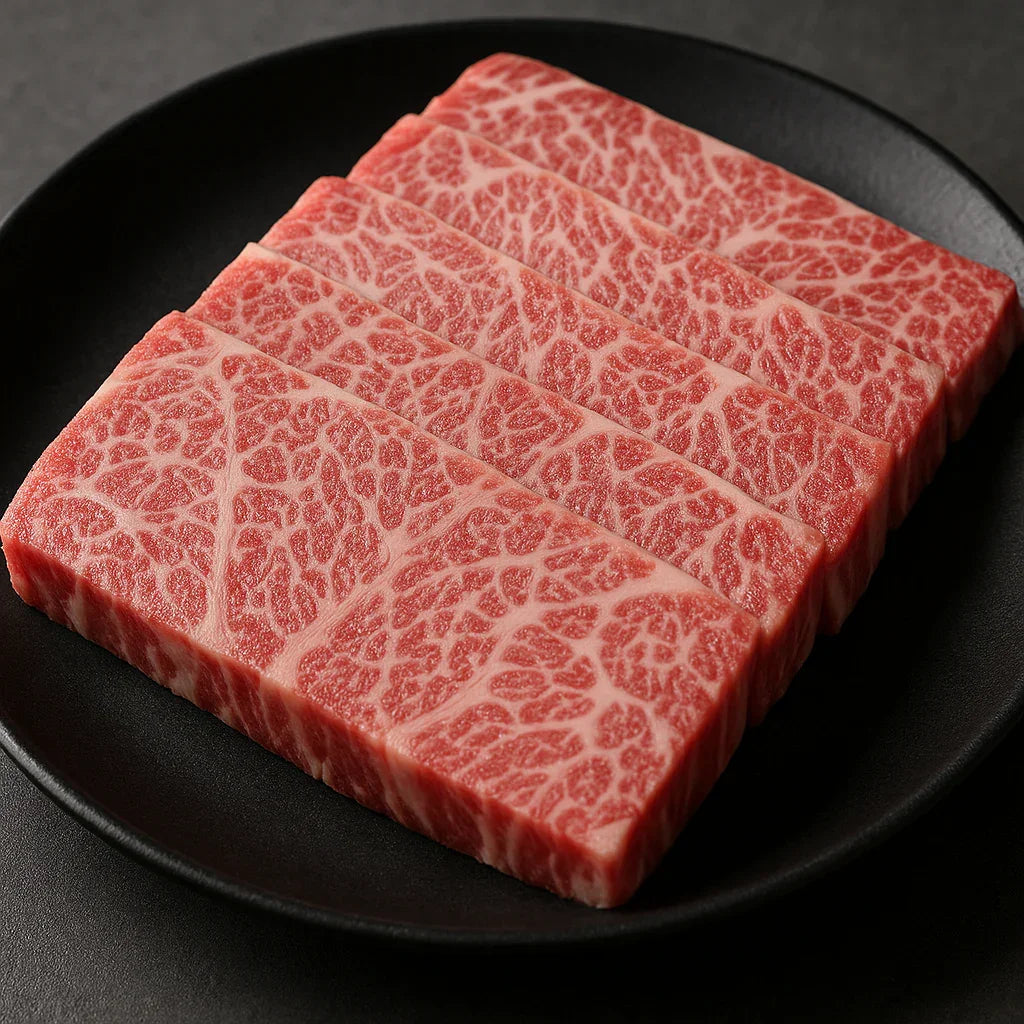


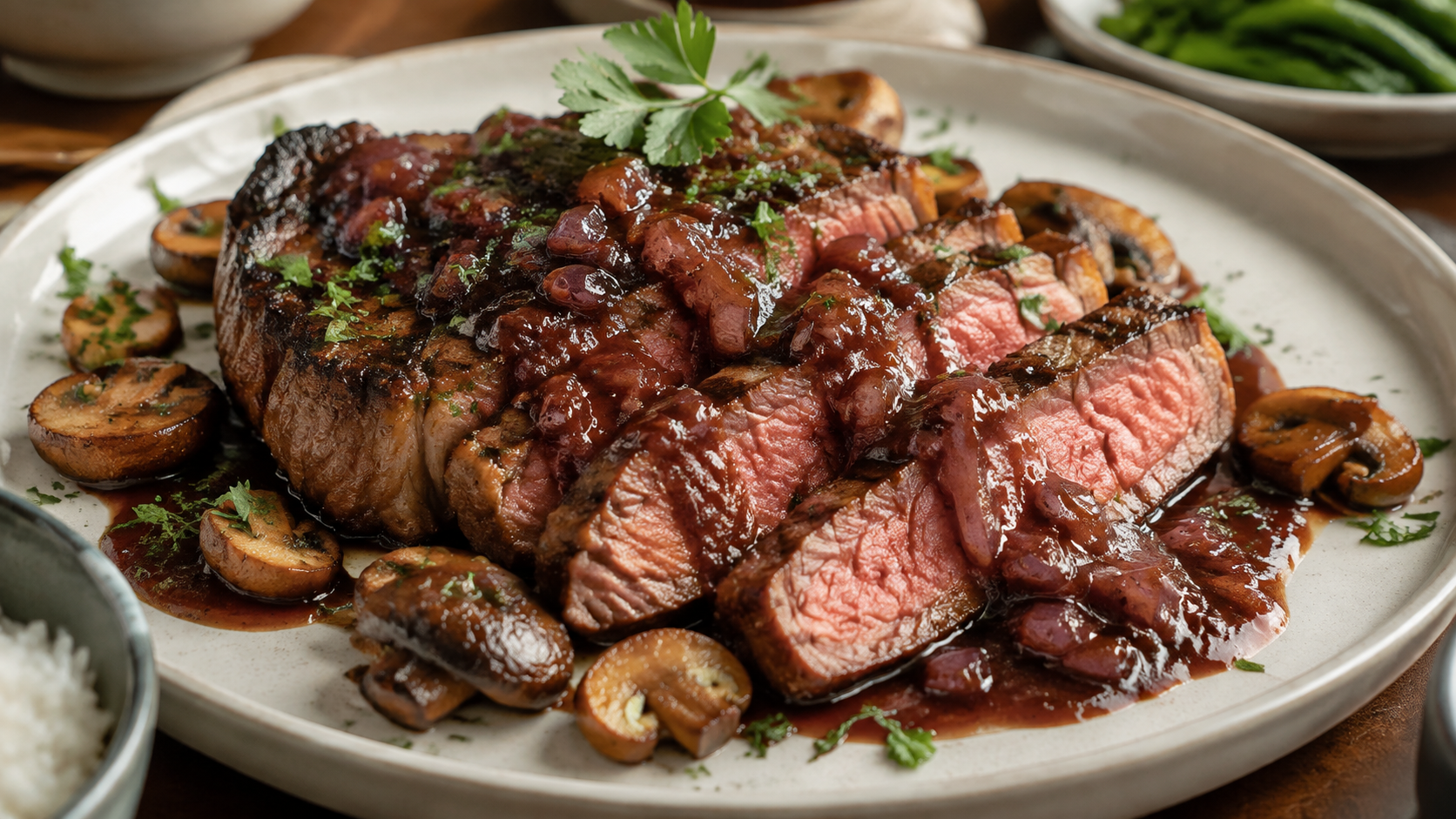
Pan-seared Ribeye with Red Wine and Shallots
Spanish cuisine · 30 minutes · Serves 2
Red Wine and Shallot Pan-Seared Beef Eye
US lean beef eye already has a distinct beefy aroma. Rather than layering complex sauces, this recipe draws on common beef pairings from Galicia, Spain: searing the steak over high heat and reducing shallots and red wine. Official Galician culinary data for beef fillet recipes features shallots, red wine, olive oil, and herbs with beef, seared over high heat, with the red wine reduced first to concentrate the flavour without overpowering the meat. This approach suits thick-cut beef eye well: a crispy exterior, a firm texture inside, and the acidity of the red wine preventing the lean steak from tasting too dry. The home version slightly reduces the olive oil and red wine quantities and substitutes wild mushrooms with mushrooms more readily available in Hong Kong supermarkets, making it easy to serve with rice or roasted potatoes.
Quick Answer
This beef eye steak can be prepared as a Galician-style red wine and shallot steak: thoroughly defrost and pat dry the steak, sear until the surface is crispy, then slowly reduce shallots and red wine into a rich sauce. If the product is still frozen or the packaging indicates it is not defrosted, the packaging's defrosting and heating instructions must take priority; the centre of the raw steak should be confirmed with a food thermometer to reach at least 63°C, followed by a rest of at least 3 minutes off the heat.
Ingredients
- Beef eye steak approx. 340g (12oz, thick-cut)
- Shallots 100g, peeled and sliced thinly
- Red wine 120ml
- Extra virgin olive oil 1½ tablespoons
- Mushrooms 150g, sliced thickly
- Fresh flat-leaf parsley 1 tablespoon, chopped
- Black pepper ½ teaspoon
- Salt approx. ½ teaspoon, adjust according to steak thickness
- Water or unsalted beef stock 50ml
Method
-
1. Defrost and pat dry the steak
If the steak is frozen, defrost according to the packaging instructions; if no specific instructions are given, it is recommended to defrost slowly in the refrigerator. Once fully defrosted, thoroughly pat the surface dry with kitchen paper. Do not leave raw beef at room temperature for extended periods to defrost.
-
2. Season first and prepare ingredients
Sprinkle salt and black pepper on both sides of the steak and press gently. Slice the shallots thinly and the mushrooms thickly; measure out the red wine and stock in advance. This dish does not require overnight marinating, allowing the beef to retain its direct seared flavour.
-
3. Sear the beef eye over high heat
Preheat a heavy-bottomed frying pan over medium-high heat for about 2 minutes, adding 1 tablespoon of olive oil. When the oil begins to shimmer slightly, add the steak. Do not move it initially; after about 3 minutes, check if the underside has formed a deep golden-brown crispy crust; flip and sear for another 3 minutes. For thick-cut steaks, the edges can also be held with tongs and seared for about 20 to 30 seconds per side. Actual times should be adjusted according to thickness and heat level.
-
4. Rest the steak and start the red wine sauce
Place the steak on a clean plate and loosely cover with foil to rest. Keep the meat juices in the original pan, turn to medium heat, add the remaining ½ tablespoon of olive oil and shallots, and sauté for about 3 minutes until softened but not burnt.
-
5. Slowly reduce the red wine
Add the red wine and simmer over medium heat for about 5 to 7 minutes, occasionally scraping up the browned meat juices from the bottom of the pan. When the red wine has visibly reduced to about half its original volume and the shallots are softened, add 50ml of stock and simmer for another 2 minutes. The sauce should become slightly thick enough to coat the back of a spoon.
-
6. Sauté mushrooms and finish
In a separate pan over medium heat, add the mushrooms to the red wine sauce and sauté for about 3 minutes until the surface is golden and the centre still has texture. Slice the resting steak thickly, pour over the red wine and shallot sauce, and sprinkle with flat-leaf parsley to serve.
-
7. Confirm safe doneness
Do not rely solely on meat colour to judge doneness; insert a food thermometer into the thickest part of the steak. The raw steak should reach at least 63°C, then rest off the heat for at least 3 minutes. If the product packaging specifies a higher heating temperature, the packaging instructions should prevail. Use separate plates and utensils for raw and cooked meat to avoid cross-contamination.
Frequently Asked Questions
Can beef eye steak be cooked with red wine?
Yes, and red wine with beef has actual traditional basis in Galician Spanish cuisine. Official Spanish tourism and culinary data for Galician beef fillet recipes uses shallots and red wine to create a reduced sauce, paired with beef seared over high heat. The home method only requires controlling the red wine quantity and reduction level to retain the beef's own aroma.
How long should a thick-cut beef eye steak be seared to avoid being too dry?
Fixed minutes cannot be used as the sole judgment, as thickness, pan temperature, and the state of the steak when removed from the refrigerator all affect the result. This method uses about 3 minutes per side as a starting point, first searing a deep golden-brown crust, then confirming the centre temperature with a thermometer. Rest for at least 3 minutes after completion; the juices will be more stable when sliced.
If I don't have Spanish red wine, can I use ordinary red wine?
Yes. Choose a dry red wine that is not overly sweet in fruitiness, such as a general table wine; sweet red wine is not recommended, as it can become cloying after reduction. The focus of this dish is the acidity brought out by heating and reducing the red wine, not the alcohol taste itself.
Must beef eye steak be cooked well-done?
Safety standards should be judged by core temperature. FoodSafety.gov lists the safe minimum centre temperature for steaks as 63°C, requiring a 3-minute rest; if the product packaging specifies a different temperature or cooking method, the packaging instructions should be followed first.