 Skip to content


Complete Guide to Beef Cuts | 40 Beef Cuts in Chinese and English, Texture, Cooking Methods, and Fitness Shopping Guide
Complete Guide to Beef Cuts | 40 Beef Cuts in Chinese and English, Texture, Cooking Methods, and Fitness Shopping Guide
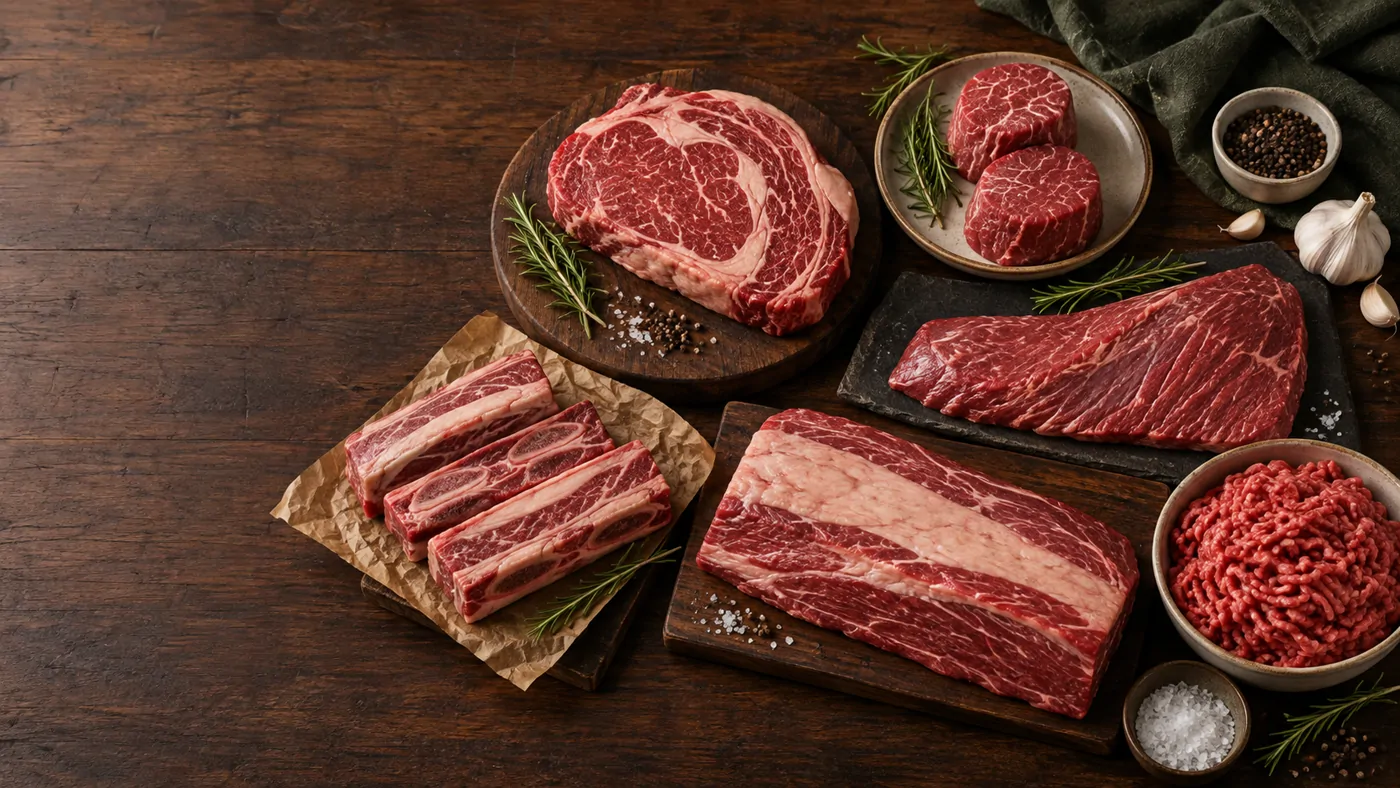
From the shoulder, rib to the hind leg, understand common and rare cuts at a glance. Includes tenderness, marbling, common Hong Kong names, suitable cooking methods, and high-protein meal and meal prep shopping considerations.
Steaks are not just Sirloin, Ribeye and Beef Fillet. Muscles from the same cow vary in activity level, fat distribution and connective tissue, so the ideal doneness can be very different: some cuts are best for fast searing, some for low-and-slow cooking, and some, when sliced against the grain, can have more beef flavour than expensive cuts. This guide fully compiles 40 retail and restaurant common cuts to help you buy frozen beef, calculate portions, or plan fitness meals.
Choose cuts by cooking method first
1. Shoulder Chuck | 9 Cuts
The shoulder has high activity, rich flavour, and tenderness ranging from very tender to suitable for slow cooking; knowing how to choose by muscle makes it very good value.
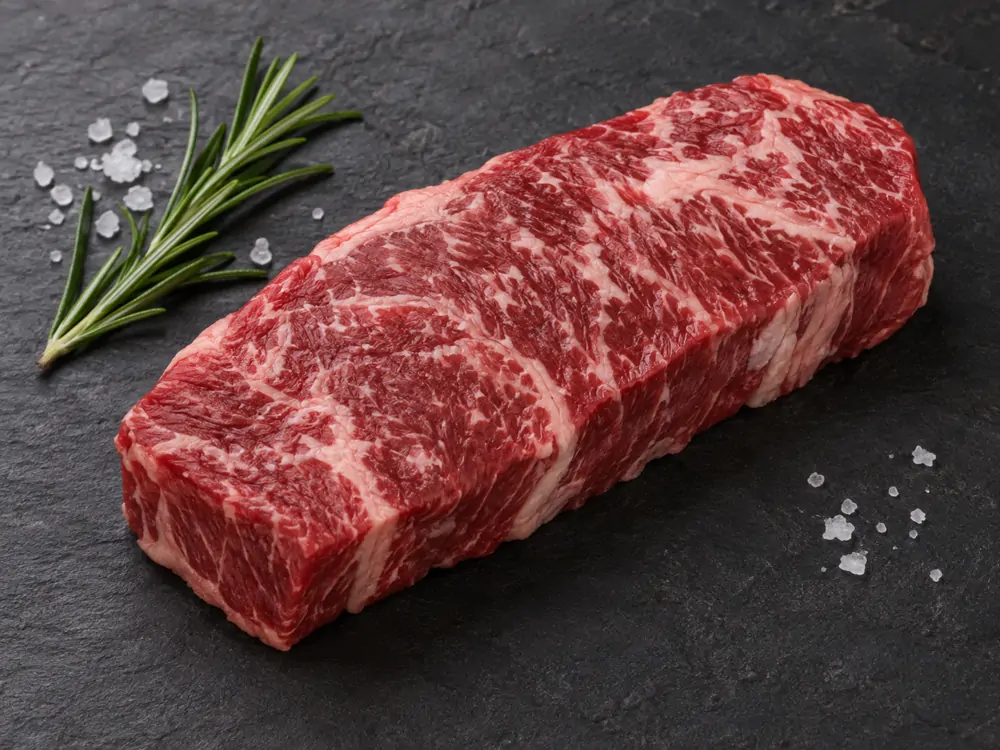
Denver SteakDenver Steak
Location:The tender muscle below the shoulder blade.
Features:Fine marbling, rich beef flavour, and relatively tender among shoulder cuts.
Cooking:Thick-cut fast sear or charcoal grill, slice against the grain after resting.
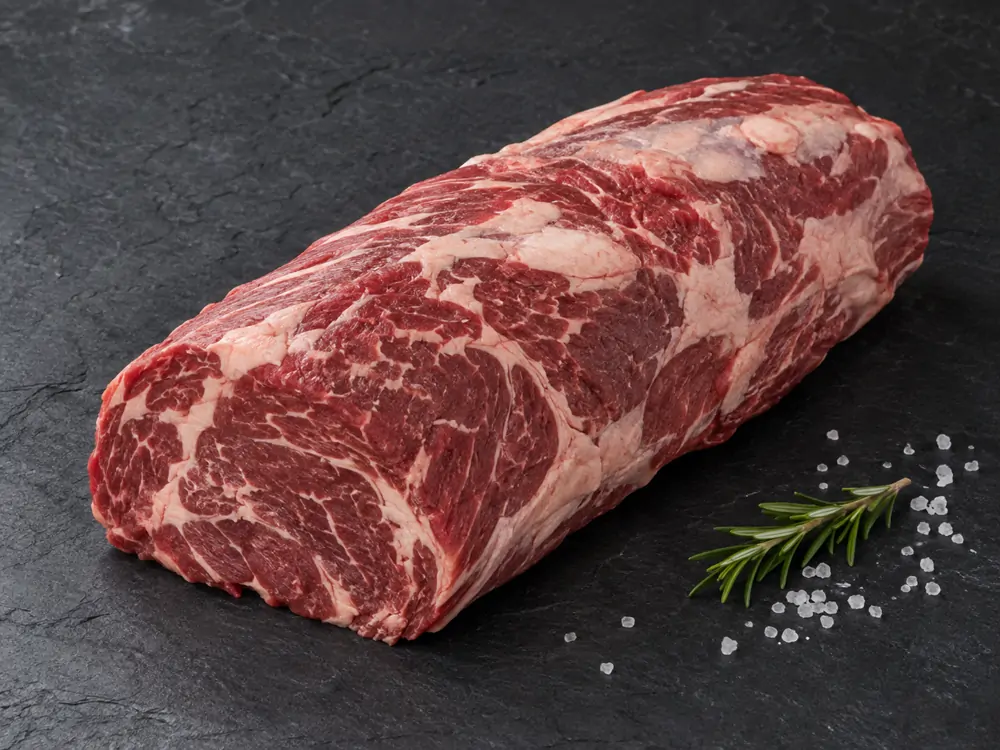
Chuck Eye RollChuck Eye Roll
Location:Shoulder meat connected to the front end of the rib.
Features:Combines fat aroma and meat texture, containing multiple muscle groups.
Cooking:Slice steaks, thin-cut hot pot, roast meat or slow roast.
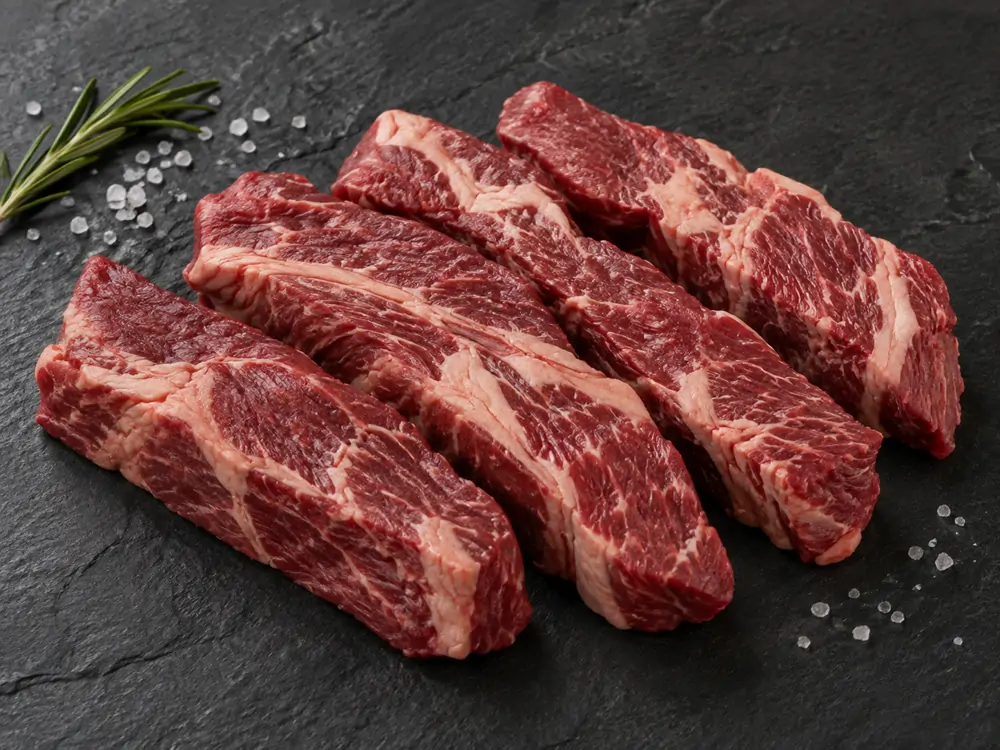
Country-Style RibsCountry-Style Ribs
Location:Thick-cut rib-style cut near the shoulder eye.
Features:Usually thick meat, may or may not have bone; retail specifications vary significantly.
Cooking:Marinate then barbecue, bake or braise at medium-low temperature.
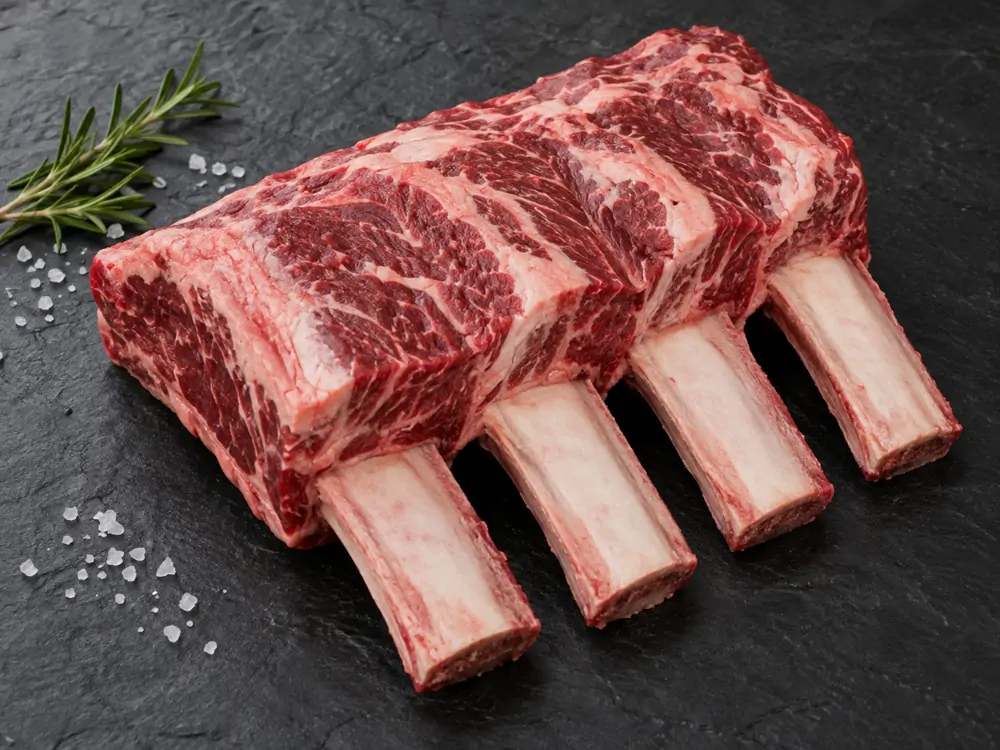
Bone-In Chuck Short RibsBone-In Chuck Short Ribs
Location:Below the shoulder, near the front ribs.
Features:Strong meat flavour, more connective tissue and gelatin.
Cooking:Red wine stew, Korean-style braise, slow bake until tender.
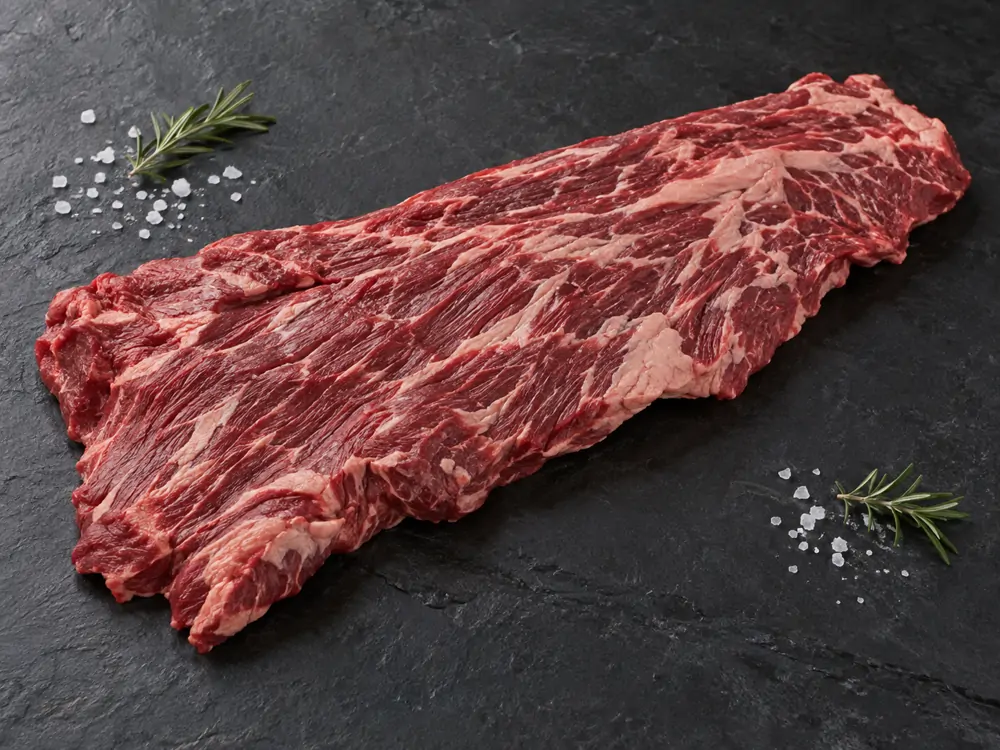
Chuck FlapChuck Flap
Location:Below the shoulder, close to the short rib area.
Features:Rich marbling, coarser fibre, distinct aroma.
Cooking:Slice thin for roast meat, quick pan-fry, or thick pieces slow-cooked.
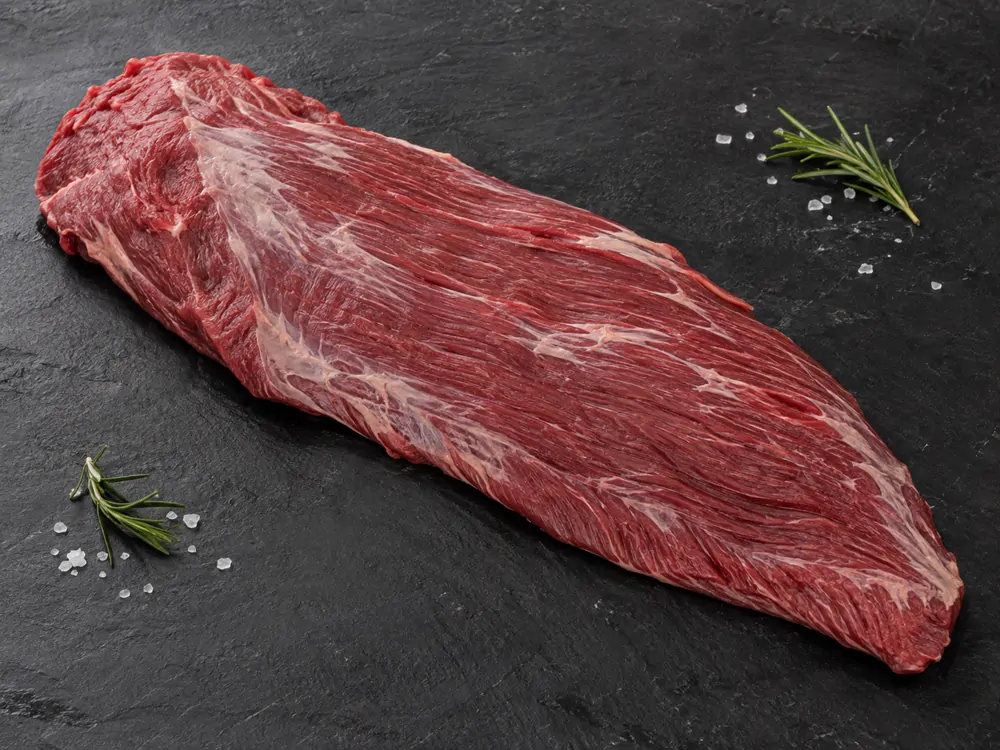
Pectoral MeatPectoral Meat
Location:Outer front chest, muscle supporting the front limbs.
Features:Lean and firm, visible connective tissue.
Cooking:Stew, braise, low-temperature slow cook or slice thin for quick stir-fry.
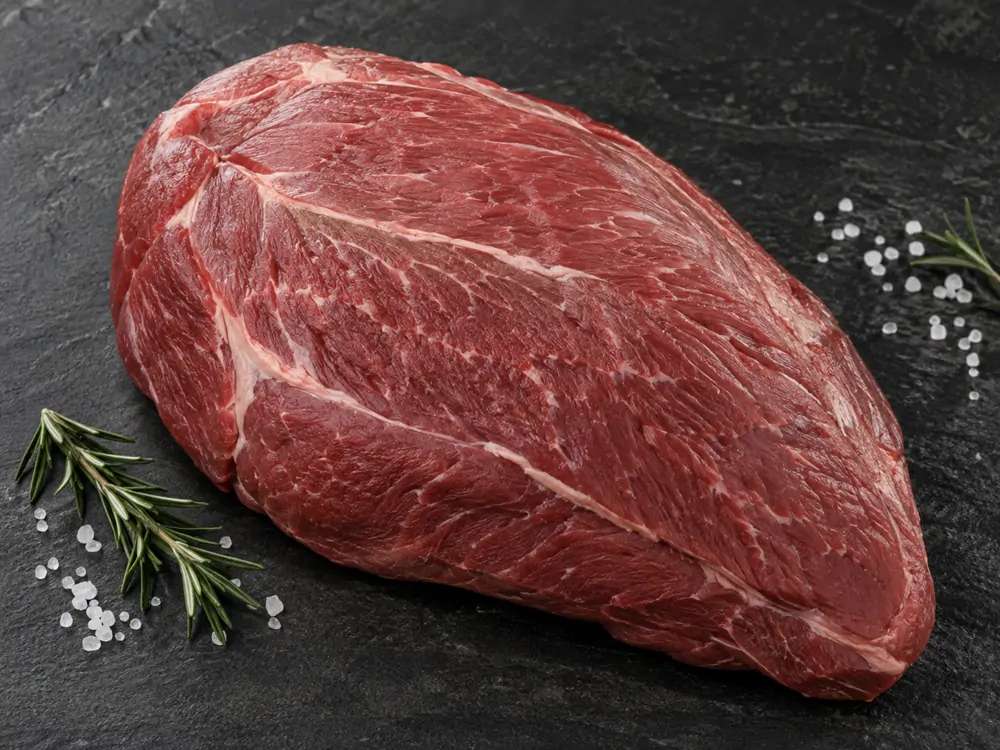
Clod HeartClod Heart
Location:Large lean cut in the centre of the shoulder clod.
Features:Less fat, clear meat flavour, suitable for large meal prep.
Cooking:Slow roast, slice steaks or cut against the grain for quick stir-fry.
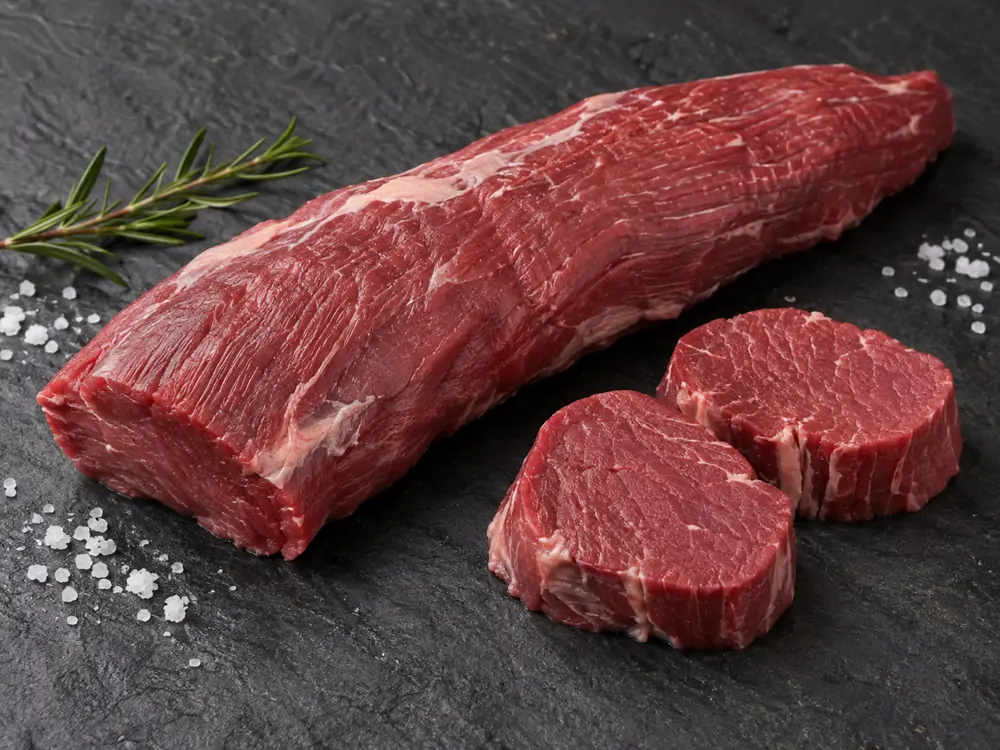
Petite Tender / Teres MajorPetite Tender / Teres Major
Location:Small strip of tender muscle on the inside of the shoulder.
Features: Resembles beef fillet in shape, with fine fibres and little fat.
Cooking:Whole pan-fry or bake, cut medallions, or quick roast.
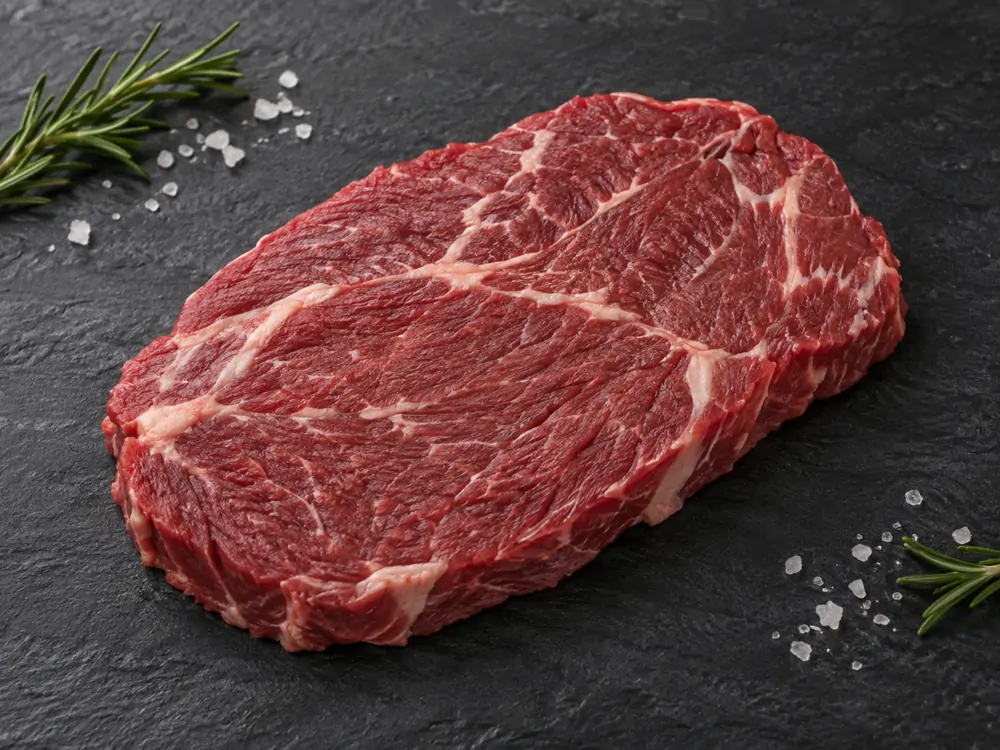
Ranch SteakRanch Steak
Location:Lean steak cut from the centre of the shoulder.
Features:Solid meat flavour, less fat, overcooking makes it tough.
Cooking:Marinate then quick pan-fry to desired doneness, must cut against the grain.
2. Rib | 6 Cuts
The rib area is less active, usually higher tenderness and marbling; bone length and whether the ribeye cap is kept affect the name and price.
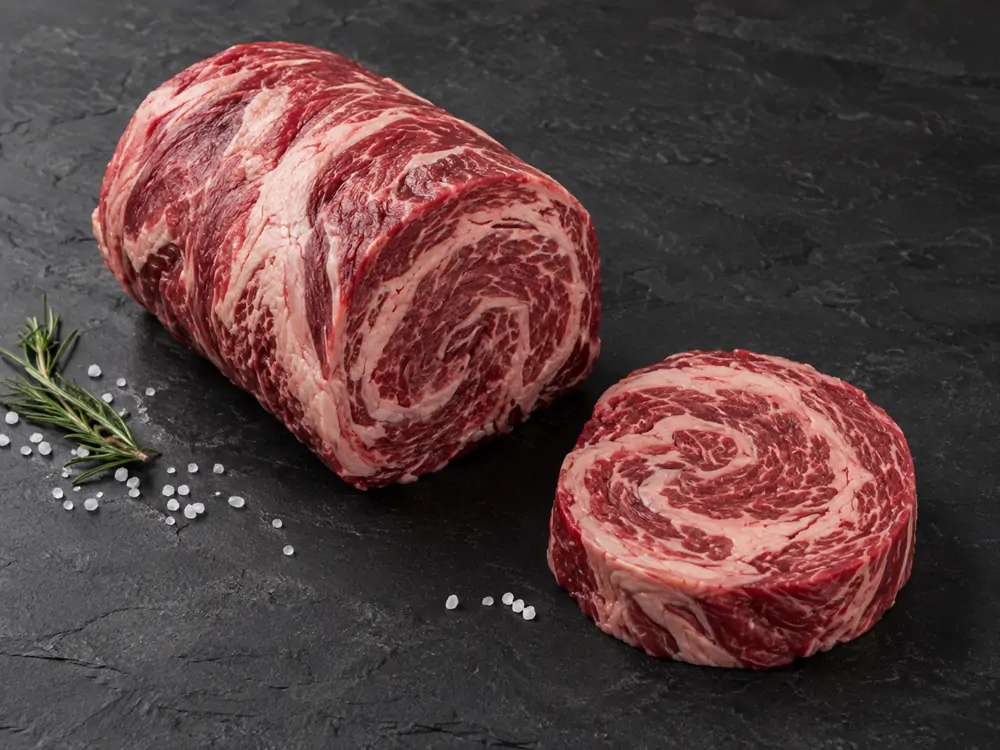
Ribeye Cap / Spinalis DorsiRibeye Cap / Spinalis Dorsi
Location:Crescent-shaped muscle surrounding the outer edge of the ribeye.
Features:Very tender, rich marbling, distinct fat aroma.
Cooking:High-temperature quick pan-fry or charcoal grill, avoid overcooking.
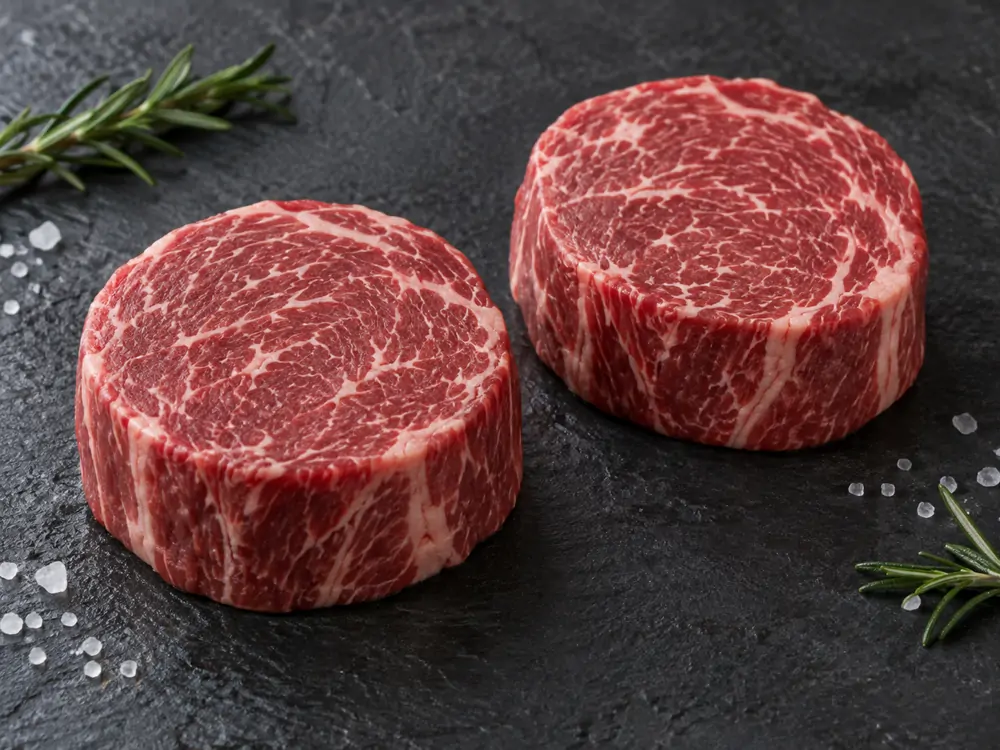
Ribeye FiletRibeye Filet
Location:The main muscle in the centre of the ribeye.
Features:Tender, balanced meat flavour; outer ribeye cap removed.
Cooking:Pan-fry, air fry or grill.
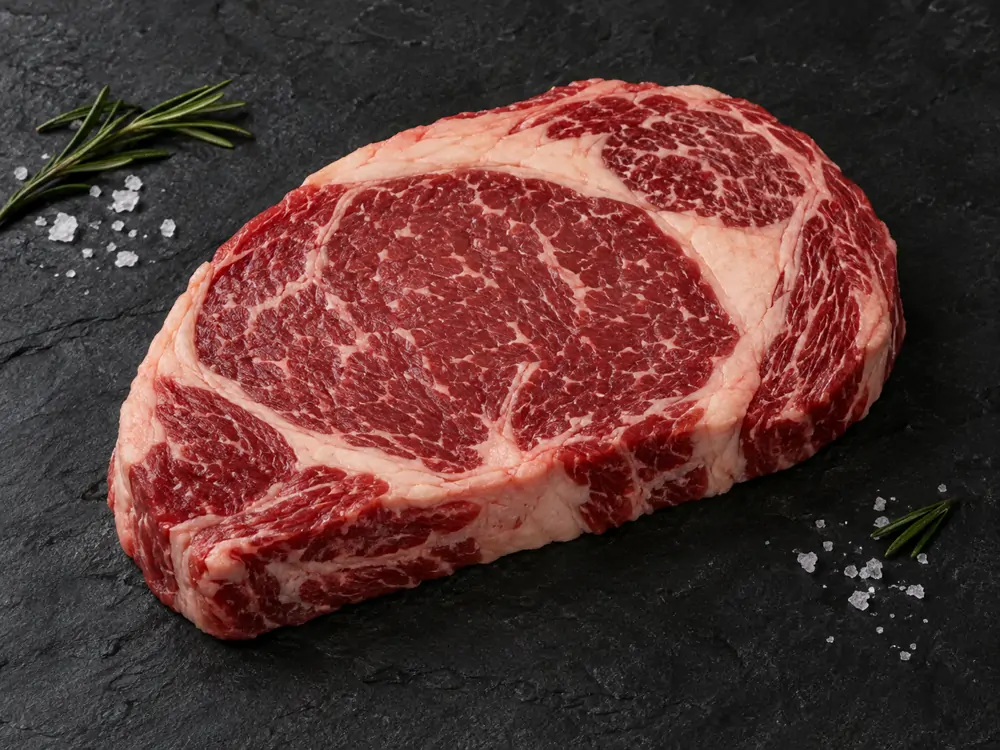
Ribeye SteakRibeye Steak
Location:Boneless steak cut from the rib section.
Features:Balanced marbling, tenderness and beef flavour, high margin for error.
Cooking:Pan-fry, bake, charcoal grill or air fry.
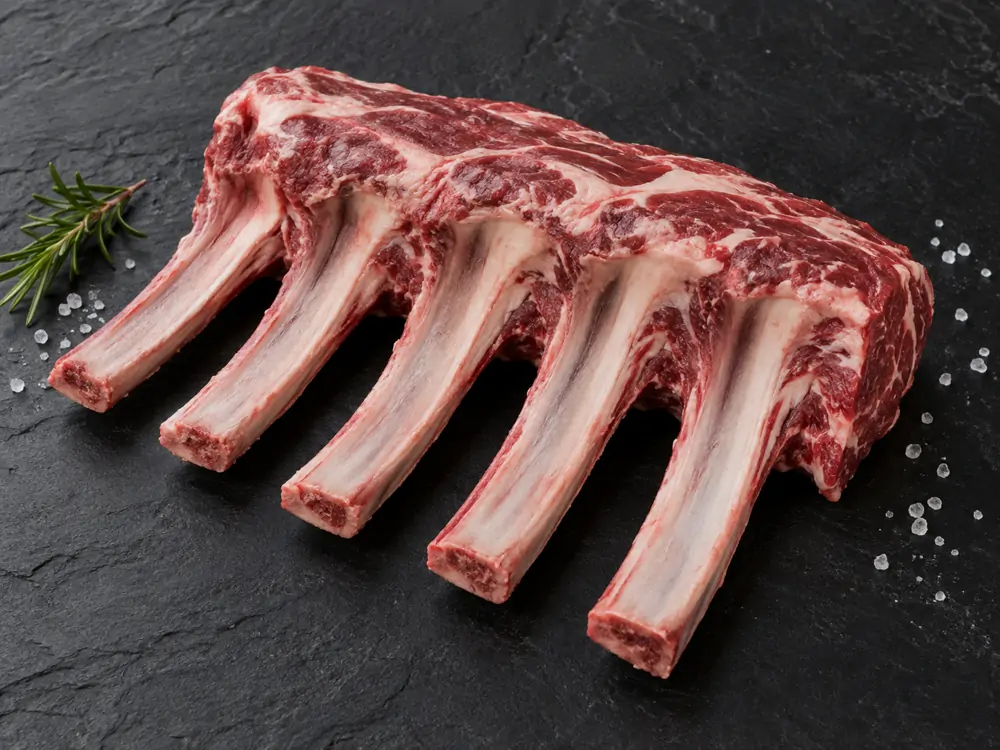
Back RibsBack Ribs
Location:The back ribs left after the ribeye meat is removed.
Features:Meat mainly between the bones, with prominent bone flavour.
Cooking:Low-temperature oven roast, smoke or braise.
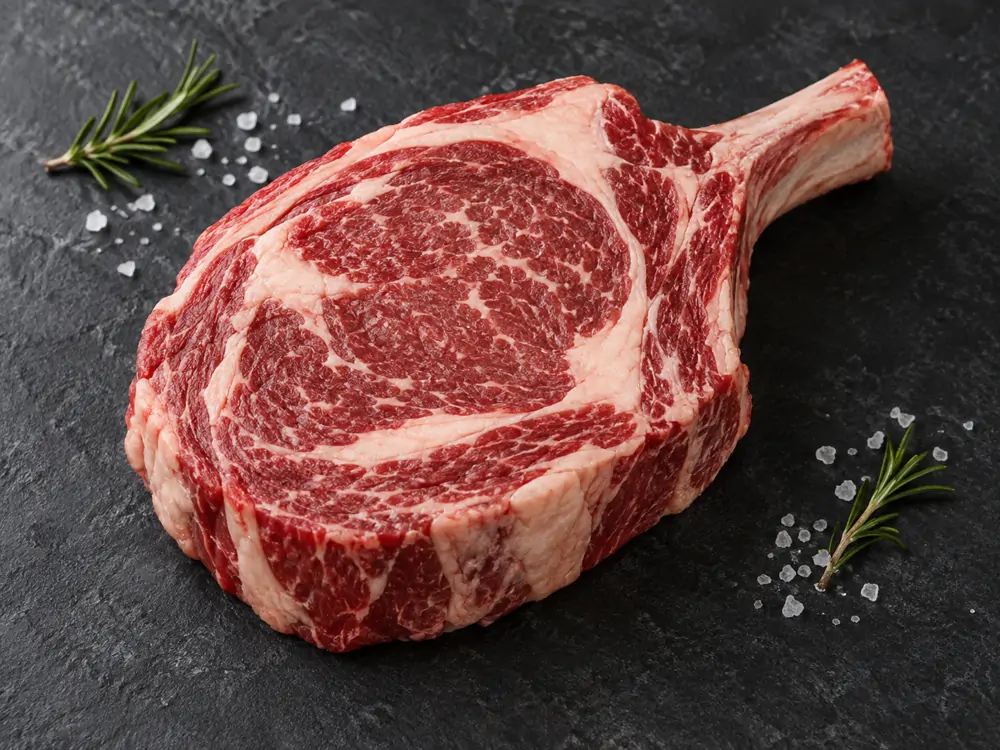
Cowboy SteakCowboy Steak
Location:Thick-cut bone-in ribeye with short French trimming.
Features:Thick, ample marbling, rich bone-edge flavour.
Cooking:Pan-fry then bake, reverse sear or charcoal grill.
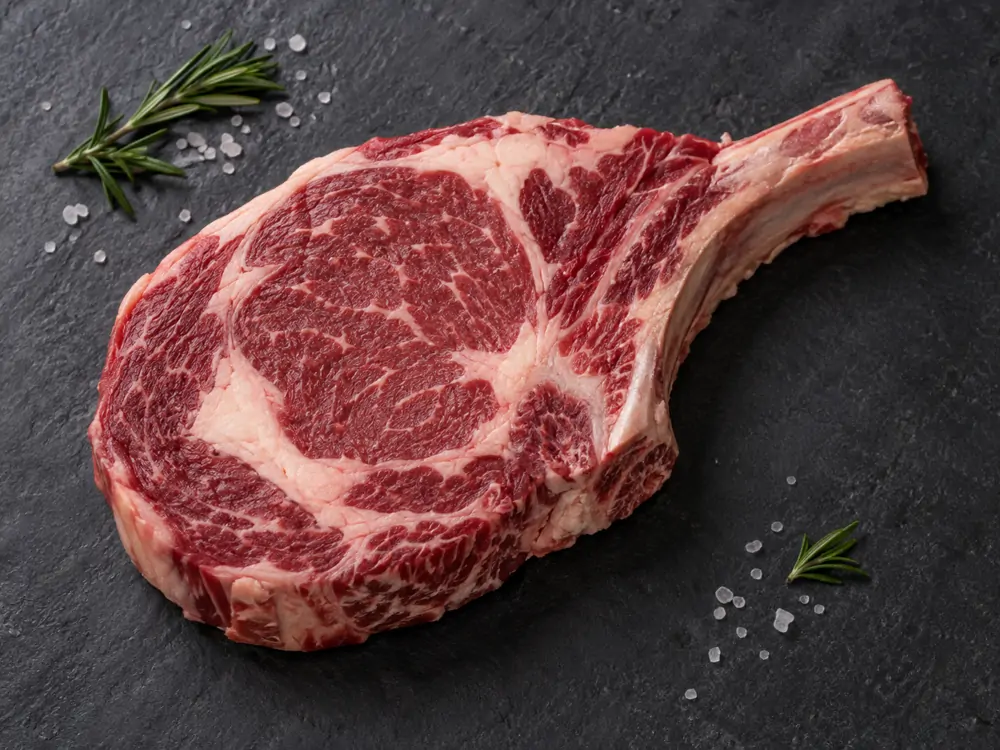
Rib SteakRib Steak
Location:Ribeye cut across with the rib, bone segment generally not specially lengthened.
Features:Rich fat aroma, thickness and trimming method may vary.
Cooking:Thick pan-fry, bake or grill.
3. Brisket|2 cuts
Supports the front half of the body, rich in connective tissue; time and temperature management are more important than simply pursuing high heat.
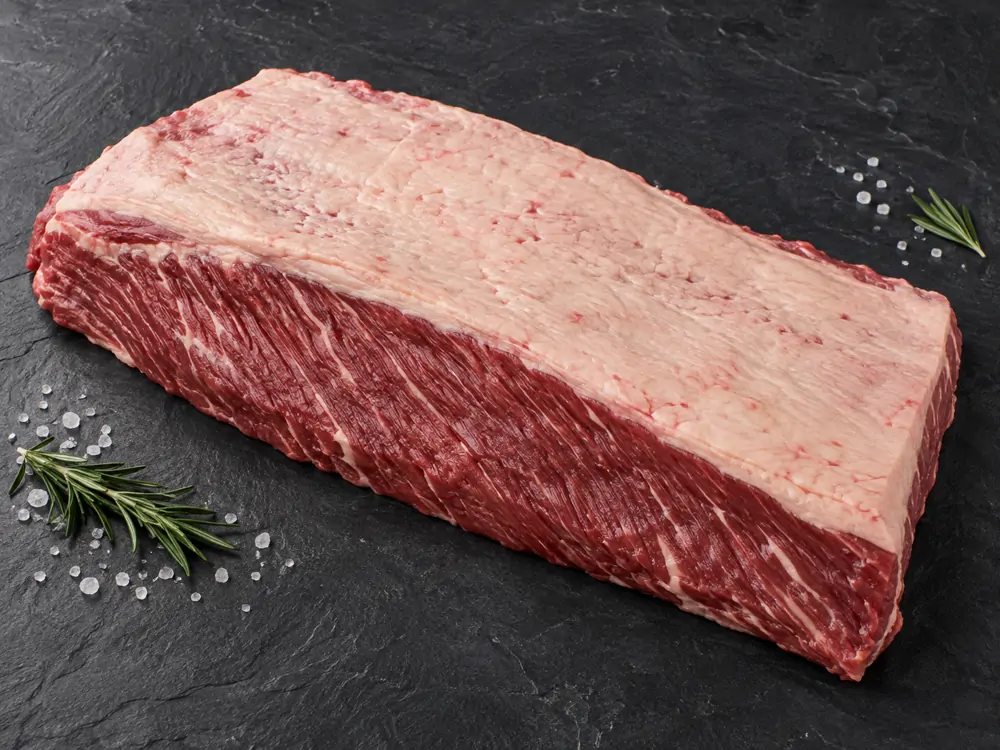
Brisket FlatBrisket Flat
Location:The flatter, leaner side of the brisket.
Features:Even thickness, less fat, easy to cut neat slices.
Cooking:Slow cook, smoke, braised; slice against the grain after cooking.
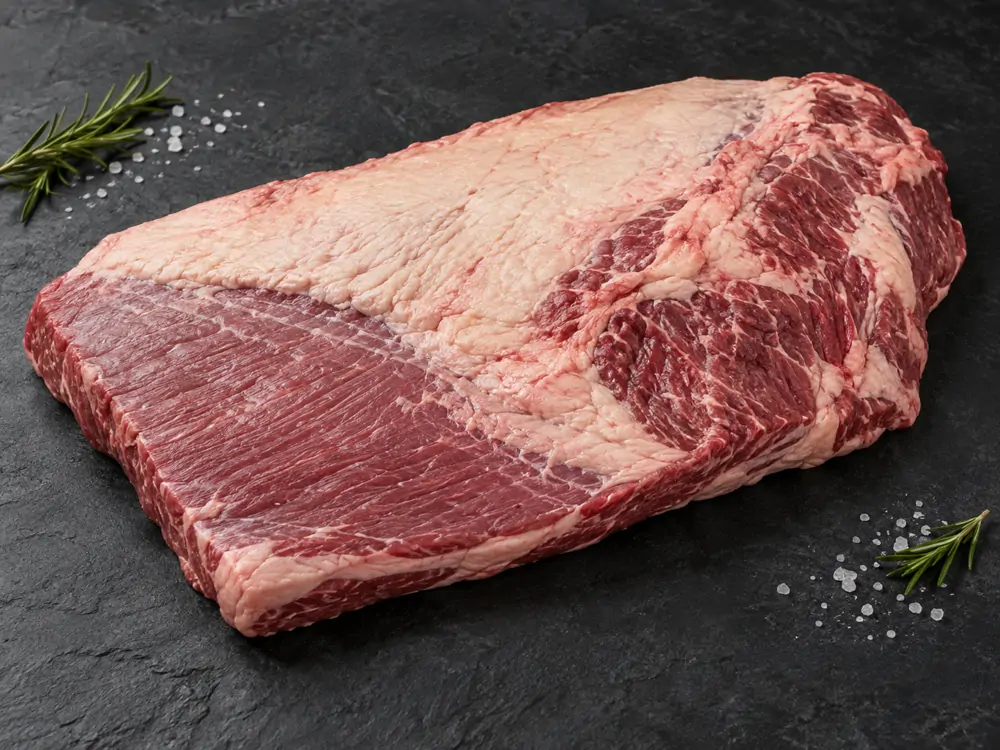
Whole Brisket / Packer BrisketWhole Brisket / Packer Brisket
Location:Complete brisket, usually including the flat and the fatter point.
Features:Combines lean meat, fat and gelatin, larger volume.
Cooking:American smoke, slow bake or large pot braise.
4. Plate|4 cuts
Distinctive fibres, strong beef flavour; common source for BBQ, Mexican fajita, Asian stir-fry and slow-cooked dishes.
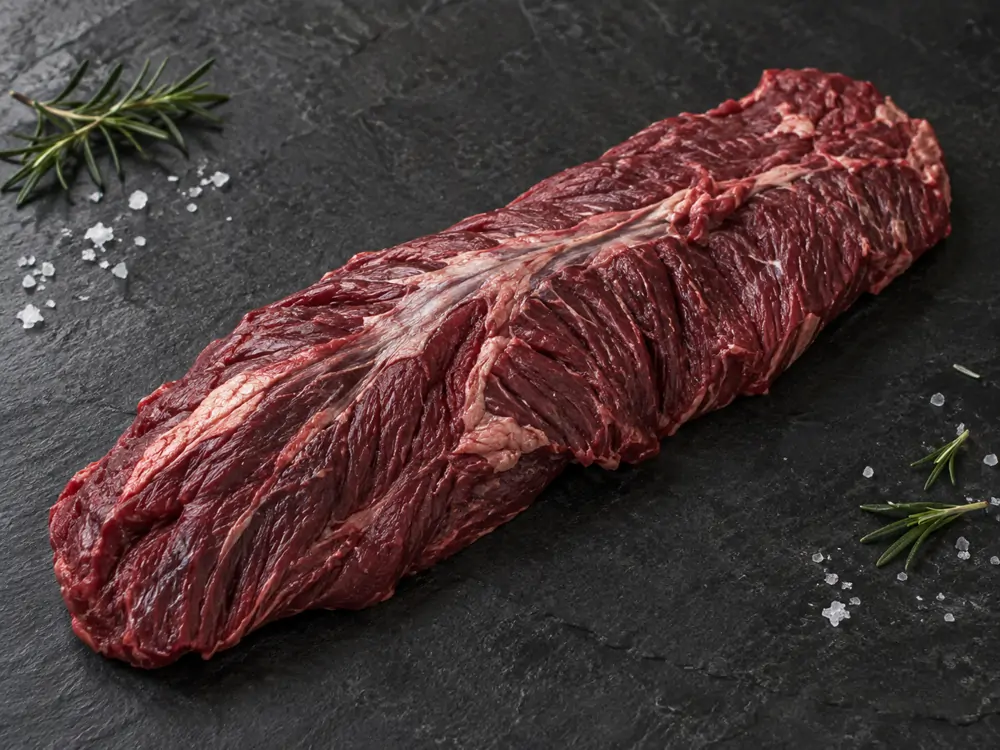
Hanger Steak / Hanging TenderHanger Steak / Hanging Tender
Location:Near the diaphragm, hanging near the lumbar vertebrae.
Features:Very strong beef flavour, usually has a hard central tendon to trim.
Cooking:High-heat quick pan-fry, slice against the grain after resting.
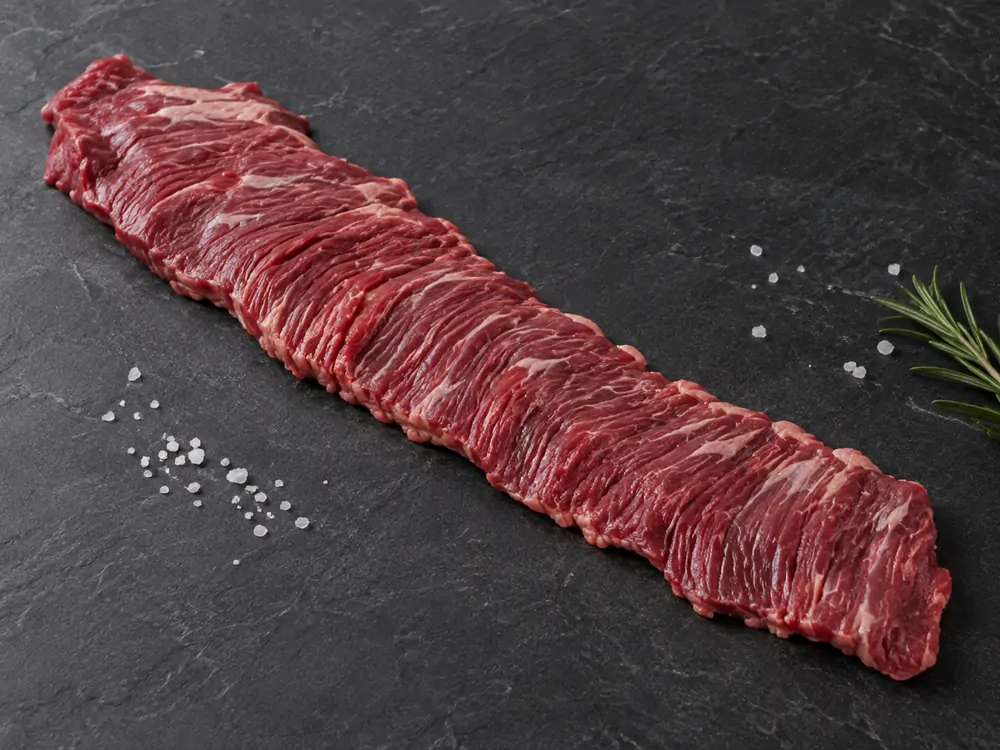
Inside SkirtInside Skirt
Location:Inside of the plate, around the diaphragm.
Features:Long and thin, coarse texture, usually slightly firmer than Outside Skirt.
Cooking:Pan-fry quickly over high heat after marinating, or stir-fry quickly, slice thinly against the grain.
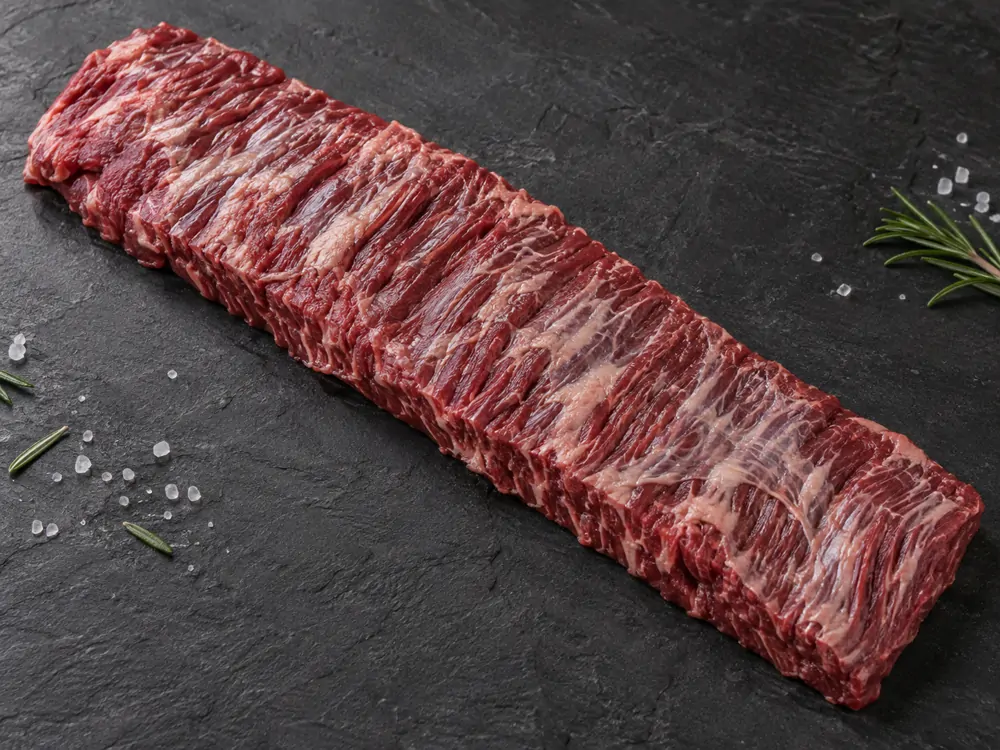
Outside SkirtOutside Skirt
Location:Long muscle on the outside of the diaphragm.
Features:Strong meat flavour, usually thicker and more tender, absorbs marinade well.
Cooking:Charcoal grill, fajita, Korean BBQ or pan-fry quickly over high heat.
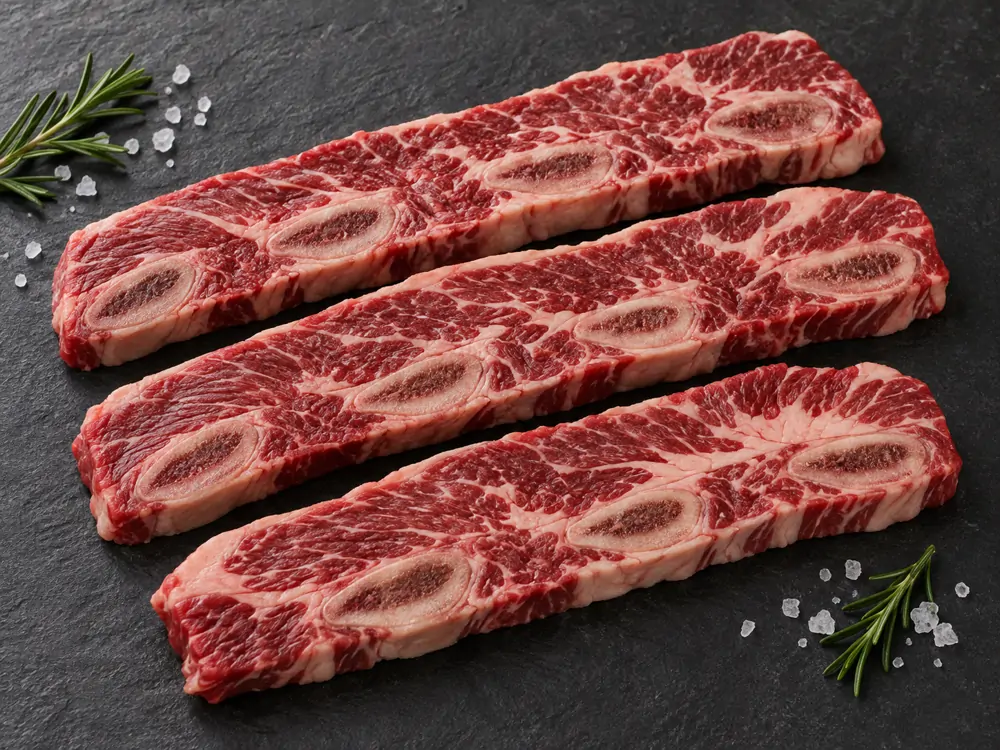
Plate Short RibsPlate Short Ribs
Location:Chest and abdominal area at the lower end of the ribs, thick layer of meat.
Features:Abundant fat, connective tissue and gelatin, strong beef flavour.
Cooking:Slow-cook in thick pieces; slice thinly across the grain for Korean BBQ.
5. Loin | 9 Cuts
Includes the tenderest fillet, as well as the rump area with strong character; purchase whole and cut into steaks, diced, or portioned as needed.
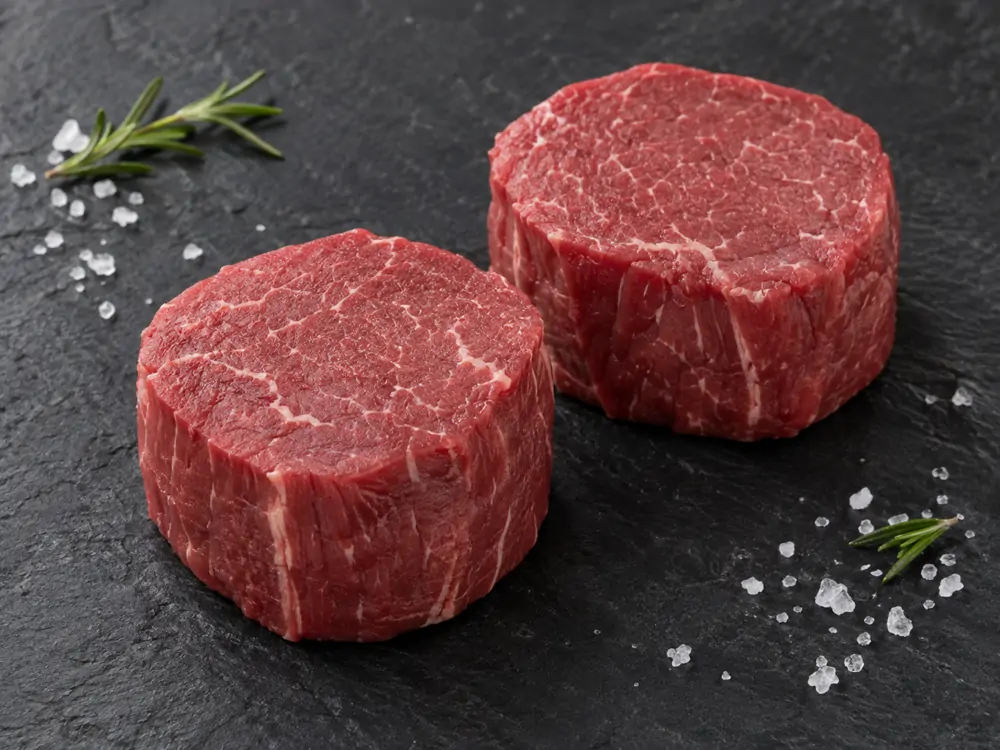
Tenderloin Filet / Filet MignonTenderloin Filet / Filet Mignon
Location:Long muscle on the inside of the loin, very little movement.
Features:Very tender, less fat, subtle flavour.
Cooking:Pan-fry thickly, pan-roast, or sear after low-temperature slow cooking.
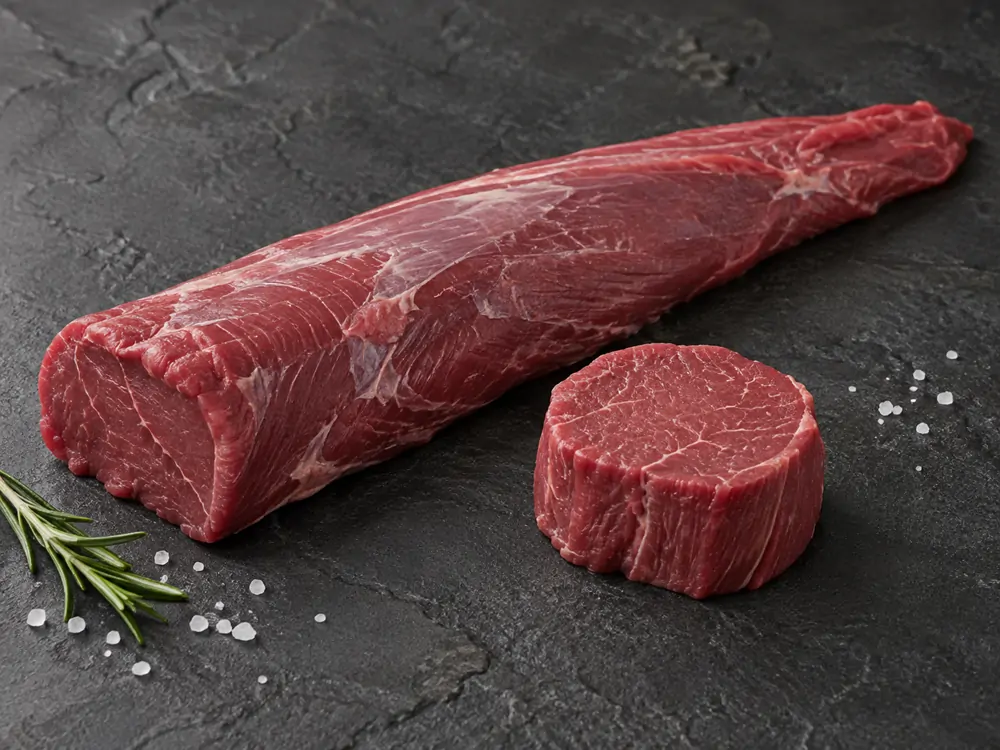
Whole TenderloinWhole Tenderloin
Location:Complete loin meat, varying thickness from head to tail.
Features:Can be divided into fillet steaks, roast meat, diced fillet and trimmings.
Cooking:Roast whole or portion after removing silverskin.
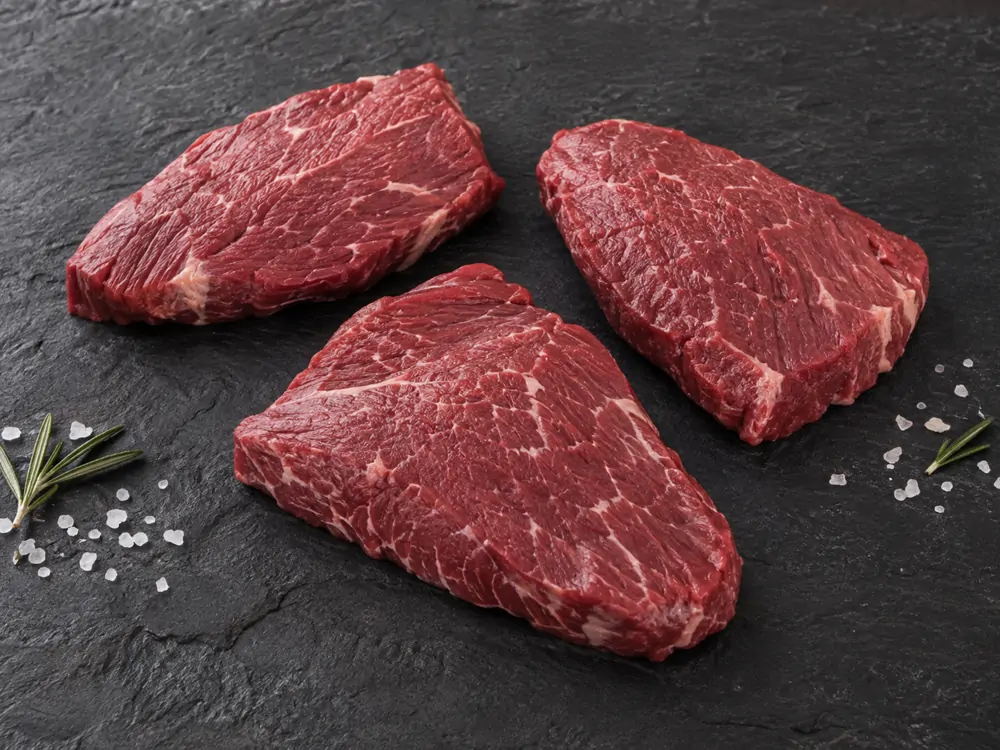
Ball Tip SteakBall Tip Steak
Location:Slice of ball tip meat near the rear leg, in the lower rump.
Features:Leaner, substantial texture, usually more affordable.
Cooking:Pan-fry quickly after marinating, do not overcook, slice thinly against the grain.
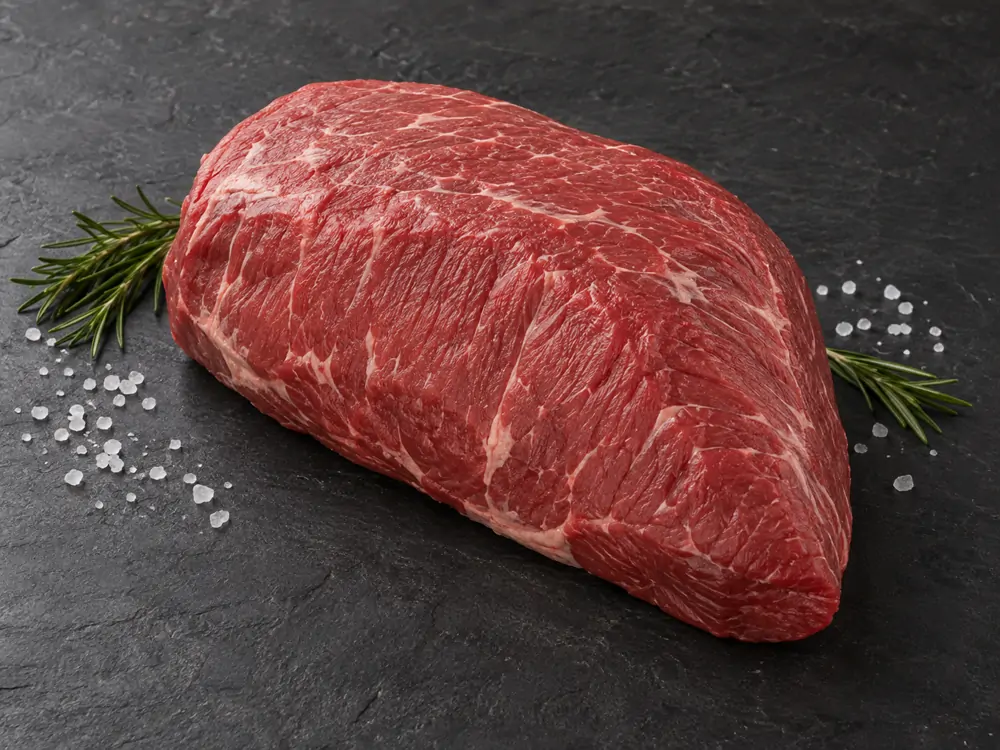
Ball TipBall Tip
Location:Round, thick block of meat at the front of the lower rump.
Features:High proportion of lean meat, suitable for cooking whole then slicing.
Cooking:Low-temperature roast, cut into steaks or slice thinly for quick stir-fry.
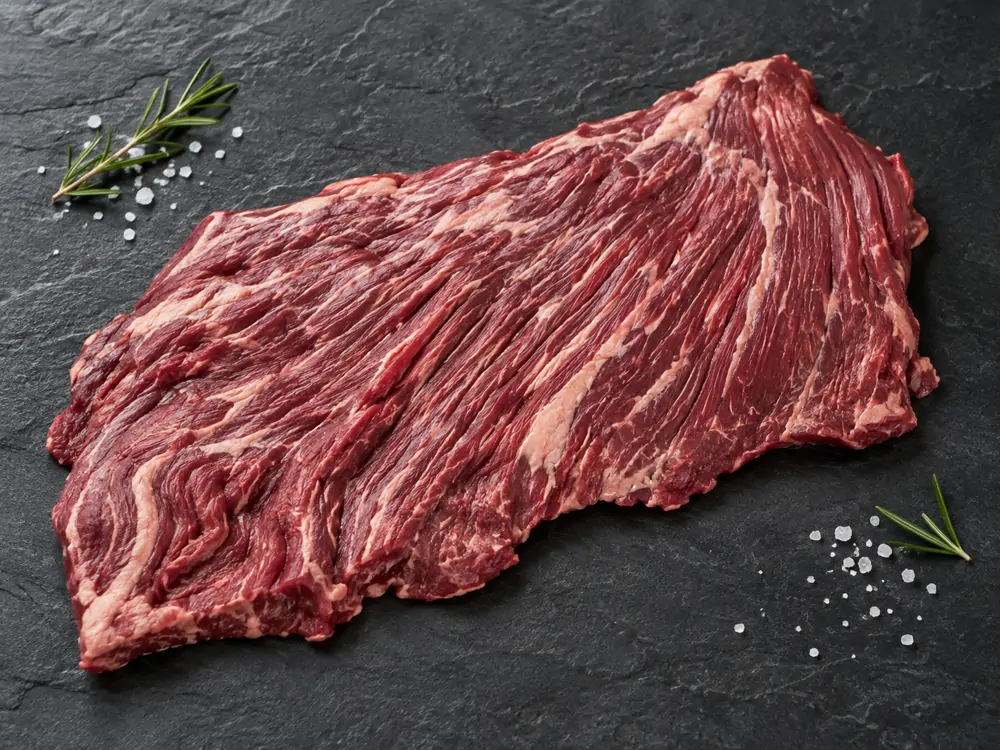
Bottom Sirloin Flap / BavetteBottom Sirloin Flap / Bavette
Location:Thin, wide muscle on the lower rump side.
Features:Coarse texture, soft, absorbs sauce, strong beef flavour.
Cooking:Charcoal grill, pan-fry quickly, French bavette; slice against the grain.
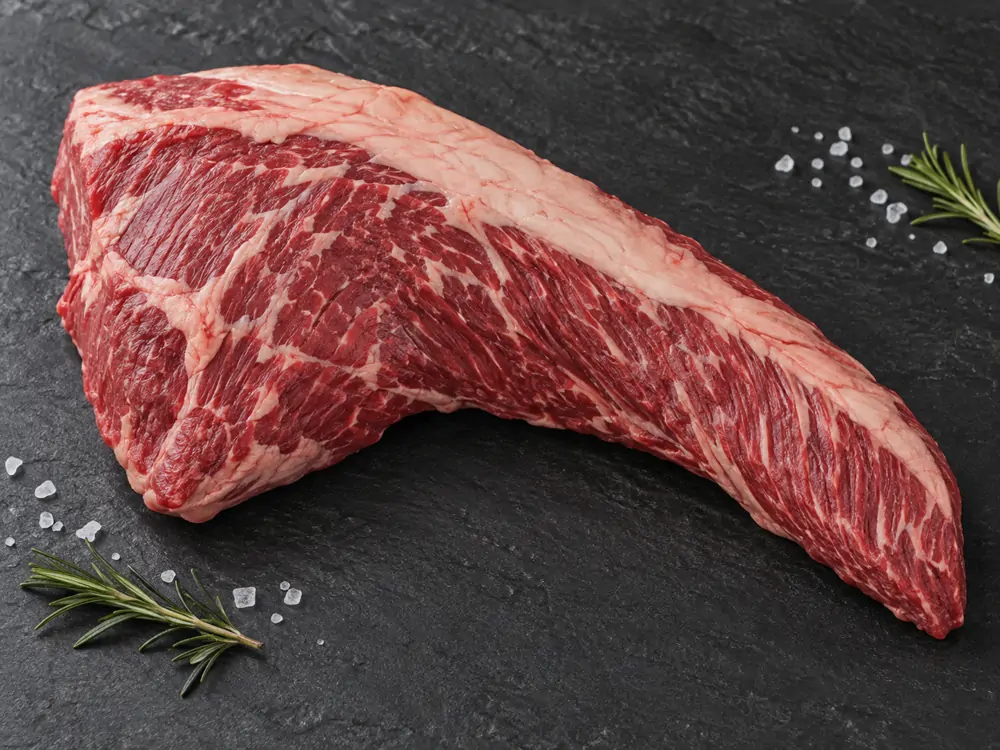
Tri-TipTri-Tip
Location:Triangular block of meat in the lower rump.
Features:Full meat flavour, more juicy when covered with fat cap; grain direction changes.
Cooking:Grill whole or pan-fry reverse, check grain direction before slicing.
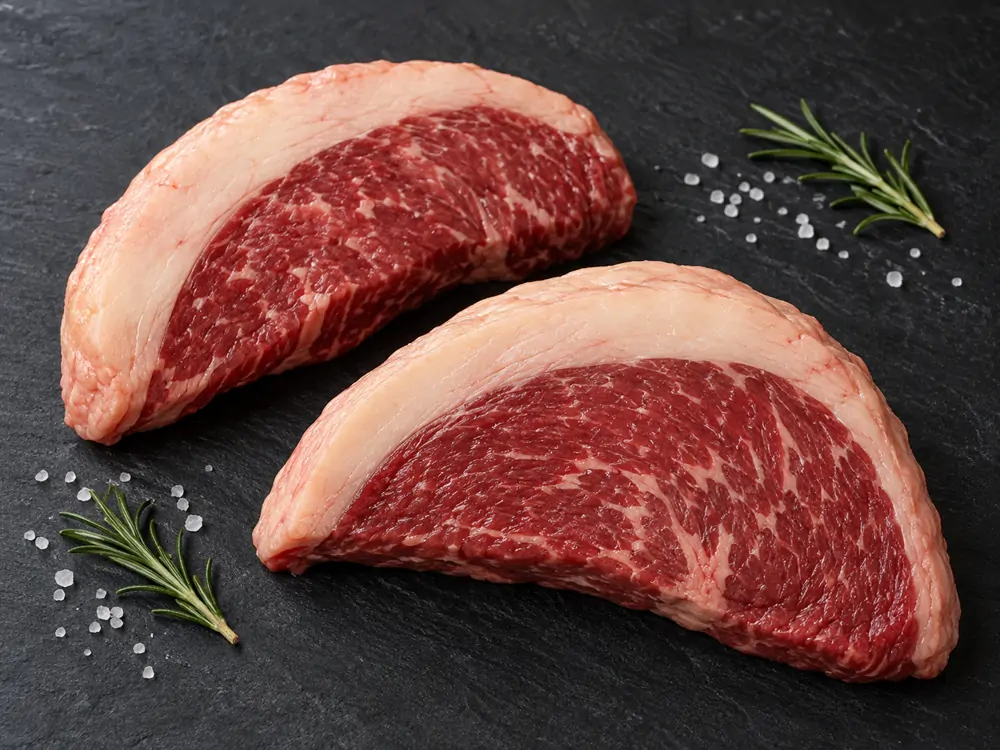
Coulotte SteakCoulotte Steak
Location: The cap of the top sirloin cut into steaks.
Features: One side can retain the fat cap; rich meat flavour and chewy.
Cooking: Sear the fat side first, then pan-fry to desired doneness.
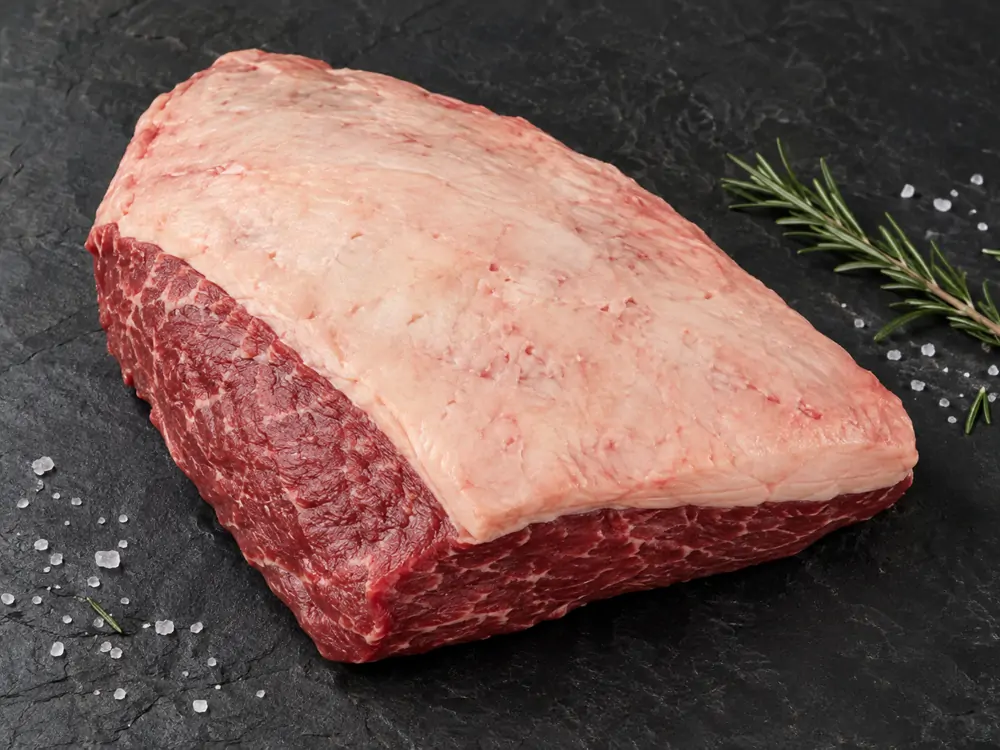
Top Sirloin Cap / Coulotte / PicanhaTop Sirloin Cap / Coulotte / Picanha
Location: The outer layer of the top sirloin, often with a complete fat cap.
Features: Rich beef flavour and full of fat aroma; also known as picanha.
Cooking: Roast whole, Brazilian skewers, or cut into steaks.
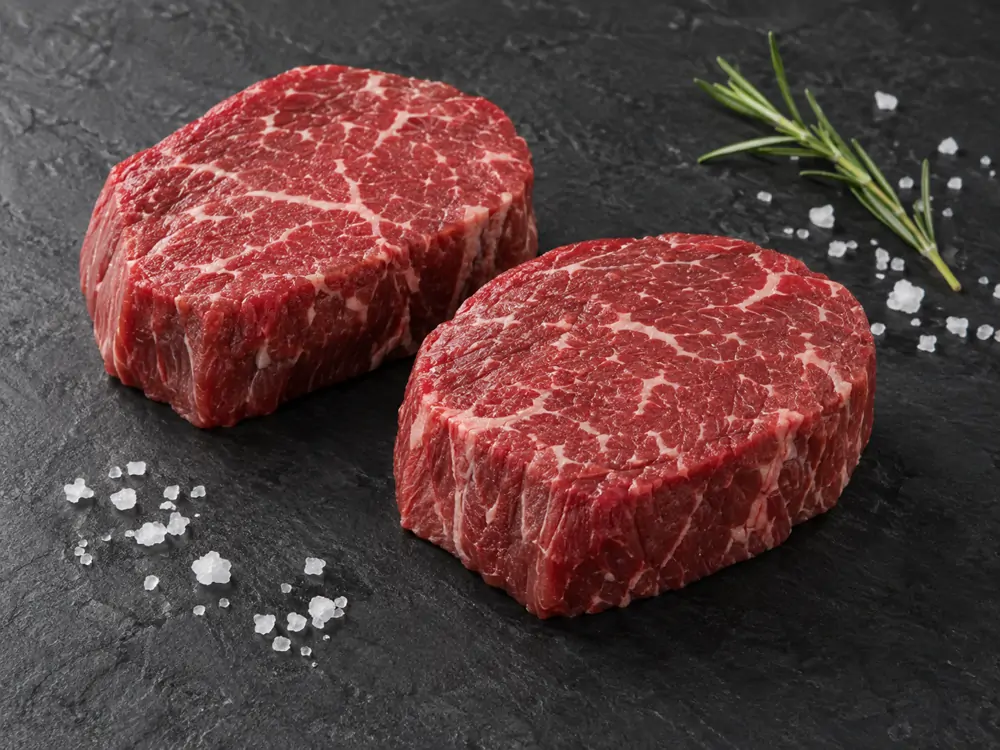
Top Sirloin FiletTop Sirloin Filet
Location: A thick round steak cut from the centre of the top sirloin.
Features: More chewy than beef fillet, usually less fat than ribeye.
Cooking: Pan-fry thick, grill, air fry; rest before slicing.
6. Flank | 1 cut
Large, flat, very clear grain lines; handled well it has a rich beef flavour, but cutting in the wrong direction makes it tough.
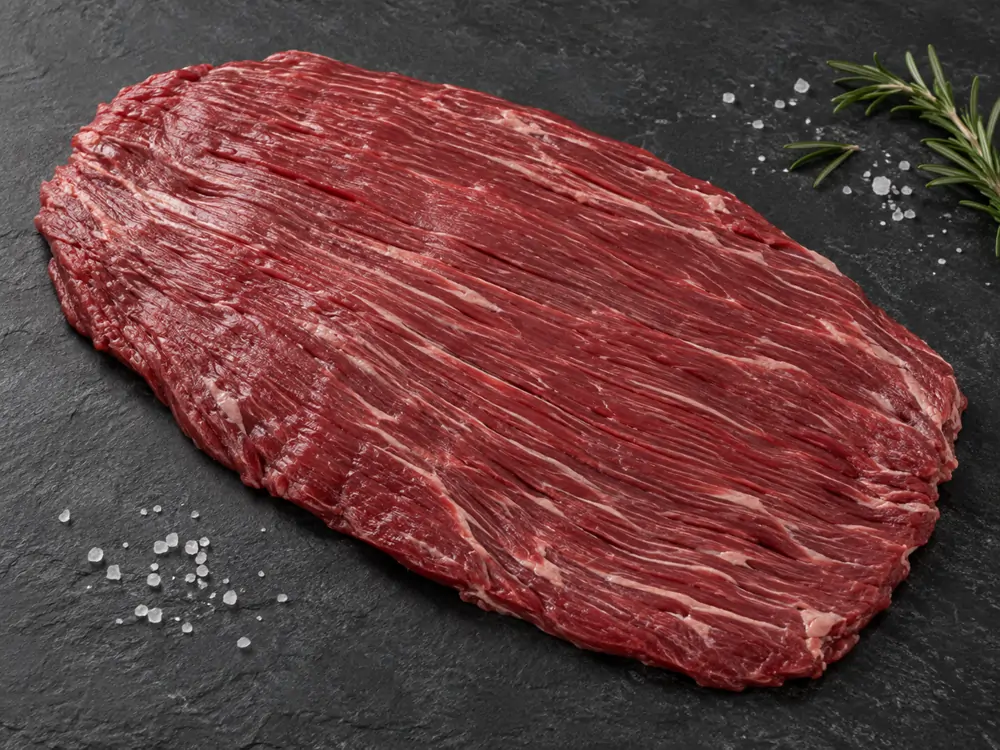
Flank SteakFlank Steak
Location: The side of the belly, near the flank muscles.
Features: Lean, coarse grain, rich meat flavour, marinade penetrates easily.
Cooking: High-heat pan-fry or grill to medium-rare, must slice thin against the grain.
7. Round | 8 cuts
Round muscles have high activity, mostly lean and firm. The advantage is stable portion size and easy fat control; the key is to avoid overcooking and learn to slice against the grain.
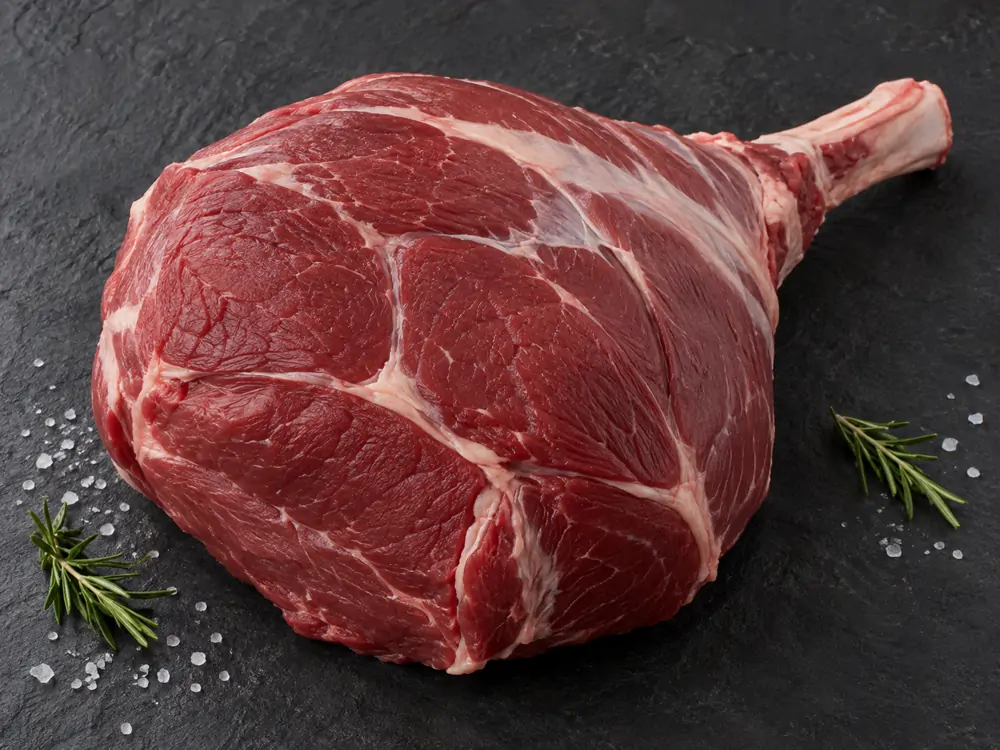
Bone-in hindquarter with shank Steamship Round
Location: A large whole round, retaining part of the shank bone for display.
Features: Very large portion, lean, often used for banquets or catering.
Cooking: Low-temperature long roast, then slice thin for serving.
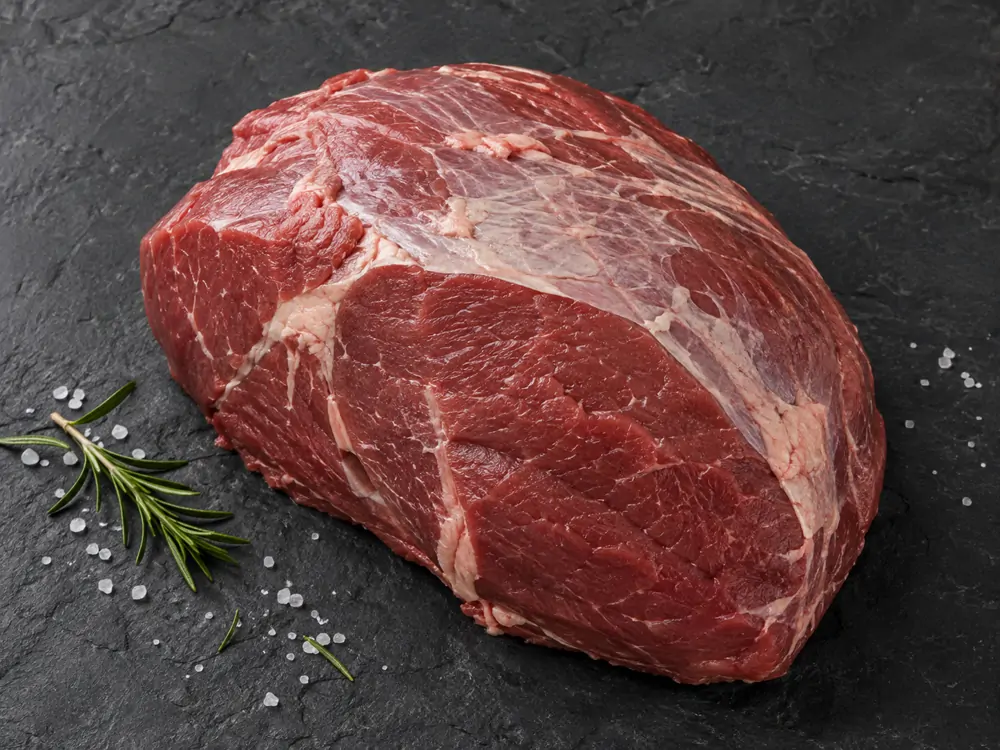
Hind-leg heel muscle Heel of Round
Location: The lower end of the round, near the hock.
Features: More tendons and connective tissue, rich beef flavour.
Cooking: Braised, stewed, pressure cooker or slow-cooked.
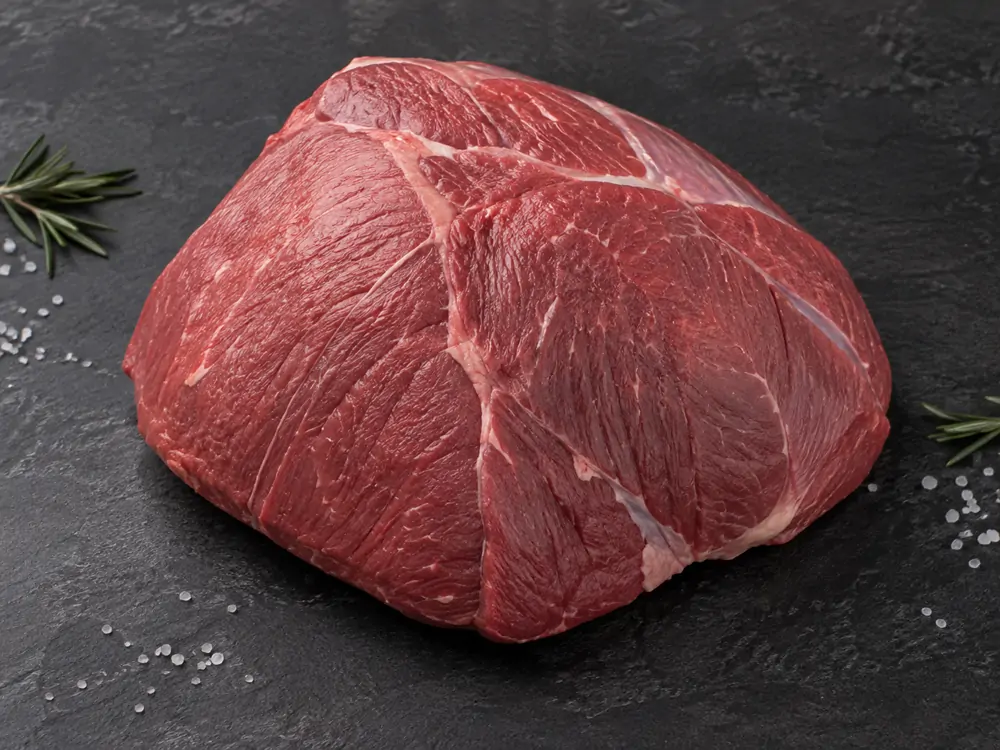
Hind-leg knuckle Sirloin Tip / Knuckle
Location: The front of the round, near the lower sirloin.
Features: Composed of several lean muscle groups, firm texture.
Cooking: Cut into steaks, thin-sliced quick stir-fry, low-temperature roast or hot pot.
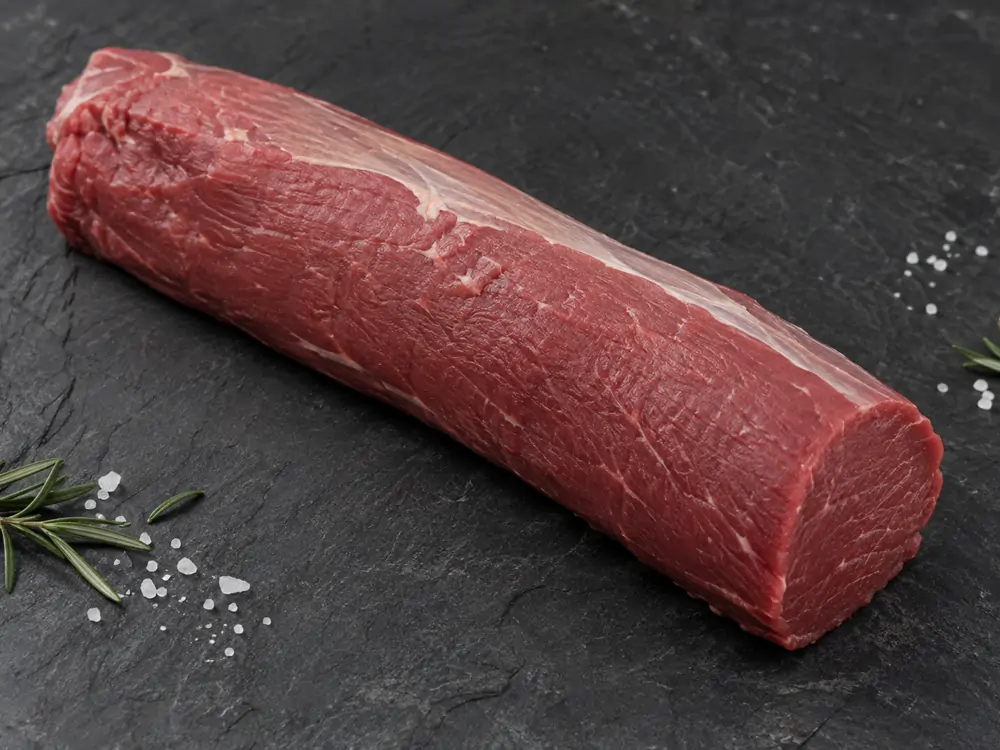
Hind-leg eye muscle Eye of Round
Location: The long cylindrical muscle in the centre of the round.
Features: Very lean, neat appearance, but not ribeye, lower tenderness.
Cooking: Low-temperature roast then slice thin, jerky or slow-cooked.
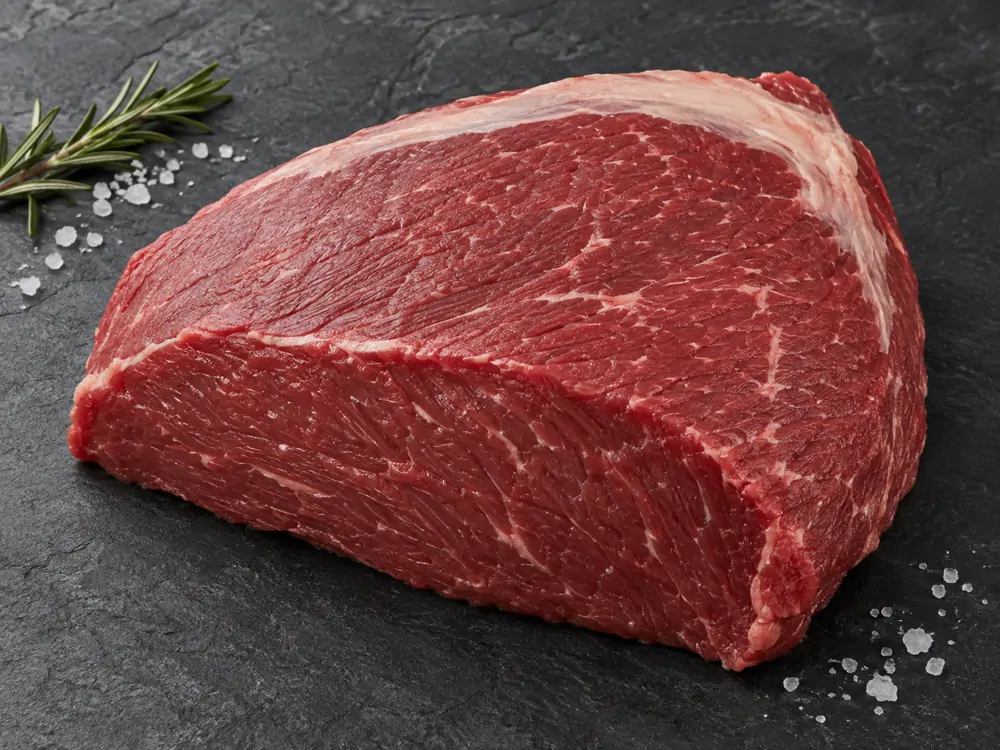
Outer hind-leg meat Outside Round / Bottom Round Flat
Location: A large, flat muscle on the outside of the hind leg.
Features: Lean and firm, suitable for large portion slicing.
Cooking: Slow roast, stew, hot pot thin slices or quick stir-fry after marinating.
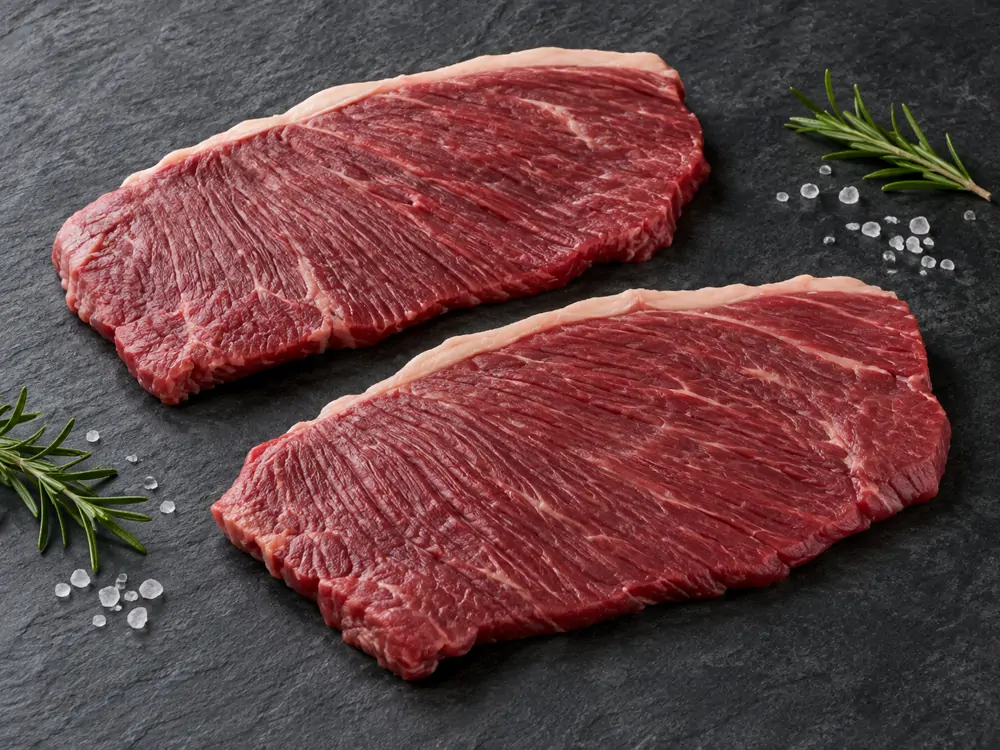
Upper hind-leg cap steak Top Round Cap Steak
Location: A cap steak cut from the outer layer of the top round meat.
Features: Lean with distinct grain lines, less common in retail.
Cooking: Quick pan-fry after marinating, grill after tenderising, cut against the grain.
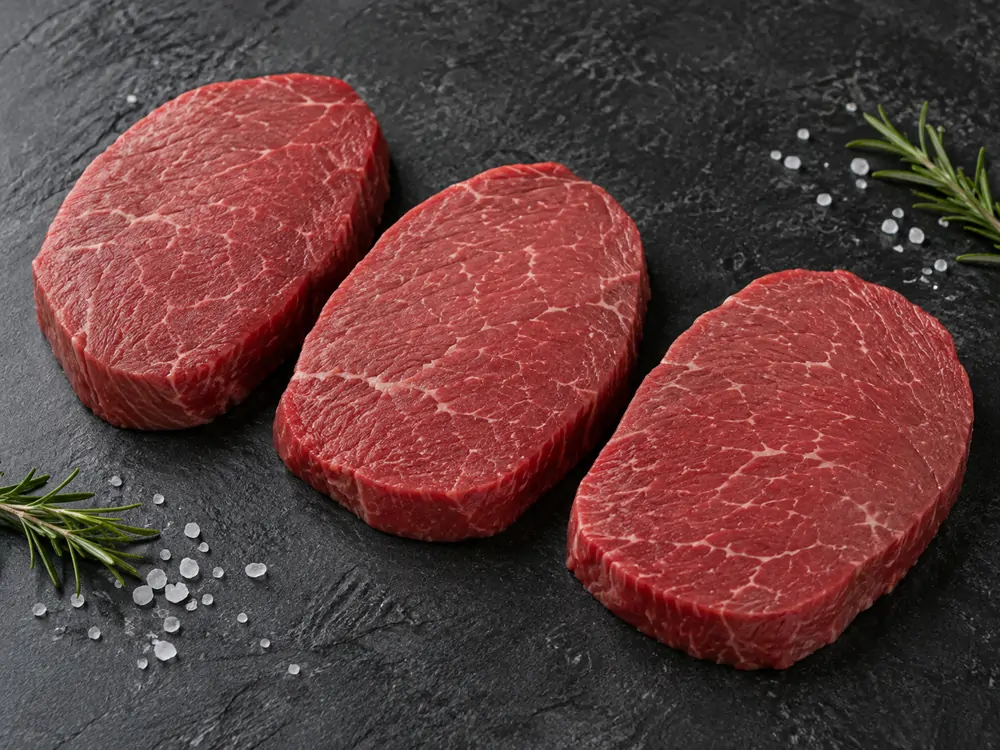
Upper hind-leg steak Top Round Steak
Location: A steak cut horizontally from the top round meat.
Features: Low fat, easy portion control, firmer texture.
Cooking: Pound flat or pan-fry after marinating, do not overcook.
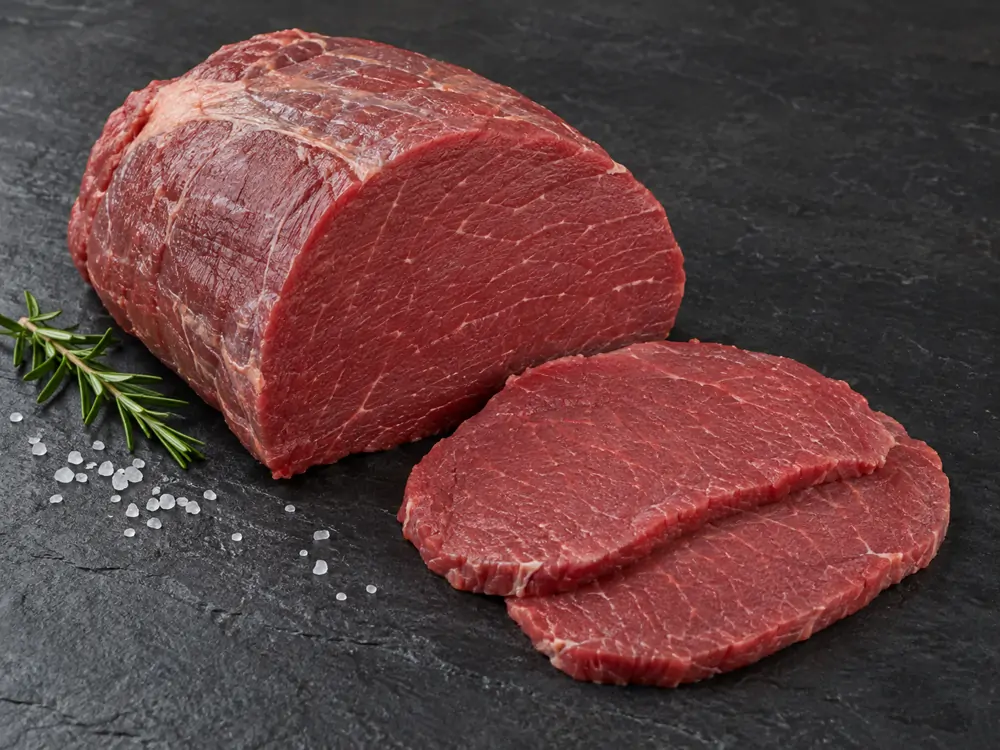
Inner hind-leg meat Top Round / Inside Round
Location: A large main muscle on the inside of the hind leg.
Features: Evenly cut, lean, high meat yield, suitable for bulk portioning.
Cooking: Thinly sliced after low-temperature roast, Japanese beef bowl or quick stir-fry.
8. Ground Beef|1 Category
Ground beef is not a single muscle; the fat ratio and raw cut directly affect juiciness, calories and usage.
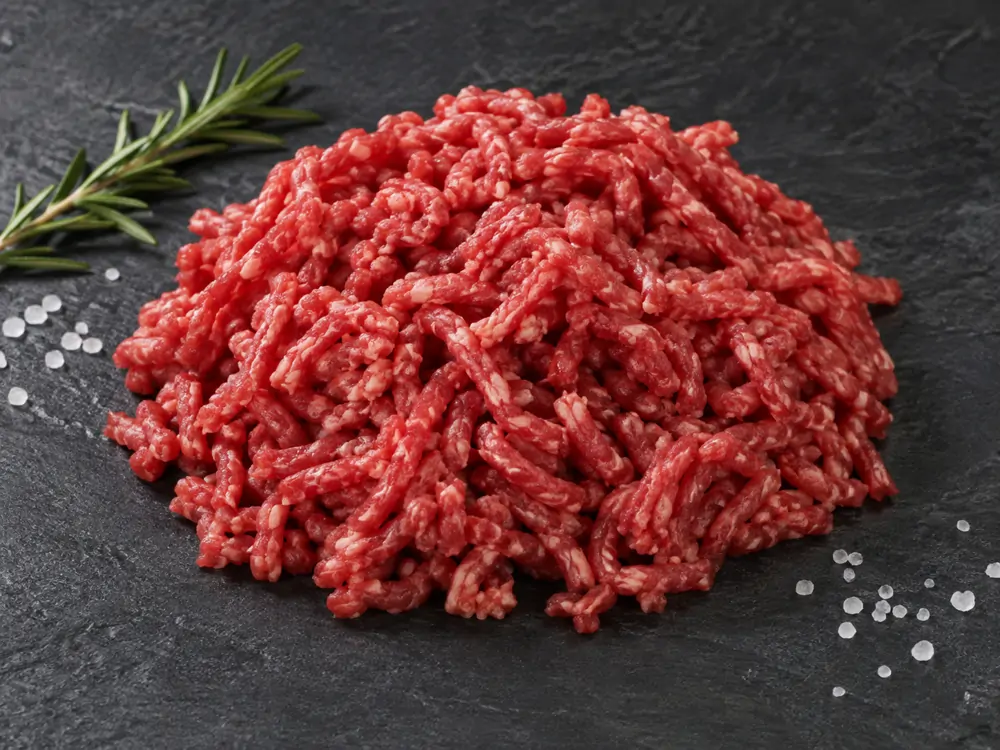
Minced beef Ground Beef
Source: Can be a blend of shoulder, round, trimmings or specified cuts.
Features: Higher fat ratio is usually juicier; choose according to the label for fitness meals.
Cooking: Burgers, bolognese, meatballs, fried rice; centre must be cooked through.
The cut diagrams in this section are AI-generated retail cut illustrations to help identify the shape; actual trimming, fat, thickness and bone shape may vary by origin and butcher specifications.
How to choose for fitness, muscle gain, fat loss and Meal Prep?
Want to control fat
Start with leaner options like beef fillet, top sirloin, chuck, round eye and top round. Actual fat and calories are based on the product nutrition label, trimming level and serving weight.
Want tasty and easy to cook
Ribeye, Denver steak, hanger steak and skirt steak have more pronounced flavour. Calculate sauces and cooking oil separately to avoid underestimating total meal calories by focusing only on the raw cut.
Want to prepare multiple meals at once
Whole beef fillet, top round, chuck, brisket plate and chuck heart are convenient for portioning. Weigh per meal requirement first, then chill or freeze; this is more consistent than portioning after cooking by eye.
Understand the cuts to choose more accurately for your next meal
From rich-flavoured hanger steak and short ribs to leaner ribeye and whole oyster blade, choose according to your cooking method and dietary goals.
 US Premium Hanger Steak|Rich Beefy Flavor
 Irish Short Ribs|Korean BBQ・Stew
 US Lean Ribeye 12oz|Fitness Meal
 Canada Whole Oyster Blade|One Piece, Many Meals
Beef Cut FAQ
Which beef cut is the tenderest?
Beef fillet (Tenderloin) is usually considered the tenderest; the cap of the ribeye is also very tender and has more marbling. For a more affordable option, look at petite tender and Denver steak.
For pan-frying steak, choose ribeye, sirloin or fillet?
Choose ribeye for marbling and aroma; choose sirloin for a balance of beef flavour and bite; choose fillet for tenderness and less fat. Thickness, thawing, surface dryness and doneness also affect the result.
Which beef cuts are suitable for stewing?
All parts of the front chest, shoulder blade, breast muscle, breast and belly short ribs, and rear leg beef shank are suitable. These cuts have more connective tissue and require moisture, time, and a gentler temperature to transform into a soft and tender texture.
Is fat loss strictly limited to beef fillet?
No. Beef chuck, rear eye muscle, top rear leg, top rear loin, and some shoulder lean meat can be considered. The key is to check the actual product label, trim visible fat, control portion size, and include sauces and cooking oil in the calculation.
How to thaw frozen beef safely?
The safest way is to thaw slowly in the fridge while still in the packaging; if in a hurry, use a sealed bag to soak in cold water and change the water regularly, or use a microwave to thaw and cook immediately. Do not leave at room temperature for several hours.
Why does flap steak and skirt meat become tough after frying?
A common reason is overcooking or cutting with the grain. These cuts have long and obvious muscle fibers. Sear quickly at high heat first, then rest, and finally slice thinly against the grain with a knife; the texture will be noticeably easier to chew.