 Skip to content
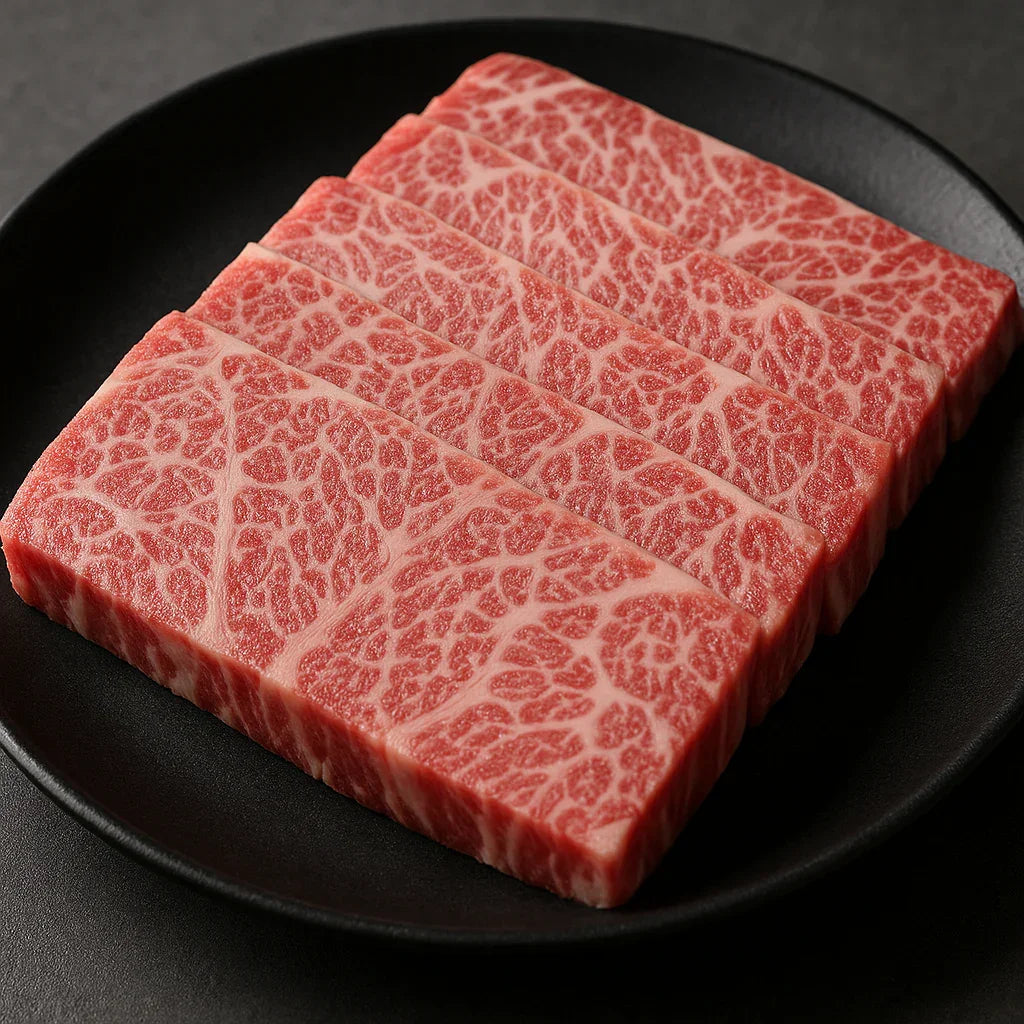


Spanish Country-Style Braised Beef Oyster Blade
Spanish Food · 110 mins · 2-3 Servings
Spanish Country-Style Braised Beef Oyster Blade
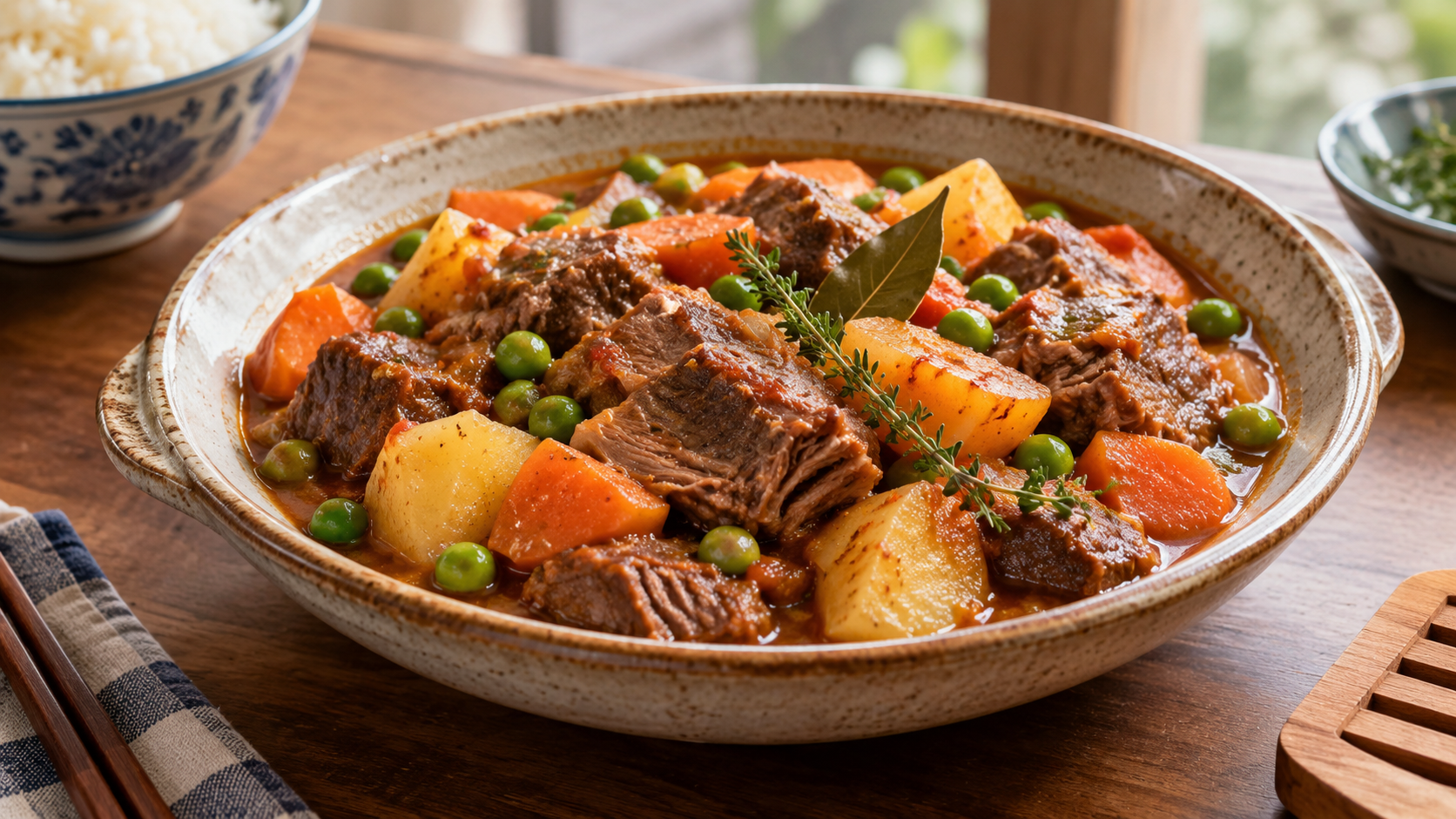
This Spanish home-style beef stew is inspired by the classic 'Ternera a la jardinera'. The focus is not on layering heavy sauces, but on building flavour step by step with seared beef, onion, carrot, tomato, white wine, and beef stock, finishing with green peas. Served with potatoes, it makes a complete home-style dish. Oyster Blade has a rich beefy flavour and distinct fibres; cutting it into chunks and slow-stewing at low temperatures allows the firmer texture to become tender, making it particularly suitable for this traditional Spanish stewing method.
Quick Answer
Thaw according to packaging instructions first; if there are no special requirements, it is recommended to thaw slowly in the refrigerator. Cut the beef Oyster Blade into chunks of about 3cm, pan-fry with olive oil until the surface is caramelised, then use the same wok to stir-fry the onions, garlic, and carrots, add tomatoes, white wine, and beef stock, cover and braise over low heat for about 75 to 90 minutes, and finally add the green beans to cook. The beef should be cooked until it is easy to insert a chopstick and the meat is tender; when using a thermometer, the minimum internal temperature of the beef should reach 63°C and rest for at least 3 minutes. Frozen meat should not be thawed at room temperature; actual thawing and heating should still prioritise the packaging instructions.
Ingredients
- Beef Oyster Blade 600g, cut into chunks of about 3cm after thawing
- 1 onion, diced
- Garlic 2 cloves, sliced
- 2 carrots, sliced into rounds approximately 1 cm thick
- 2 potatoes, cut into large chunks approximately 3 cm in size
- 120 g green peas
- 150 g tomato purée
- 120 ml dry white wine
- 350 ml low-sodium beef stock
- Extra Virgin Olive Oil 2 tablespoons
- Bay leaf 1
- Thyme 1 small sprig
- Salt ¾ teaspoon, adjust to taste of beef stock
- Cracked black pepper ½ teaspoon
Method
-
1. Safe thawing and handling of beef
First check the product packaging for thawing and heating instructions and follow them. If no specific requirements are stated, thaw the sealed beef in the refrigerator; to speed up the process, submerge the sealed package in cold water, changing the water every 30 minutes, and cook immediately after thawing. Pat the surface dry thoroughly with kitchen paper before cutting, then cut into chunks of approximately 3 cm and season with black pepper and a small amount of salt. Do not thaw at room temperature.
-
2. Sear the beef over high heat
Preheat a heavy-bottomed stew pot over medium-high heat and add olive oil. Add the beef in batches, searing for about 1 to 2 minutes per side until a distinct brown crust forms; the center does not need to be cooked through. If too much beef is added at once, the pan temperature will drop and the meat will release liquid instead of searing, so process in batches. Remove the beef and set aside.
-
3. Sauté the Spanish stew base
Reduce heat to medium and sauté the onions in the same pot for about 5 minutes until softened, then add garlic slices and carrots and sauté for about 3 minutes. Add tomato paste, bay leaves, and thyme, and cook for another 2 minutes until the tomato aroma becomes richer and thicker. This step is key to building the flavor of the stew sauce; there is no need to add a large amount of chili or complex sauces.
-
4. Deglaze with white wine
Return the beef and any released juices to the pot, pour in the white wine, and simmer over medium-high heat for about 3 to 4 minutes to evaporate the alcohol, while scraping up the browned bits from the bottom of the pot with a wooden spoon. Once the liquid has reduced slightly, add beef stock until it covers about 70% of the beef.
-
5. Simmer on low heat until tender
Once the liquid just begins to boil, immediately reduce the heat to low, maintaining a gentle simmer, and cover the pot to stew for approximately 60 to 75 minutes. Check the liquid level every 20 minutes; if the liquid is too low, add a small amount of hot beef stock. Do not rely solely on time to determine doneness: insert a chopstick or fork into the thickest piece of beef; it should penetrate relatively easily, with the fibers beginning to separate while the meat chunk retains its shape.
-
6. Add the potatoes and green peas
After adding the potatoes, keep the heat on low and braise for another 15 to 20 minutes, until the potatoes can be easily pierced with a fork. Finally, add the green peas and cook for about 4 to 5 minutes; adding the peas later helps retain their distinct sweetness and colour. If the braising liquid is too thin, uncover the pot and simmer over medium-low heat for another 5 to 8 minutes until slightly reduced.
-
7. Check doneness and serve
Adjust the salt and black pepper only after tasting. The centre of the beef should reach at least 63°C and rest for at least 3 minutes; since this dish is slow-braised to achieve tenderness, the actual temperature after braising will typically be higher than this safe minimum. After turning off the heat, let it rest for about 5 minutes to allow the braising liquid to re-coat the beef, then serve with the potatoes, carrots, and green peas.
Frequently Asked Questions
Is Oyster Blade suitable for Spanish Garden-Style Braised Beef?
Yes, it is suitable. Oyster Blade has more pronounced fibres, which aligns with the direction of Spanish 'Ternera a la jardinera', a home-style stew that pairs beef that withstands braising with vegetables like carrots and green peas. The key is to cut the meat into large chunks and braise over low heat; do not boil vigorously over high heat for a long time, as this can cause the juices to escape and result in a tough texture.
Does Oyster Blade have to be thawed before cooking?
If the packaging specifies a method, follow the package instructions first. Generally, thawing in the refrigerator is the safest option; if in a hurry, you can thaw sealed beef in cold water, changing the water every 30 minutes, and cook it immediately after thawing. Do not leave it to thaw naturally on the kitchen counter.
Why is Oyster Blade still chewy after cooking for a long time?
Oyster Blade contains more connective tissue, which requires time to soften slowly in a moist, hot environment. When braising, maintain low heat with only a gentle simmer in the pot; if the meat is not yet tender enough to be easily pierced with chopsticks, continue braising over low heat, increasing the time by about 15 minutes at a time and checking the liquid level.
Does Spanish Garden-Style Braised Beef have to use red wine?
Not necessarily. Spanish home versions do not have a single fixed recipe; the methods in the reference materials show that both white and red wine versions are used. The home-style version by RTVE uses white wine, while other Spanish recipes feature red wine. We chose white wine this time to preserve the fresh aromas of the beef, tomatoes, and vegetables, which is also more suitable for the taste preferences of Hong Kong families.
Can this beef stew be cooked a day in advance?
Yes, and the stewing liquid usually melds better. Do not leave it at room temperature for long after cooking; portion it out and refrigerate as soon as possible. When reheating, warm it over low heat in a pan until thoroughly hot throughout. If the liquid has thickened due to refrigeration, add a small amount of beef stock to adjust the consistency.