 Skip to content


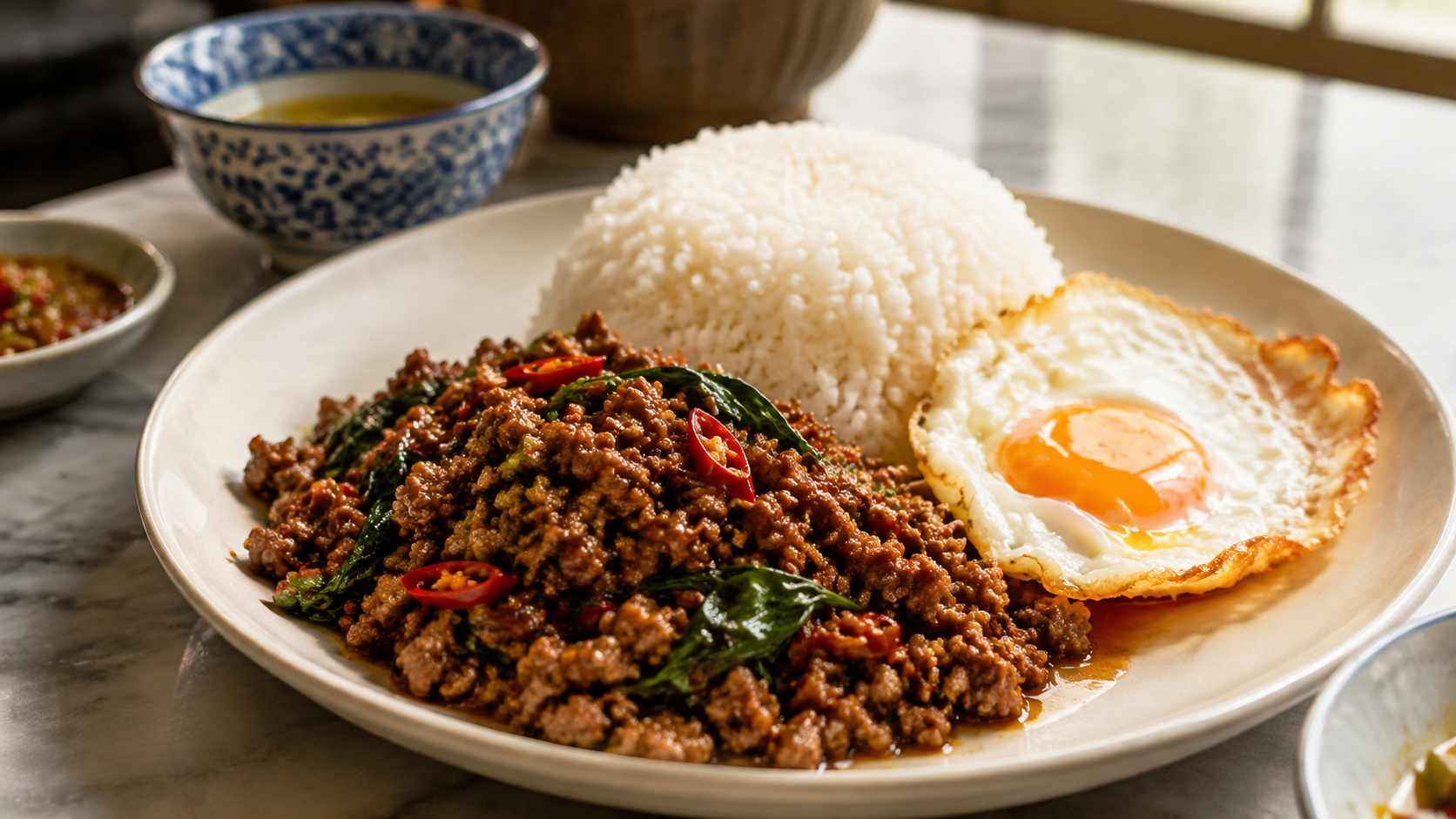
Thai Basil Stir-fried Minced Beef
Thai Cuisine · 30 mins · 2-3 servings
Thai Basil Stir-fried Minced Beef
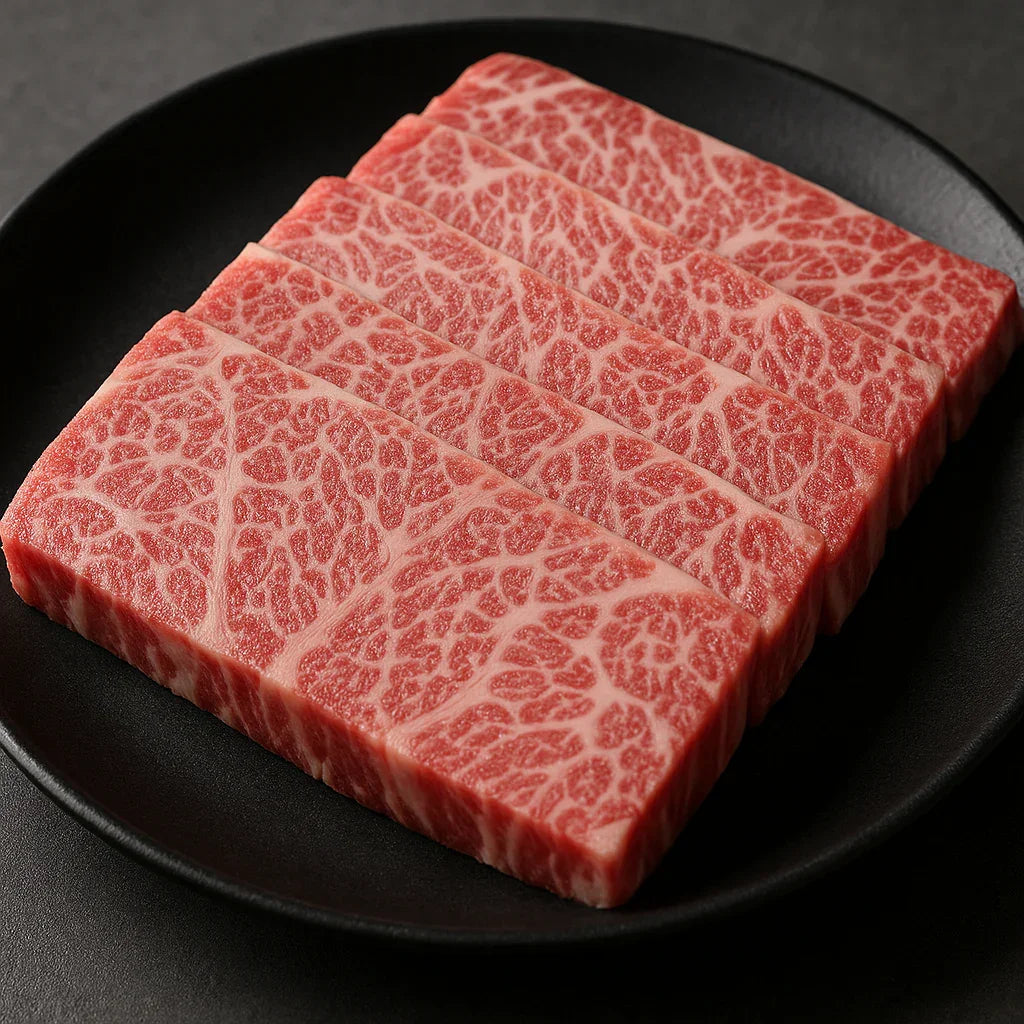
US Angus Minced Beef 80/20 is actually ground beef from the shoulder cut, with a fat ratio of approximately 20%. It has a richer meat aroma and a tenderer texture. Besides burgers, it is also very suitable for stir-fried meat dishes commonly found in Thai cuisine. After researching various Thai beef directions, we chose the classic Pad Kra Pao (Thai Basil Stir-fried Minced Beef) because the minced beef can fully absorb the aromas of garlic, chilli, fish sauce, and basil leaves, while the beef's own fat helps bring out the layers of spices. This version reduces the spiciness and sweetness, retaining the fresh, slightly spicy, and savoury characteristics of Thai cuisine, which better suits the everyday rice-accompanying tastes of Hong Kong families.
Quick Answer
This dish is best suited to the fat ratio of 80/20 Minced Beef. First, thaw in the refrigerator according to the package instructions, then stir-fry minced garlic, chilli, and basil leaves over high heat until fragrant. Add the minced beef and stir-fry until fully cooked. Finally, season with fish sauce, oyster sauce, and a small amount of sugar. Served with white rice, it becomes a Thai-flavoured dinner that is easy for Hong Kong families to accept.
Ingredients
- Minced Beef 450g (80/20 ratio preferred; thaw according to package instructions)
- Thai Holy Basil (Basil) Leaves 1 large bowl, approx. 25g
- Garlic 5 cloves, minced
- Red Chilli 2 pieces, chopped (reduce to taste)
- 1 green chilli, sliced
- 1/2 onion, finely diced
- 1.5 tbsp fish sauce
- 1 tbsp oyster sauce
- 1 tsp light soy sauce
- 1/2 tsp sugar
- 2 tbsp water
- Cooking oil 1 tbsp
- Steamed rice, to serve
Method
-
Prepare the beef and ingredients
Thaw the minced beef according to the package instructions. After thawing in the refrigerator, blot away any excess surface moisture with kitchen paper. Dice the garlic, chilli, and onion. Wash the basil leaves and drain them, then set aside.
-
Fry the aromatics over high heat
Preheat the wok over medium-high heat for about 1 minute. Add cooking oil, then stir-fry the minced garlic and chilli for about 30 seconds until fragrant but not burnt. Add the onion and stir-fry for about 1 minute.
-
Stir-fry the minced beef
Add the minced beef and stir-fry over high heat for about 5 to 7 minutes, breaking up the meat with a spatula until it turns completely from red to brown and the juices have evaporated. Ensure the beef reaches a safe internal temperature; avoid consuming undercooked minced beef.
-
Add the Thai flavours
Add fish sauce, oyster sauce, light soy sauce, sugar, and water. Continue stir-frying over medium-high heat for about 2 minutes until the sauce evenly coats the beef, leaving it slightly moist but not watery.
-
Finish with holy basil
Add the holy basil leaves just before turning off the heat or on low heat, and stir quickly for 20 to 30 seconds to preserve the aroma and vibrant green colour.
-
Serve and enjoy
Serve the Thai holy basil stir-fried minced beef with hot white rice. You can add a fried egg or cucumber slices according to preference to create a classic Thai rice meal combination.
Frequently Asked Questions
Can minced beef be used instead of the pork typically used in Thai Pad Kra Prow?
Yes. Thai Pad Kra Prow is commonly made with pork or chicken, but minced beef also pairs well with the core seasonings of garlic, chilli, fish sauce, and holy basil. An 80/20 beef ratio provides a richer meaty flavour.
How can I adjust the recipe for households in Hong Kong who prefer less spice?
You can reduce the number of bird's eye chillies or red chillies, keeping only the garlic and holy basil aromas. Balance the flavours with fish sauce and a small amount of sugar to maintain the Thai character.
How long should minced beef be cooked to be safe?
Minced beef must be cooked thoroughly and should not be served with varying degrees of doneness like a steak. It is safer to cook it until the entire mixture turns brown, with no pink meat particles remaining, and reaches a safe internal temperature for consumption.