 Skip to content
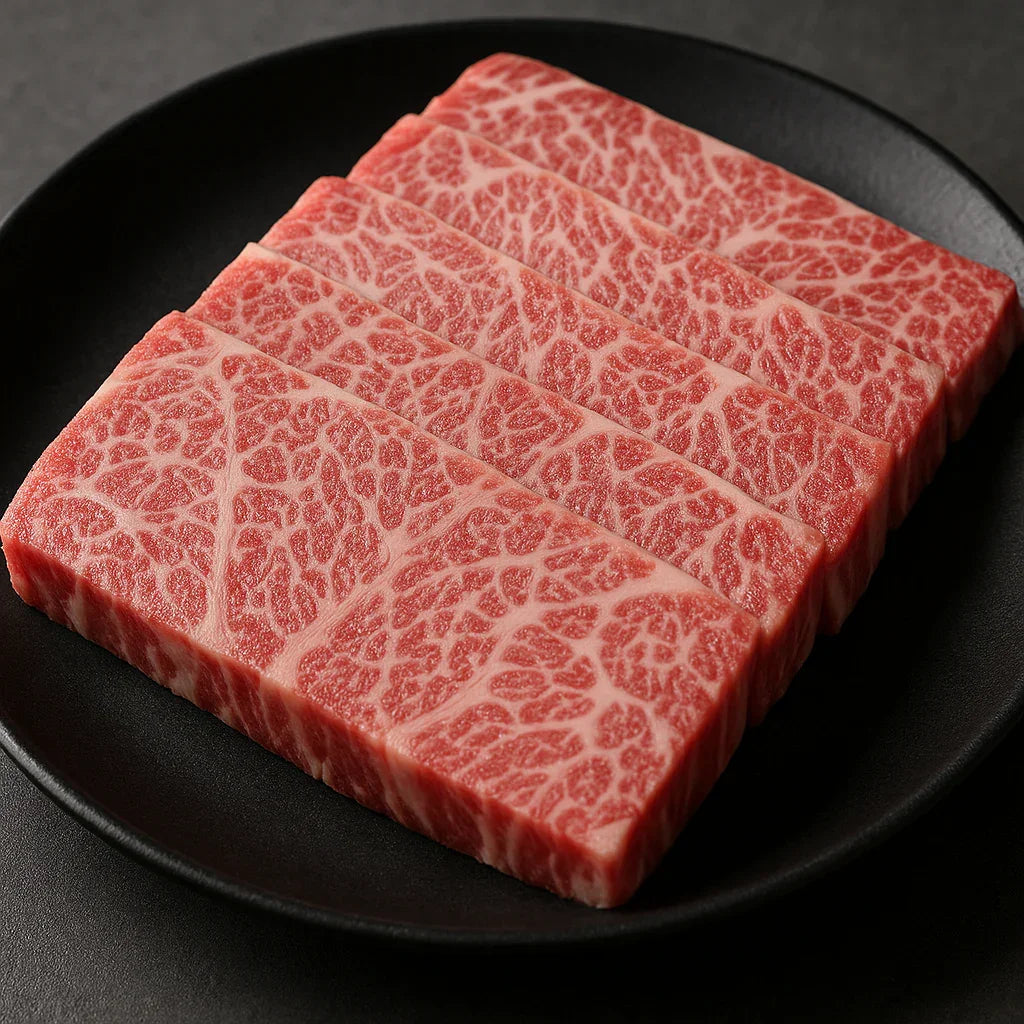


Korean-style pear-scented braised pork rib fingers
Korean cuisine · 95 minutes · Serves 2–3
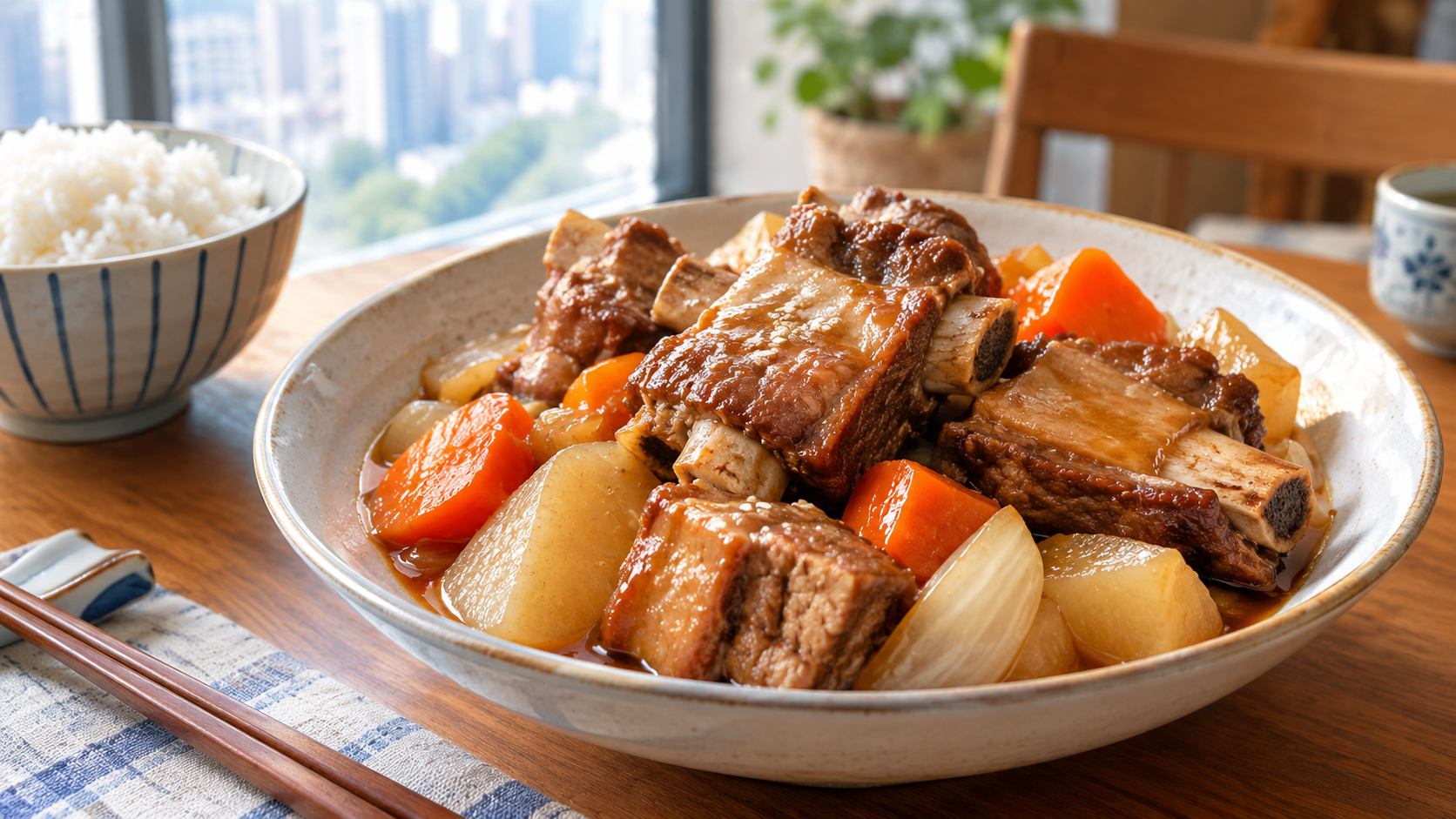
Korean-style Braised Pork Ribs with Pear
These pork ribs are best suited for Korean-style braised pork ribs (Dwaeji Galbijjim): it is not simply pouring Korean sauce over the pork, but first treating the blood water around the bones, then using pear and onion to bring out a natural sweet aroma, combined with soy sauce, garlic, and ginger for slow braising. The finished dish has tender meat and a salty, fragrant sauce with natural sweetness, which pairs especially well with white rice. Considering the taste preferences of Hong Kong families, this version deliberately avoids a heavy spicy route and reduces the sugar content, while retaining the layers of soy sauce, pear, garlic, ginger, and vegetables common in Korean braised ribs.
Quick Answer
First thaw the pork ribs according to the package instructions; if the package states no thawing is required, follow the package method. After thawing, soak in cold water to remove blood water, blanch and rinse clean, then season with pear, onion, soy sauce, garlic, and ginger. Add white radish and carrot and braise over low heat until the meat is tender, finally reducing the sauce until it coats the ribs thinly.
Ingredients
- Pork ribs 900g
- White radish 250g
- Carrot 120g
- Onion 1/2 piece
- Pear 1/2 piece
- Minced garlic 1 1/2 tablespoons
- Ginger 10g, sliced
- Korean soy sauce or light soy sauce 5 tablespoons
- Cooking wine 3 tablespoons
- Sugar 1 1/2 tablespoons
- Sesame oil 1 teaspoon
- Black pepper a pinch
- Water approx. 700ml
Method
-
Thawing and Soaking
Thaw frozen pork ribs according to package instructions; if the package specifies they can be cooked directly, follow the package method. After fully thawing, soak in cold water for about 30 minutes, changing the water once midway, then drain and set aside. If the product packaging has other thawing or washing requirements, follow the packaging first.
-
Blanching to Remove Impurities
Add sufficient water to a pot, bring to a boil over high heat, then add the pork ribs. Maintain high heat for about 5 minutes. Once blood foam appears on the surface, remove the ribs, rinse with clean water to wash away bone fragments and foam, and drain. This step also helps keep the sauce cleaner during subsequent braising.
-
Preparing the Korean Pear Aroma Seasoning
Grate or blend the pear and onion into a pulp, and mix with soy sauce, cooking wine, sugar, minced garlic, ginger, and black pepper. Pear and onion are important sources of sweet aroma in this Korean braised rib dish; there is no need to rely on large amounts of sugar for sweetness.
-
Braising the Pork Ribs First
Place the pork ribs in a heavy-bottomed pot, add the seasoning mixture and about 700ml of water. Bring to a boil over high heat, then reduce to medium-low heat, cover, and braise for about 35 minutes. Turn the ribs once or twice during this time to ensure even contact with the sauce; maintain a gentle simmer rather than a violent boil to keep the meat texture stable.
-
Adding Vegetables
Cut the white radish and carrot into large chunks of about 3 to 4 cm, and cut the onion into large pieces. Add to the pot. Continue braising over medium-low heat for about 20 minutes, until the white radish begins to turn translucent and a chopstick can be inserted while it still holds its shape.
-
Reducing Sauce and Infusing Flavor
Uncover and increase heat to medium. Continue cooking for about 10 to 15 minutes, stirring gently, until the sauce changes from watery to a consistency that coats the ribs thinly. Finally, stir in sesame oil, taste, and add a small amount of soy sauce if needed; do not reduce the sauce too dry.
-
Checking Doneness and Plating
Insert a food thermometer into the thickest part of the meat to confirm it has reached at least 63°C (145°F), and rest off the heat for at least 3 minutes; since this is a slow-braised dish, it is more ideal to judge completion by the meat easily separating with chopsticks and the meat near the bones being tender. Serve with hot rice.
Frequently Asked Questions
Can frozen pork ribs be cooked directly for Korean-style braised ribs?
Check the package instructions first. If the product requires thawing, fully thaw according to the package method before soaking and blanching; do not assume frozen products can be cooked directly. If the package clearly states no thawing is required, follow the package's heating method and time.
Must Korean-style pork ribs include chili paste?
Not necessarily. Korean-style braised pork ribs have spicy versions, as well as salty-sweet braised versions based on soy sauce. This recipe chooses the latter, building flavor with pear, onion, soy sauce, garlic, and ginger, which is more suitable for everyday meals in Hong Kong households.
Why should Korean-style braised ribs be blanched first?
Pork ribs contain bones and more connective tissue. Blanching first removes surface blood foam and bone fragments, resulting in a cleaner sauce after braising; Korean pork rib recipes also commonly include soaking or blanching as a preparation step.
How long should they be braised to be tender?
For this recipe's approx. 900g of ribs and medium-low heat setting, the total braising time is about 65 to 70 minutes, plus the sauce reduction time; actual time will vary depending on rib thickness, cookware, and heat. The most reliable judgment is that the white radish is tender but not falling apart, the meat can be easily separated with chopsticks, and doneness is confirmed with a food thermometer.