 Skip to content


Citrus Char-grilled Steak with Grilled Cactus
Mexican cuisine · 40 minutes · Serves 2 to 3
Citrus Char-Grilled Steak with Grilled Cactus
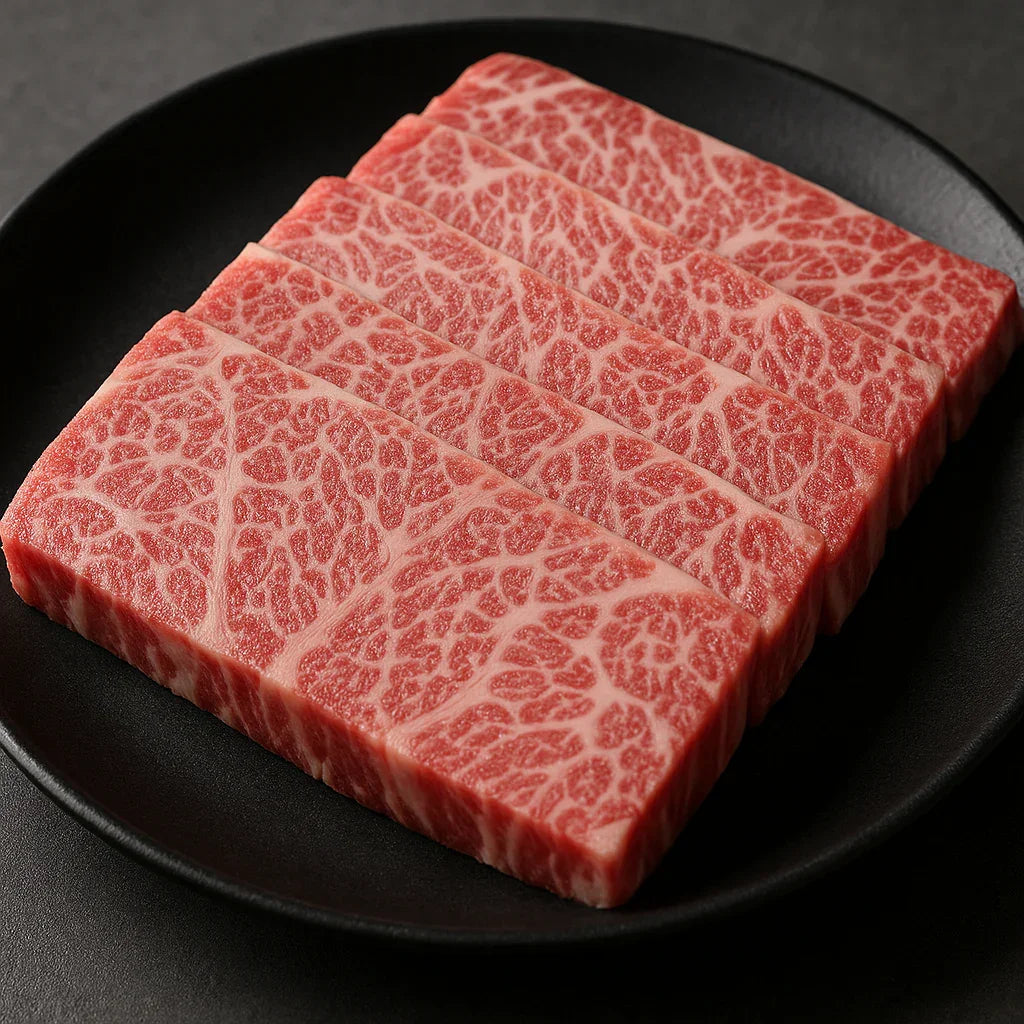
Hanger Steak is a highly flavoured cut located near the short plate of the cow's belly. It has a strong beef flavour and coarser fibres, making it suitable for marinating and quick high-heat searing; trimming the central connective tissue also helps improve the texture. This follows the common Mexican arrachera/carne asada approach, where the focus is not on a heavy sauce, but on the citrus aroma and charred flavour brought out by lime, orange, garlic, oregano, cumin, and chilli, served with simple sides like grilled onions and cactus. This recipe retains that flavour framework but reduces the chilli and oil to suit Hong Kong household tastes, and uses a frying pan instead of a charcoal grill, while still aiming for a charred surface and juicy beef.
Quick Answer
This item is actually a whole raw Hanger Steak (also known as hanging steak or flank steak), suitable for preparation in the style of carne asada, common in northern Mexico. First, thaw according to the packaging instructions; if no specific instructions are given, it is recommended to thaw in the refrigerator in its original packaging until the centre is completely soft. Pat dry, then marinate with lime, orange juice, garlic, Mexican oregano, cumin, and a small amount of chilli. Sear over high heat until the surface is charred, and serve with grilled cactus slices and onions. The thickest part of the steak should be checked with a food thermometer to ensure it reaches at least 63°C, then rest for at least 3 minutes after removing from heat.
Ingredients
- Whole Hanger Steak beef, approx. 500 to 600g
- Lime juice, 2 tablespoons
- Fresh orange juice, 2 tablespoons
- Garlic, 3 cloves, minced
- Mexican oregano or dried oregano, 1 teaspoon
- Ground cumin, 1/2 teaspoon
- Chilli powder, 1/4 teaspoon, increase to taste
- Vegetable oil, 1 tablespoon
- Salt, approx. 1 teaspoon
- Black pepper, 1/2 teaspoon
- Cactus slices, 2 to 3, cleaned after removing spines
- Red onion, 1/2, cut into thick slices
- Fresh coriander, a small amount
- Lime wedges, as needed
Method
-
First, safely thaw and trim
For frozen beef, prioritise the thawing method and storage instructions on the packaging; if no specific instructions are given, place it in the refrigerator in its packaging to thaw until the centre is completely soft. After thawing, unwrap, pat dry the surface moisture, locate the obvious connective tissue along the centre of the meat, and trim it away as much as possible. Do not leave it at room temperature for a long time.
-
Prepare the citrus marinade
Mix the lime juice, orange juice, minced garlic, oregano, cumin, chilli powder, vegetable oil, salt, and black pepper. This combination is derived from the common citrus, garlic, and spice direction of Mexican arrachera/carne asada; the amount of chilli is deliberately restrained to retain the aroma without being too pungent.
-
Marinate the beef
Place the beef in the marinade, rub thoroughly, cover, and marinate in the refrigerator for about 1 to 2 hours. Do not soak overnight, as the acidic juice will gradually change the texture of the beef's surface. Remove before cooking, wipe off excess marinade to prevent the liquid from hindering the formation of a charred crust.
-
Prepare the cactus and onions
Remove spines from the cactus slices and pat dry; cut the onions into slices approx. 1cm thick. Preheat the pan over medium-high heat. First, dry-fry the cactus and onions for about 2 to 3 minutes per side, until distinct char marks appear and the cactus softens, then remove. If the cactus releases slime, fry for a bit longer until the moisture evaporates.
-
Sear the steak over high heat
Heat the pan until very hot, place the beef in, and do not move it frequently. Sear over high heat for about 3 to 5 minutes, then flip and sear for another 3 to 5 minutes; adjust the actual time according to the thickness of the beef. The goal is to form a deep golden-brown charred crust on both sides while keeping the centre moist.
-
Check doneness and rest
Insert a food thermometer into the thickest part of the beef to confirm the centre reaches at least 63°C, then remove from heat and rest for at least 3 minutes. If the beef packaging indicates it has been mechanically tenderised, or specifies a different heating temperature, the packaging requirements should take priority. Use different cutting boards and utensils for raw and cooked beef to avoid cross-contamination.
-
Slice against the grain and plate
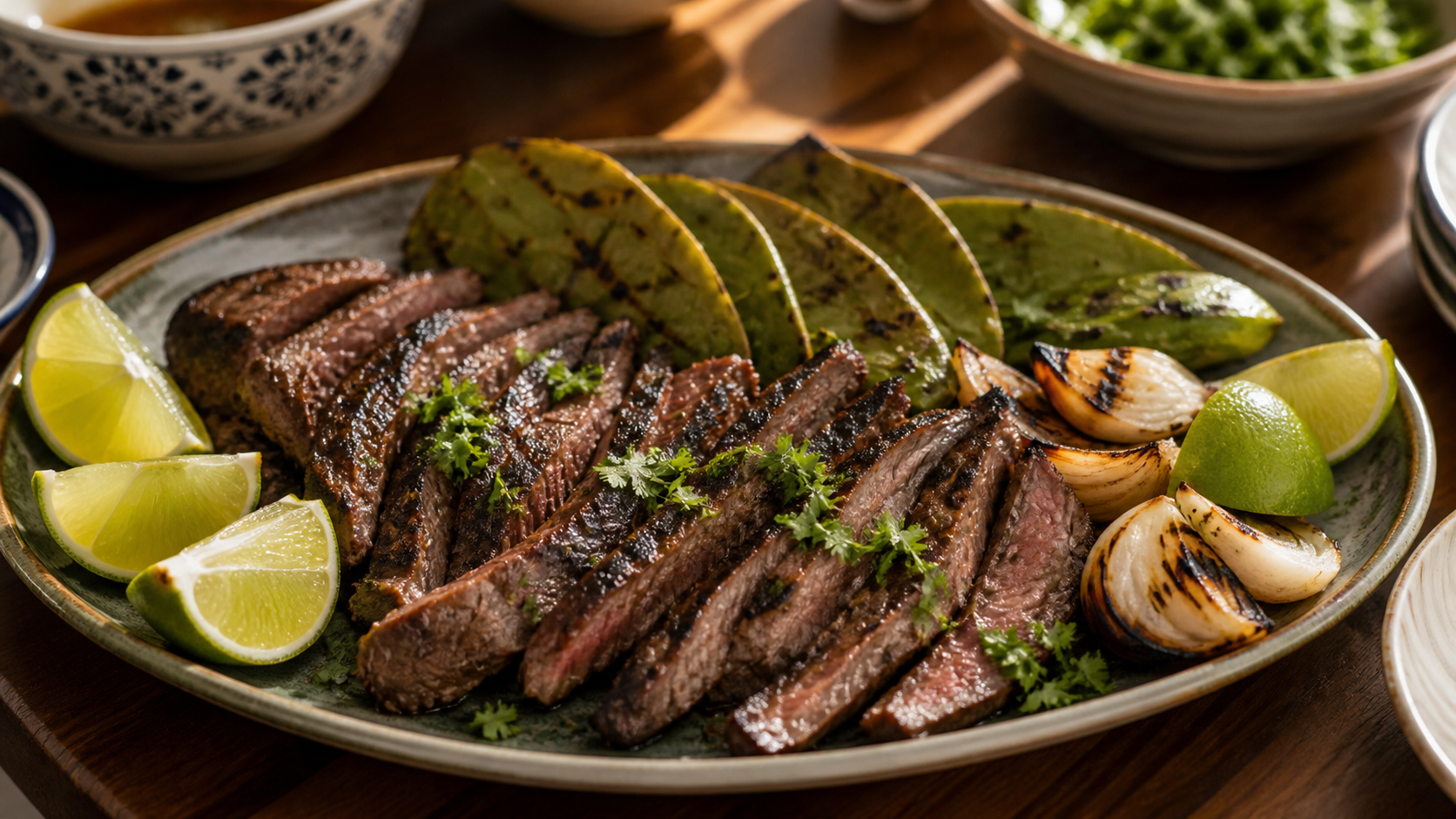
After resting, observe the direction of the meat fibres, then slice thinly against the grain. Serve with the charred onions and grilled cactus, sprinkle with a small amount of coriander, and finally squeeze over lime juice. When eating, let the citrus aroma, beef char, and refreshing texture of the cactus come together in the mouth; this highlights the beef flavour of the Hanger Steak better than pairing it with a heavy sauce alone.
Frequently Asked Questions
Are Hanger Steak and Mexican arrachera the same cut?
They are not exactly the same standard cut name. Hanger Steak is a hanging steak near the short plate, belonging to an independent cut; arrachera in Mexican recipes usually refers to skirt steak types. Both are cuts with strong beef flavour suitable for marinating and high-heat searing, so this recipe borrows the flavour and technique of arrachera/carne asada to prepare the Hanger Steak, rather than treating the two names as completely synonymous.
Why must Hanger Steak be sliced against the grain?
The muscle fibres in this cut are quite distinct. Slicing against the grain shortens the long fibres, making it significantly easier to chew. Confirm the fibre direction before cutting, and slice thinly; there is no need to chop it too finely.
If cactus is unavailable in Hong Kong, what can be used as a substitute?
Cactus is a common side dish for Mexican grilled meat, and using edible cactus slices is still ideal. If it is difficult to find in Hong Kong households, green peppers or sweet peppers can be used instead, but the taste will shift from a traditional Mexican side to a more homely substitute version; the citrus, garlic, and char-grilling technique for the beef itself can still be retained.
Can the beef be seared immediately after thawing?
The premise for searing directly is that the product packaging explicitly permits this method; otherwise, follow the packaging instructions. For a whole frozen Hanger Steak, the safer method is to thaw in the refrigerator until the centre is completely soft, then pat dry the surface, which makes it easier to sear an even charred crust.
How cooked should the steak be to be safe?
FoodSafety.gov states that the minimum safe internal temperature for whole beef cuts such as steaks is 63°C, and it must be rested for at least 3 minutes. Do not rely solely on meat colour; it is best to measure the thickest part with a food thermometer. If the packaging specifies different heating requirements, follow the packaging instructions first.