 Skip to content

How to compare instant noodles for fitness and fat loss? Should a cup with 32g protein and 227kcal be included in a meal?
Popular Questions Answered
How to compare instant noodles for fitness and fat loss? Should a cup with 32g protein and 227kcal be included in a meal?
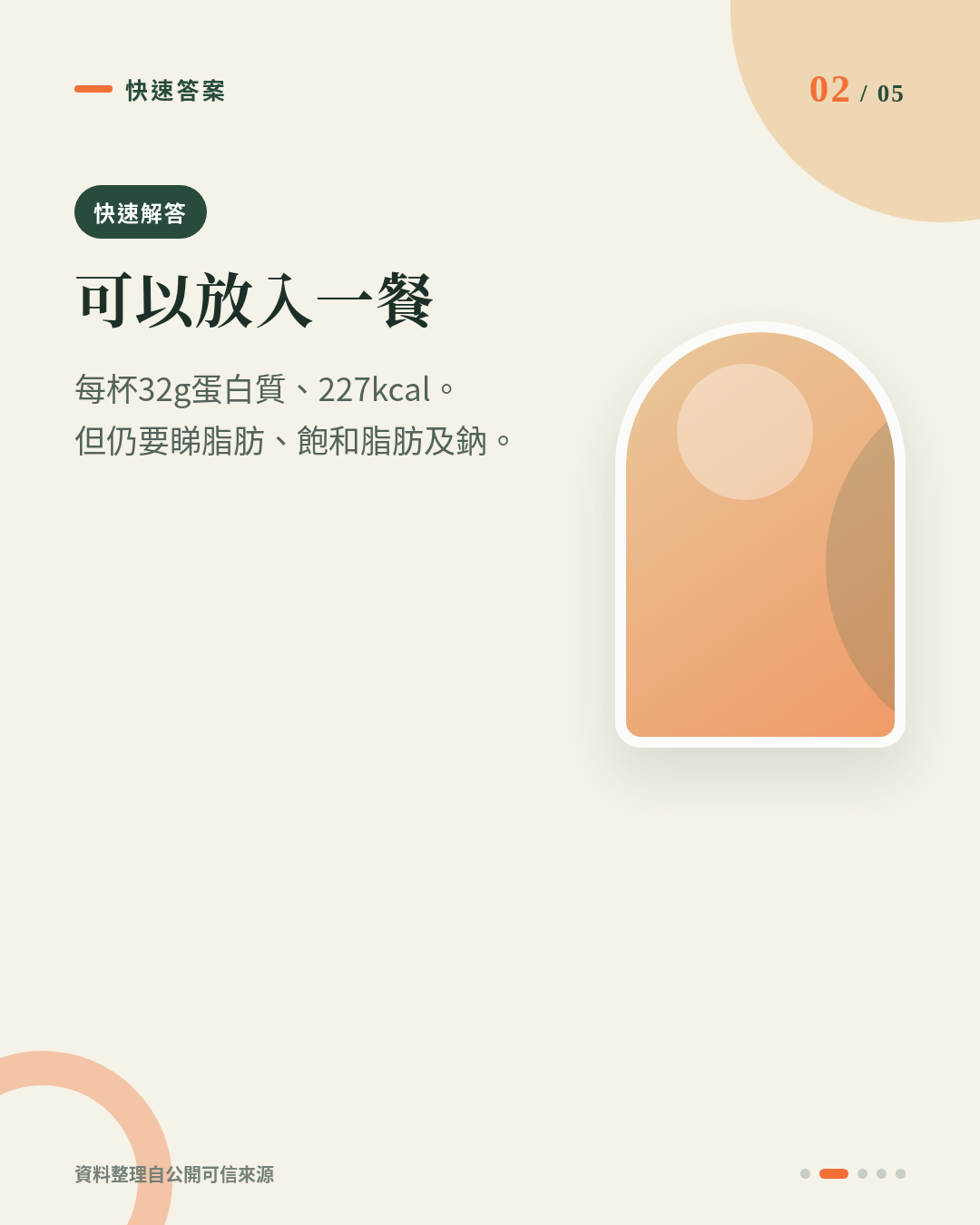
It can be included in a meal, but you should not just look at the '32g protein' figure. To judge whether a high-protein cup noodle is worth eating, you should compare protein, energy, total fat, saturated fat, and sodium simultaneously, and use the same reference amount. ChamProtein® 32g Protein High Protein Beef Flavour Cup Noodle provides 32g protein and 227kcal per cup; regarding product values for per 100g, saturated fat, and sodium, existing data does not provide them, so you cannot estimate or directly determine its overall nutritional performance based on this.
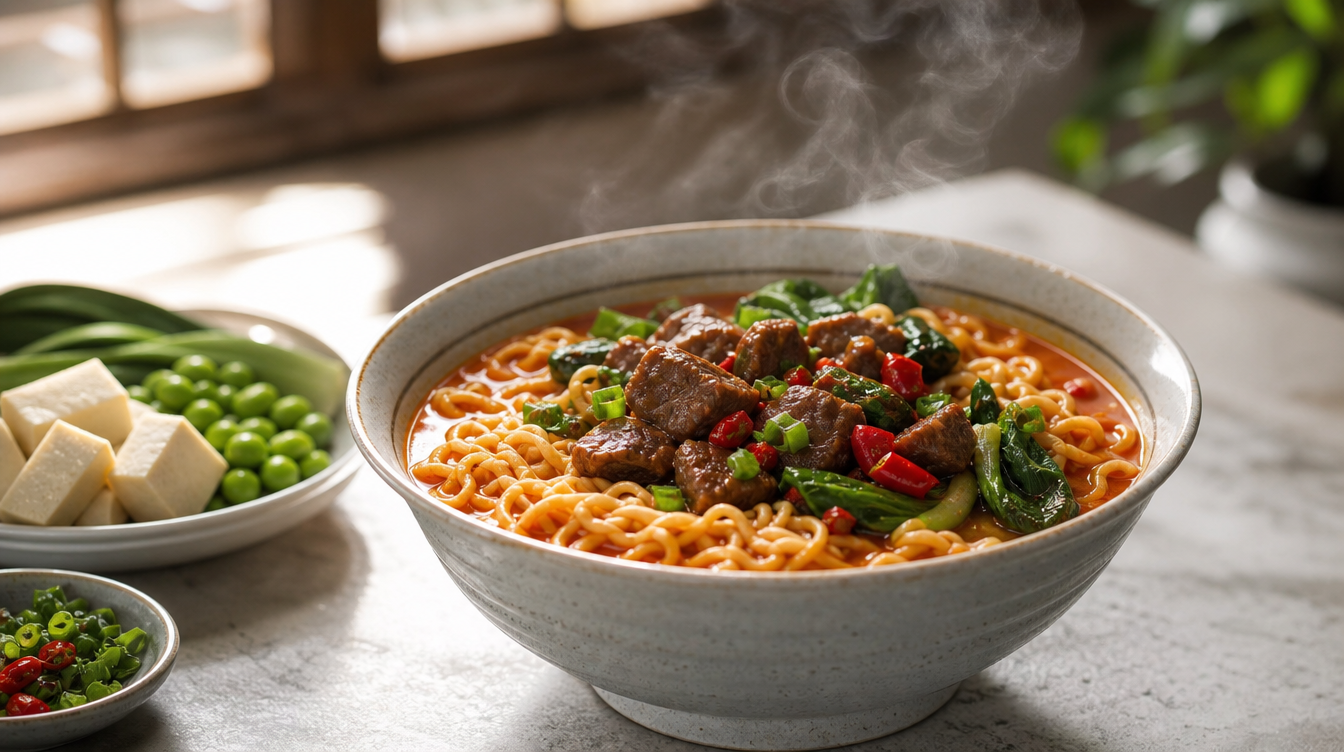
Illustrated Key Points
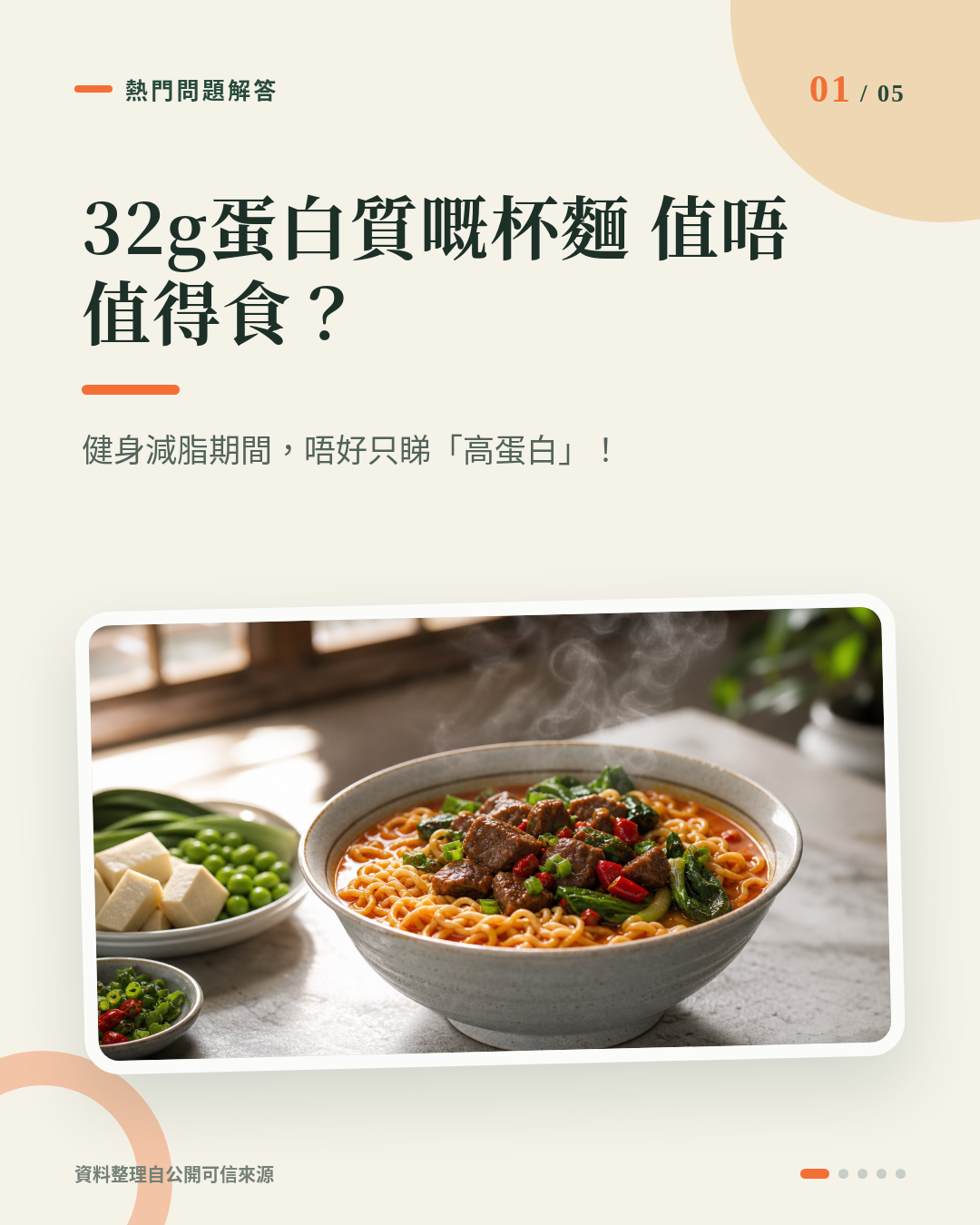
For those doing strength training, building muscle, or cutting fat, the biggest issue with instant noodles is usually not 'can I eat them?', but how to account for protein, calories, fat, and sodium in a meal. High-protein cup noodles can indeed be a convenient meal option, but 'high-protein' does not mean that other nutritional indicators are necessarily lower. The most practical approach is to first convert the nutritional data of different products to a common standard, then judge based on your daily dietary goals.
1. When comparing high-protein cup noodles, the first step is to standardise the nutritional label metrics
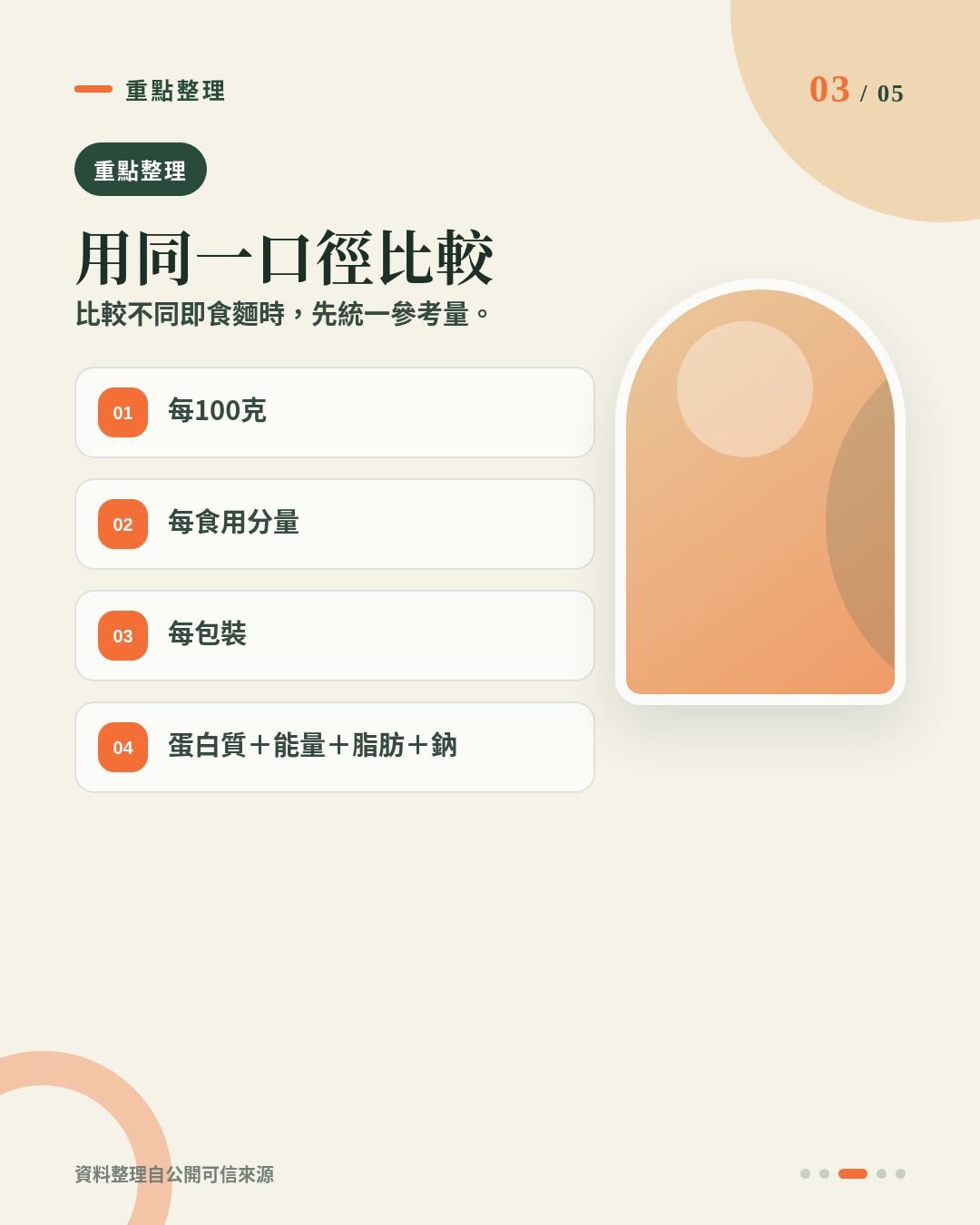
The Centre for Food Safety points out that nutritional information for pre-packaged foods can be labelled per 100g, per serving, or per package. When comparing different foods, the same reference amount should be used, otherwise it is easy to confuse the figures for one cup, one serving, and 100g. citehttps://www.cfs.gov.hk/tc_chi/faq/faq_14.html
- Per 100g: Suitable for comparing foods of different weights and brands.
- Per serving: Closest to the actual amount consumed in a daily meal.
- Per package: Most convenient for judging how much nutrition is consumed after eating the whole cup or package.
2. Look at protein first, then see if 227kcal fits your meal
ChamProtein® 32g Protein High Protein Beef Flavour Cup Noodle indicates 32g protein and 227kcal per cup, with a net weight of 62g. Just from these two items, you can know it provides relatively clear protein and energy information; however, whether it is suitable for muscle building or fat loss still needs to be placed back into your whole day and that meal's dietary arrangement, and not judged solely by '32g'. Product data does not provide complete nutritional data per 100g, so other nutritional items should not be calculated by yourself.
- Muscle building: You can count the 32g protein into the protein intake of that meal.
- Fat loss: 227kcal should also be counted into the total daily calories, not treated as extra free calories.
- Meal Prep: The convenience lies in the fixed portion per cup, making it easier to record the intake of a meal.
3. Fat, saturated fat, and sodium, should not be ignored either
When comparing ordinary instant noodles with high-protein cup noodles, you cannot just compare protein. Total fat, saturated fat, and sodium should all be checked together. Existing product data only provides 32g protein, 227kcal, and 62g net weight, and does not provide values for total fat, saturated fat, and sodium, so currently it is not possible to reliably say that this product is necessarily lower in fat or sodium than ordinary instant noodles.
- High protein does not mean fat is necessarily low.
- Lower calories do not mean sodium is necessarily lower.
- When there is no label data, do not substitute ordinary instant noodle values into this product.
4. How should ordinary instant noodles be compared with high-protein cup noodles?
The fairest method is to put the nutrition labels of the two products on the same table, then look at per 100g, per serving, and per package respectively. Hong Kong dietary information also often discusses fat loss scenarios from the angles of instant noodle type, cooking method, and protein pairing, but actual judgment should still be based on the product's own nutrition label. citehttps://www.hk01.com/%E6%95%99%E7%85%AE/630790/%E6%B8%9B%E8%82%A5-%E5%90%83%E5%8D%B3%E9%A3%9F%E9%BA%B5%E5%AE%B9%E6%98%93%E8%82%A5-%E7%87%9F%E9%A4%8A%E5%B8%AB%E6%95%99%E5%90%83%E5%B0%8D%E9%BA%B5%E9%A1%9E-%E9%A3%9F%E9%A3%9F%E9%A0%86%E5%BA%8F%E5%87%8F%E8%84%82%E8%82%AA%E5%9B%A4%E7%A9%8D
- Column 1: Protein — per 100g, per serving, per pack.
- Column 2: Energy — compare how many kcal are actually consumed in a meal.
- Column 3: Total fat and saturated fat — avoid ignoring fat just because the protein is high.
- Column 4: Sodium — pay particular attention to the actual intake after consuming the entire cup.
- Specific figures for ordinary instant noodles are not provided, so no fictitious comparison will be made.
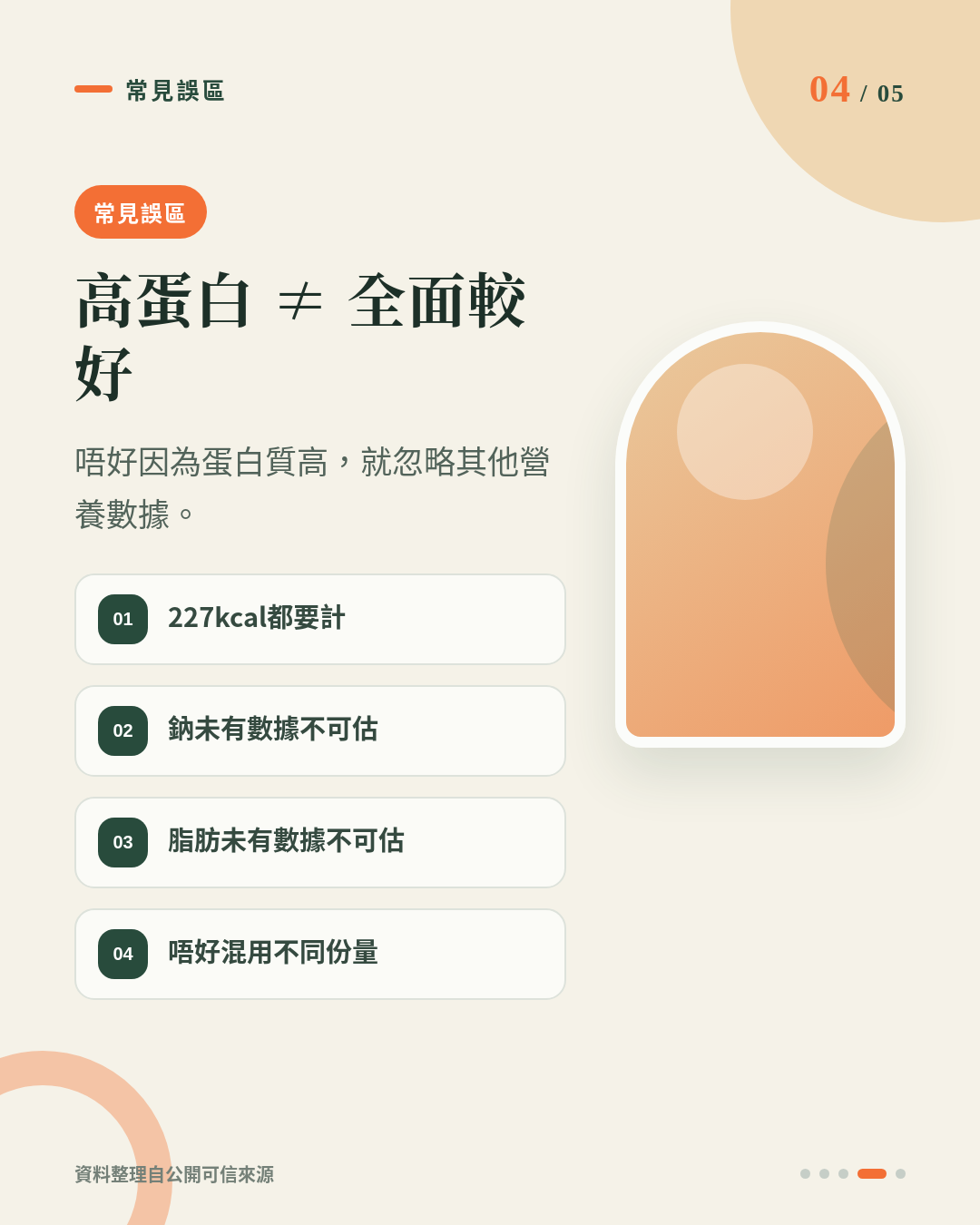
5. Common misconceptions: 32g protein does not mean a meal is already 'perfect'
32g protein can be a convenient protein source, but whether a meal is suitable still depends on your other food for the day, total calories and overall nutritional arrangement. During fat loss, it is especially important to remember that 227kcal is still an energy intake; during muscle gain, it also does not mean that as long as protein is sufficient, other foods can be ignored.
- Misconception 1: Assuming all nutritional indicators are better just because it says '32g Protein'.
- Misconception 2: Comparing only the per-cup figures while ignoring that different products have different serving sizes.
- Misconception 3: When cutting fat, focusing only on protein and forgetting to calculate the 227kcal.
- Misconception 4: Speculating that a product is low in sodium without sodium data.
- Misconception 5: Applying the nutritional figures of regular instant noodles to a different product.
6. Actual judgment: Is a cup of 32g protein worth putting into a meal?
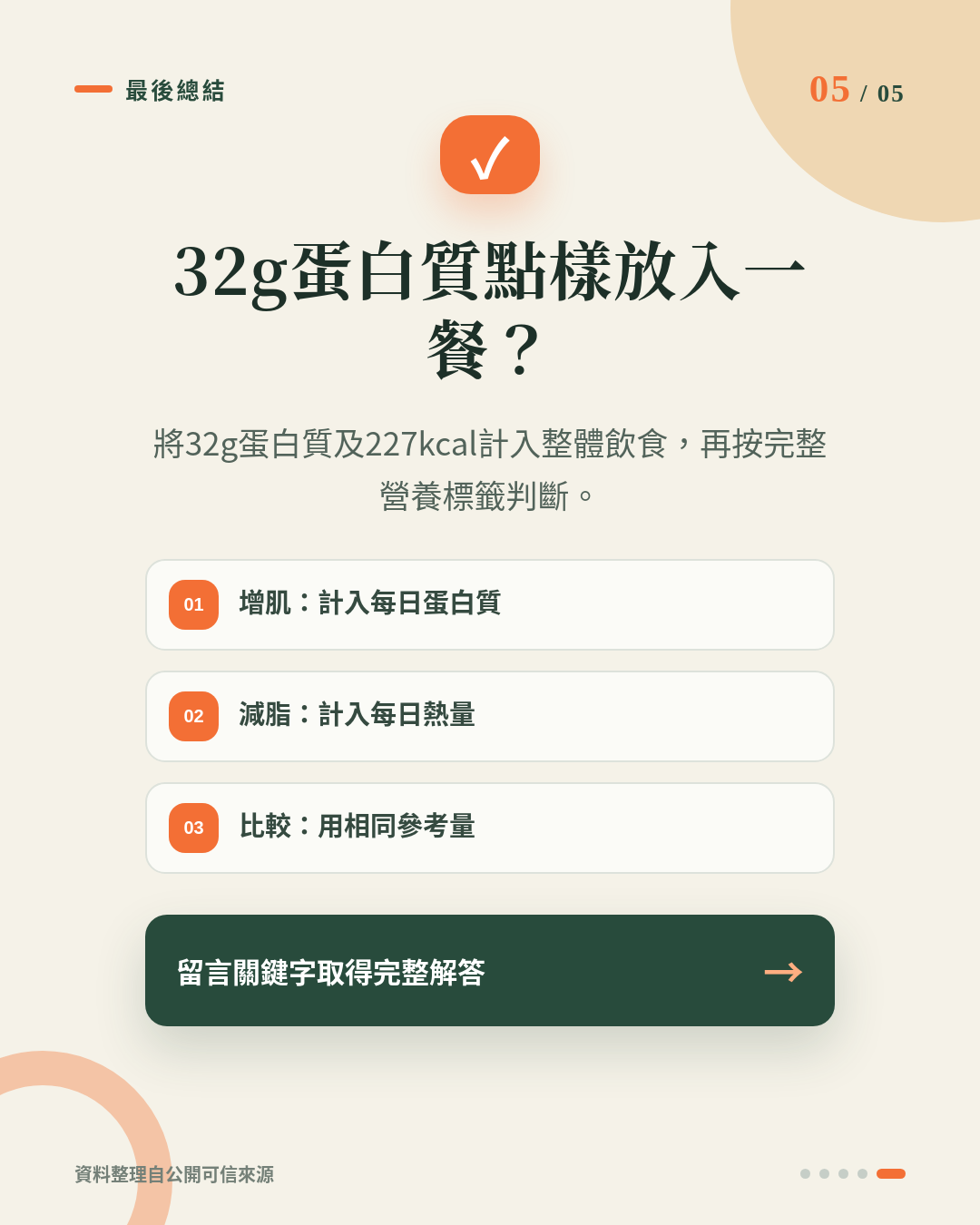
If your goal is to conveniently increase the protein of a meal, this product indicates 32g protein per cup, and 227kcal per cup, so it can be calculated as a fixed-portion protein source. For those on a fat loss diet, the key is to include 227kcal in the daily calories; for those on a muscle gain diet, 32g protein can be included in the daily and per-meal protein arrangement. As for fat, saturated fat and sodium, existing data does not provide information, so you should first check the product's full nutrition label for a more complete comparison.
- Want convenient calculation: Use 'per cup' as the actual meal unit.
- Want to compare brands: Require all products to use the same reference quantity.
- Want fat loss: First include 227kcal in the daily calorie budget.
- Want muscle gain: Include 32g protein in the daily protein intake.
- Want a complete assessment: Supplement by checking total fat, saturated fat and sodium.
7. How to add high-protein cup noodles to your daily diet?
The main selling points of ChamProtein® 32g Protein High Protein Beef Flavour Cup Noodles are the fixed cup portion and the indication of 32g protein and 227kcal, making it suitable as one of the choices for those needing quick meals or Meal Prep arrangements. Before purchasing, it is still recommended to judge based on your own daily calorie and protein needs, as well as the complete nutrition label on the packaging.
- Post-workout: You can count a cup towards the protein and calories of that meal.
- Office or out: The cup format makes it convenient to control the single serving portion.
- Meal Prep: You can pre-calculate the 32g protein and 227kcal provided by a cup.
- If you want to control sodium or fat: Check the relevant nutrition label values before purchasing.
Frequently Asked Questions
Is 32g protein considered high?
Based on the packaging information for this product, it indicates 32g protein per cup. Whether it is sufficient or suitable for your meal depends on your personal daily protein goal and other food intake; it cannot be judged by a single number.
Can I eat 227kcal high-protein cup noodles during fat loss?
You can include it in your diet plan, but 227kcal still needs to be included in the total daily calories. Fat loss is not simply avoiding a certain type of food, but calculating based on the overall diet arrangement and personal goals.
Are high-protein cup noodles definitely lower in fat and sodium than ordinary instant noodles?
You cannot assume that. This product's existing data does not provide values for total fat, saturated fat and sodium, and specific product data for ordinary instant noodles is also not provided, so a reliable numerical comparison cannot be made.
When comparing instant noodle nutrition labels, should I look at per 100g or per cup?
Both have their uses. Per 100g is suitable for comparing different products; per serving or per packaging is closer to actual daily consumption. The Centre for Food Safety also points out that the same reference quantity should be used when comparing different foods.
Can a cup of 32g protein be considered a complete meal?
You cannot judge it as a complete meal just because the protein reaches 32g. You also need to consider energy, fat, saturated fat, sodium, and the overall arrangement of your other food for the day.