 Skip to content


Is Pacific Saury High in Nutritional Value? A Comparison of Oily Fish Like Salmon and Mackerel to Help You Choose the Right Seafood for Home Cooking
Popular Questions and Answers
Is saury high in nutritional value? A comparison of oily fish such as salmon and mackerel to help you choose the right everyday seafood
Saury is an oily fish containing natural fats and Omega-3 fatty acids, making it one of the fish sources in daily diets. Compared to the richer oil content of salmon and the stronger flavour of mackerel, saury excels in its aromatic fish taste and tender texture, with prices and cooking methods that are also more suited to everyday household needs.
Key Points Illustrated
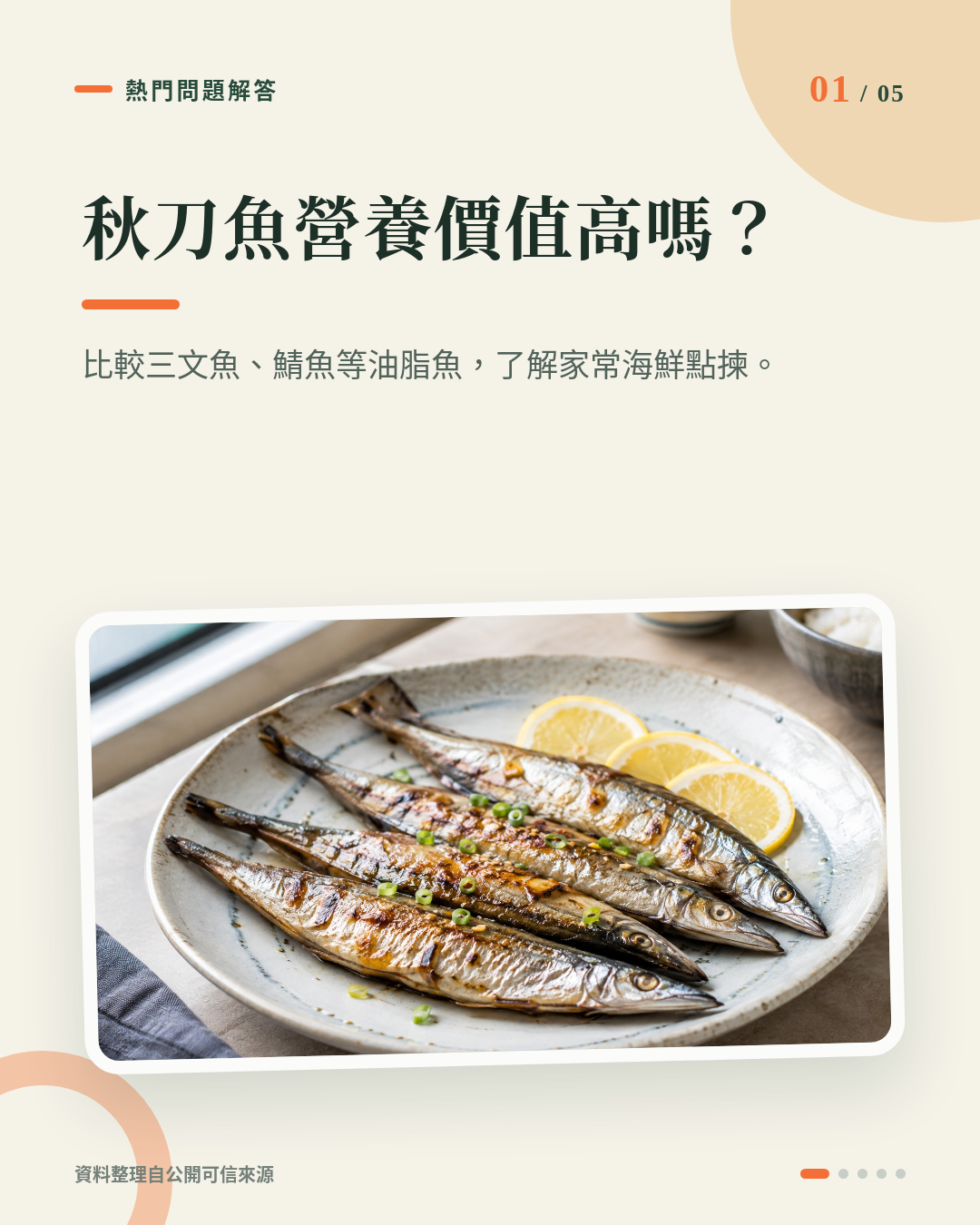




When choosing seafood, Hong Kong households consider not only nutrition but also flavour, price, convenience, and cooking methods. Saury, salmon, and mackerel are all common oily fish, each with its own characteristics; there is no single fish species that is definitively the best. Understanding fat sources, texture, and suitable cooking methods allows you to make choices based on your household's needs.
What are the nutritional characteristics of saury?
Saury is a fish with relatively high oil content. Its flesh contains fat, and oily fish are typically one of the sources of Omega-3 fatty acids in the diet. Actual nutritional content is influenced by fish species, season, origin, and processing methods, so it cannot be judged by the fish name alone.
- The oil provides a richer fish aroma and a smooth, tender texture
- Provides protein and natural fish nutrition
- Cooking methods affect overall fat and calorie intake
What are the differences between saury, salmon, and mackerel?
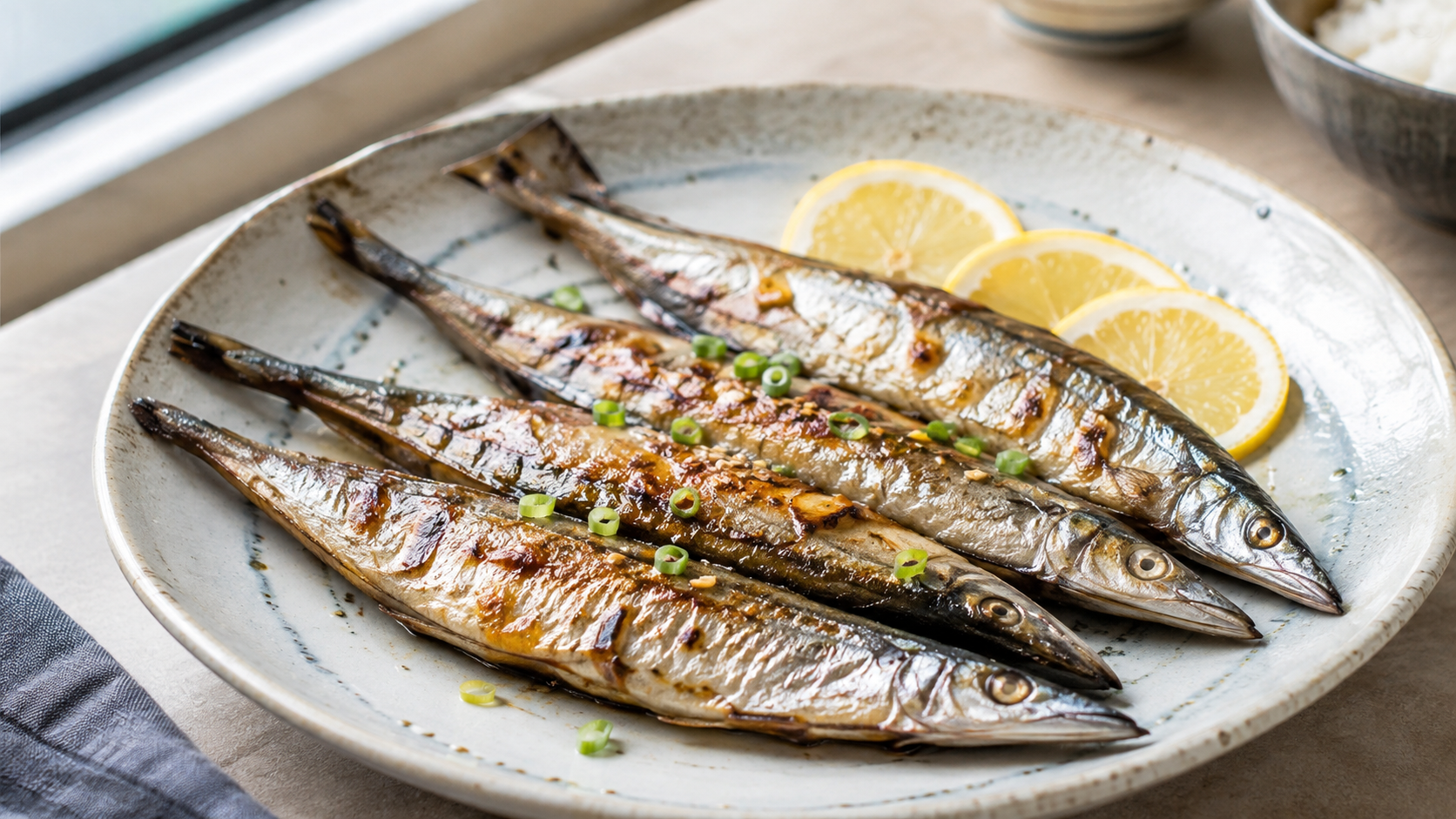
All three are oily fish, but they differ in flavour and dining context. Salmon has a thicker texture and is commonly used in sashimi and pan-fried or baked dishes; mackerel has a distinct oily feel and a more prominent fish flavour; saury has a slender body and a strong, aromatic fish taste, making it suitable for salt-baking, pan-frying, and air-frying.
- Saury: Distinct fish flavour, suitable for quick home cooking
- Salmon: Richer texture, versatile in cooking
- Mackerel: Stronger oily feel, suitable for those who prefer a rich fish flavour
How should Hong Kong households choose oily fish?
When choosing oily fish, consider your household's taste preferences, cooking time, and budget. If you want to prepare dinner quickly on weekdays, choose fish that is easy to handle and suitable for various cooking methods; if you prefer traditional seafood flavours, saury is a familiar choice for many households.
- Salt-baking can highlight the natural aroma of saury
- Pan-frying or air-frying is suitable for busy daily routines
- Charcoal grilling can add a smoky, charred flavour to the fish flesh
Common precautions for consuming and storing saury
Frozen seafood should be handled according to the storage and cooking instructions on the product packaging. After thawing, it should be stored properly to avoid prolonged exposure to room temperature. Whether fish is suitable for consumption also depends on its freshness, source, and individual dietary needs.
- Follow the storage temperature indicated on the packaging
- Thoroughly cooking fish aligns with general household eating habits
- Do not rely solely on appearance to judge all nutritional value
Frequently Asked Questions
Is saury more nutritious than salmon?
Both are common oily fish with their own nutritional characteristics, so it is not simple to compare which is definitely better. Choices can be made based on taste, cooking methods, and daily dietary habits.
What is the best way to cook saury?
Saury is suitable for salt-baking, pan-frying, air-frying, and charcoal grilling; simple seasoning can bring out the fish aroma.
Does frozen saury lose its nutrition?
Freezing is a common method for handling seafood. Actual quality depends on post-catch processing, freezing methods, and storage conditions. After purchase, it should be stored according to the packaging instructions.