 Skip to content
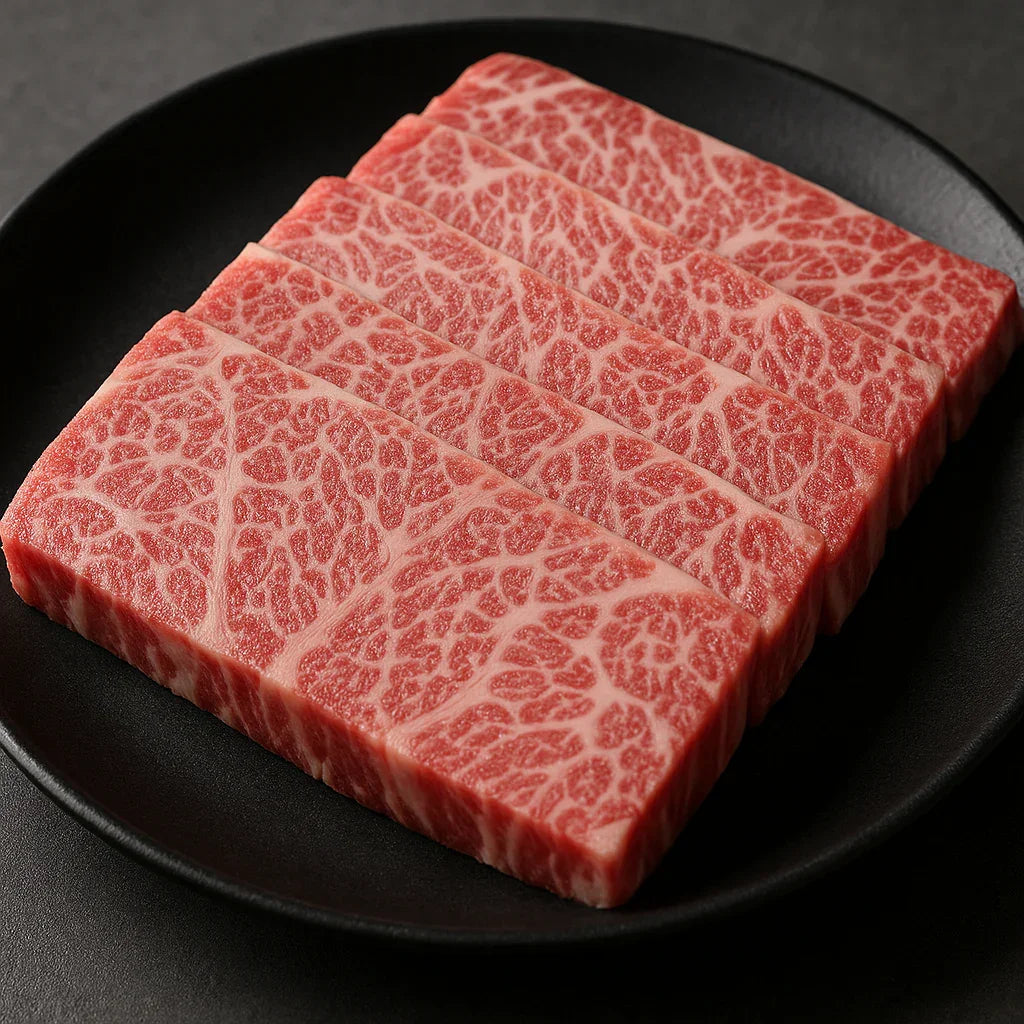

Is It Safe to Eat Frozen Beef Short Ribs That Arrive Partially Thawed? How to Tell If You Should Cook Immediately, Refreeze, or Discard
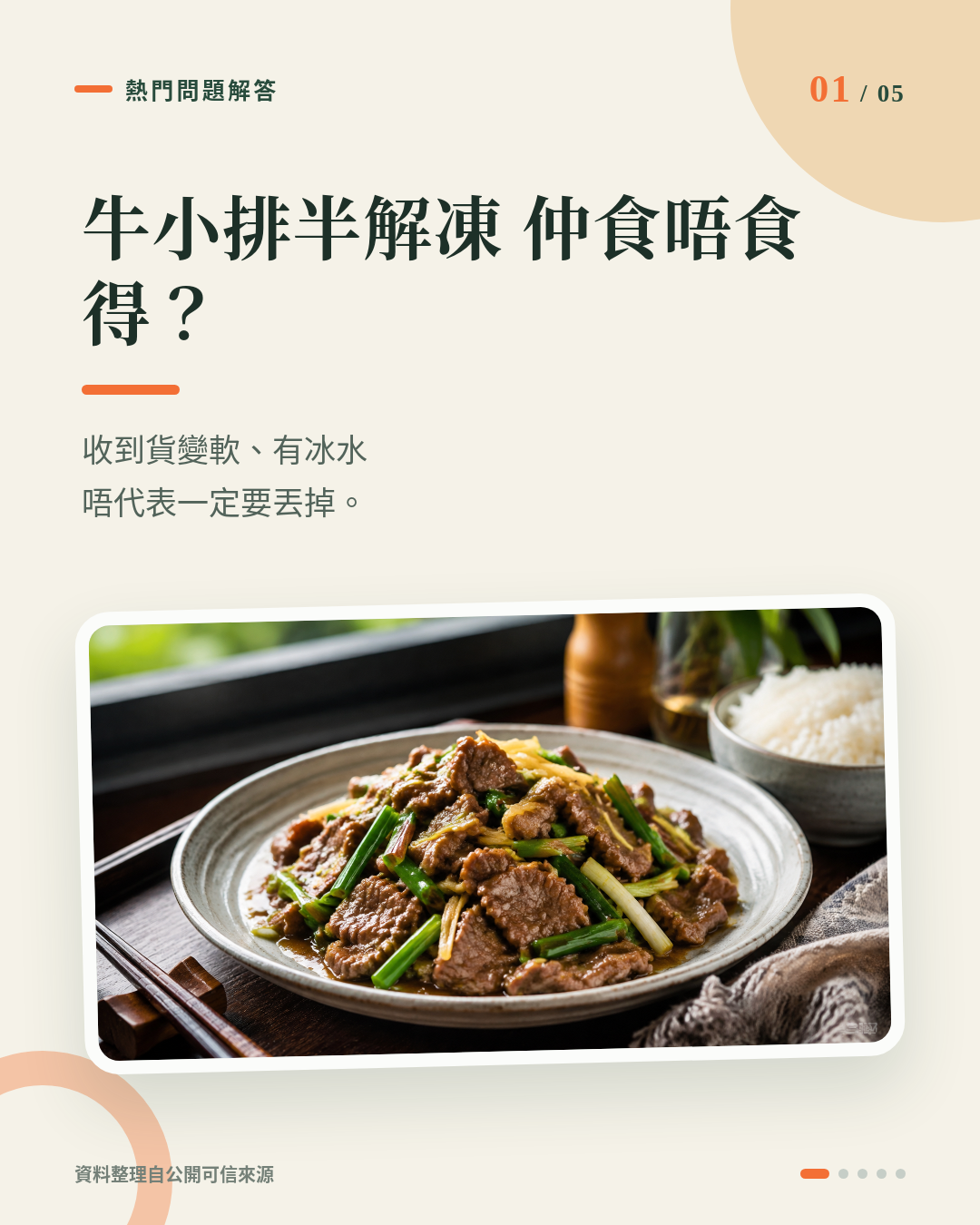
Popular FAQs
Frozen beef short ribs arrived half-thawed: still edible? Learn to distinguish between cook immediately, refreeze, or discard
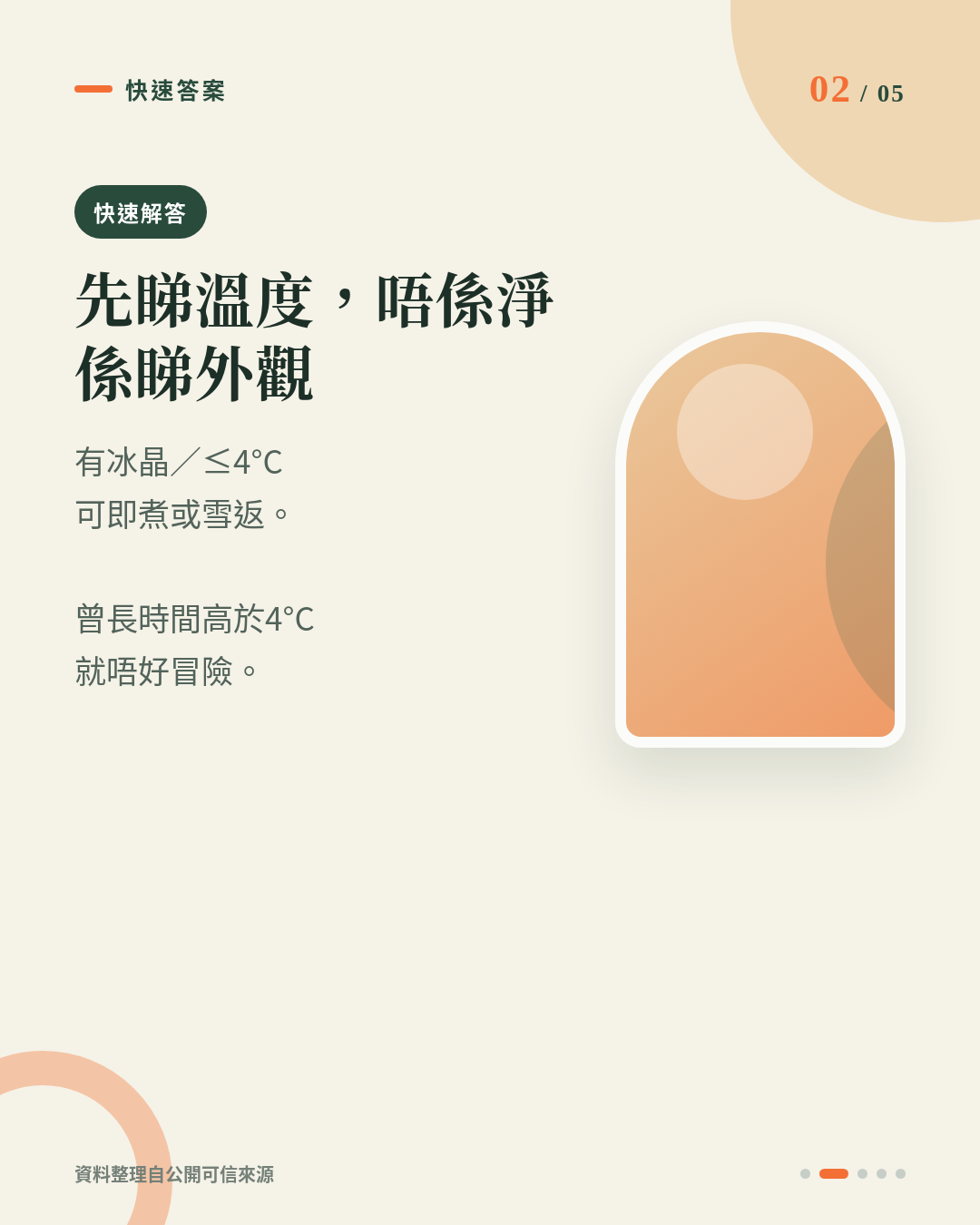
Yes, but the key is not 'whether it has softened', but how frozen the beef was upon arrival, how long it was exposed to high temperatures, and whether the packaging poses any contamination risk. If it is still ice-cold, has ice crystals, or measures a core temperature of 4°C or below, it is generally safe to cook immediately or refreeze; if it was exposed to the danger temperature zone of approximately 4–60°C for a long time, especially for more than 2 hours, do not rely on smell or appearance to judge; discard it and contact the supplier.
Key Points Illustrated
When buying frozen beef short ribs online, seeing the meat slices soften or a small amount of ice water in the bag does not necessarily mean the food has spoiled. Temperature fluctuations during delivery can cause some ice to melt, but what really matters is whether the beef has maintained a safe low temperature throughout. The US Department of Agriculture Food Safety and Inspection Service (USDA FSIS) mail-order food guidelines state that perishable meat should arrive frozen, with ice crystals still present, or at least kept refrigerator-cold, i.e., below 40°F (approx. 4°C). The following uses several practical scenarios to help you decide whether to cook the beef short ribs immediately, refreeze them, or discard them.
1. Do not immediately discard upon seeing 'half-thawed': the real focus is temperature
'Half-thawed' can represent completely different situations. If the beef still has ice crystals, feels ice-cold to the touch, or measures 4°C or below with a food thermometer, it can still be handled safely even if the meat slices have softened. The USDA also points out that half-thawed food can be refrozen as long as it still has ice crystals or is kept at 40°F (4°C) or below. Conversely, if it does not feel refrigerator-cold upon arrival, especially if it was left at room temperature for a long time, you should not decide whether to eat it based solely on 'it looks normal'.
- Ice crystals present + meat still ice-cold: Can cook immediately or refreeze.
- No ice crystals but measures ≤4°C: Can refrigerate or refreeze according to packaging instructions.
- Temperature unknown, meat already warm: Do not rely on appearance or smell to estimate safety.
2. Should you cook immediately, refreeze, or discard? Use this method to judge
Unpack and inspect immediately upon receipt; it is best to measure the temperature first before deciding the next step. If the beef short ribs still have ice crystals, or the temperature is 4°C or below, you can cook them immediately; if you are not eating them right away, you can also refreeze them. If they are only fully thawed but have been kept at refrigerator temperature, handle them according to the storage instructions on the packaging; for thinly sliced hot pot beef, it is usually more suitable to cook and use them as soon as possible to preserve quality. If the temperature measures above 4°C and you cannot determine how long it was at a safe low temperature, you should stop consuming it and contact the supplier.
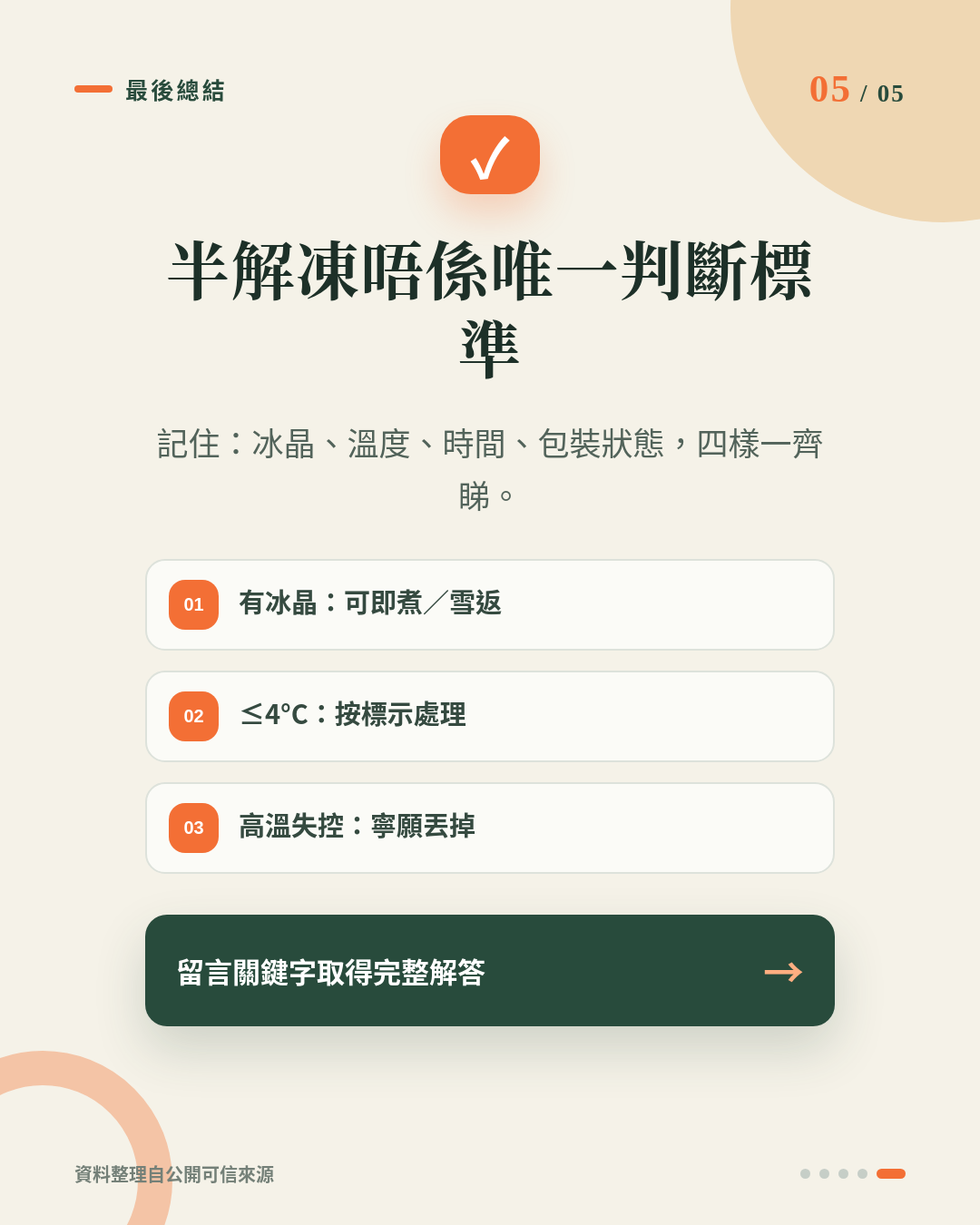
- Ice crystals present: Cook immediately or refreeze.
- ≤4°C, still ice-cold: Can refrigerate or refreeze, follow product labelling.
- Above 4°C and left for an unknown period: Do not risk eating it.
- Perishable meat above approx. 4°C for 2 hours or more: Should be discarded.
3. A small amount of ice water, leaking juice, and freezer burn are actually not the same thing
A small amount of liquid in the bag cannot determine if the beef is safe based solely on colour or appearance. If meat juice leaks out after thawing, the first thing to address is cross-contamination: if raw beef juice flows onto other ready-to-eat foods, refrigerator shelves, or other ingredients, the relevant food should not be consumed, and contact surfaces should be thoroughly cleaned. As for freezer burn, it is usually a quality issue caused by freezing, such as surface drying, discolouration, or texture degradation, and is not equivalent to a food safety issue; however, if temperature loss occurs simultaneously, it must be judged by temperature and storage history, not just appearance.
- Small amount of ice water ≠ definitely spoiled, first confirm beef temperature.
- Raw meat leaking juice requires prevention of cross-contamination, especially for ready-to-eat foods.
- Freezer burn mainly affects quality and should not be directly taken as evidence of bacterial contamination.
- Packaging damage, severe leaking, or unknown temperature status: Contact supplier for inquiry or resolution.
4. Most common misconception: If it doesn't smell bad, does that mean it's safe to eat?
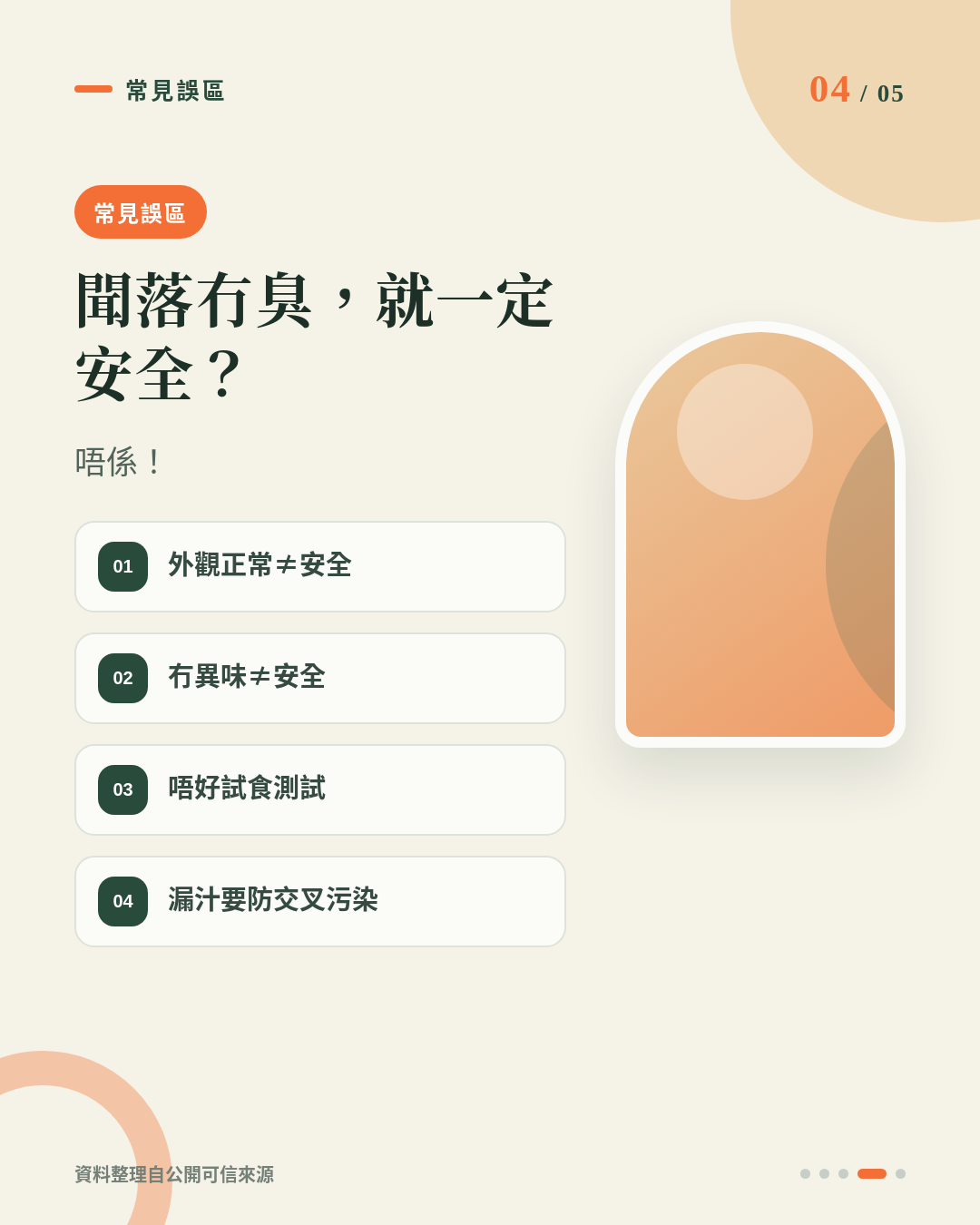
No. Pathogenic bacteria may not cause obvious odours, discolouration, or other visible changes after multiplying. The USDA explicitly warns that you cannot rely on appearance or smell to judge food that has lost temperature, and you definitely should not 'take a bite' to test safety. Therefore, when judging half-thawed beef received, temperature, ice crystals, delivery conditions, and packaging status are much more reliable than 'smelling normal'.
- 'No bad smell' does not mean it is definitely safe.
- 'Normal colour' also cannot prove there is no food safety risk.
- Do not use tasting methods to test if it is edible.
- When in doubt, prioritise official food safety guidelines and supplier storage requirements.
5. Practical checklist for receiving frozen beef short ribs
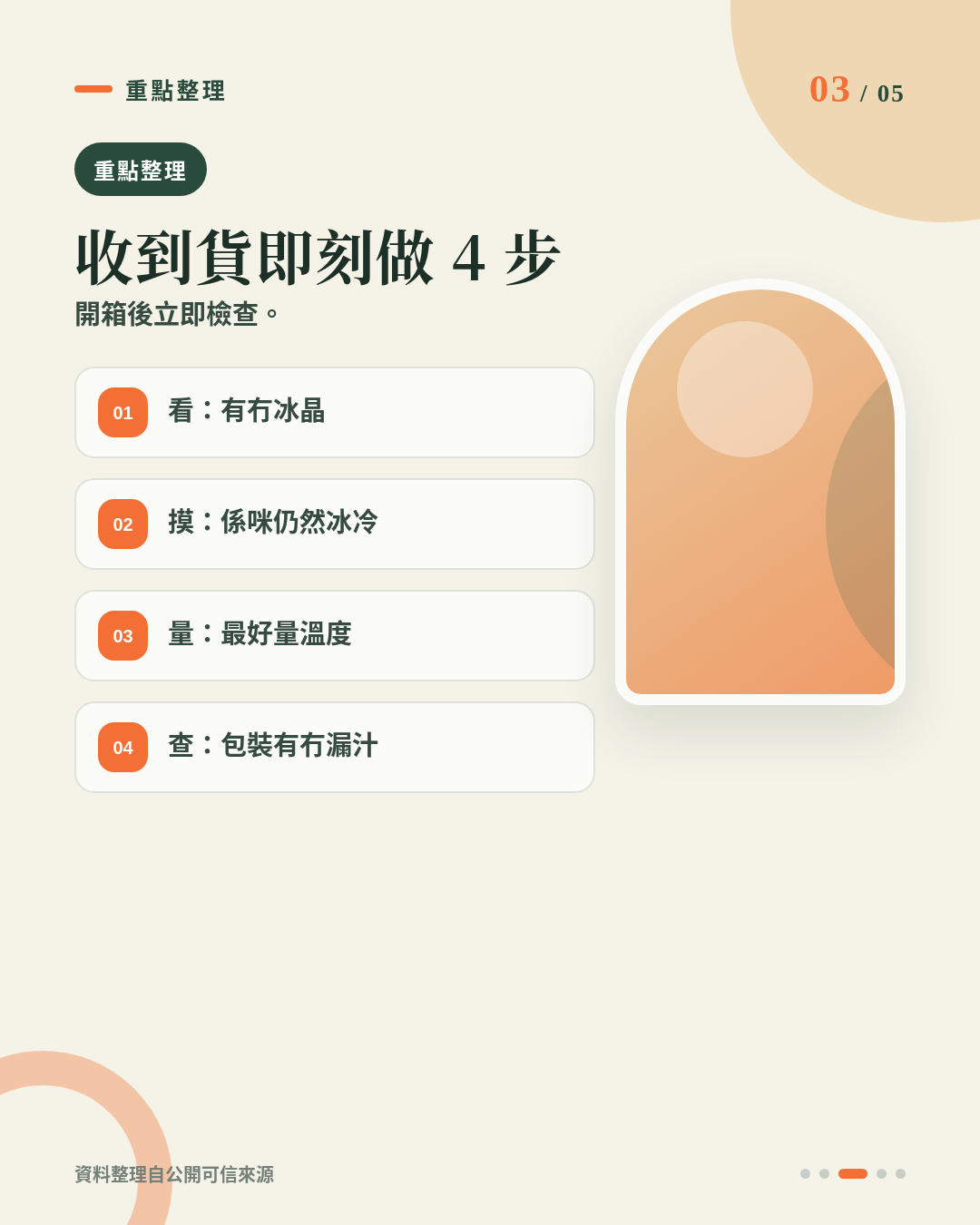
The simplest thing to remember is 'Open, Touch, Measure, Look, Separate'. Inspect immediately after unpacking; touch the beef to see if it is still ice-cold; measure if you have a thermometer; look for ice crystals and packaging damage; finally, separate beef juice contamination from simple quality issues. As long as there are still ice crystals or it is kept below 4°C, being half-thawed itself does not mean it must be discarded; however, if it was exposed to the danger temperature zone for a long time, do not force yourself to eat it just because the meat slices look nice and smell normal.
- Open: Inspect immediately upon receipt, do not leave at room temperature for a long time.
- Touch: Only proceed to further judgment if it is still ice-cold.
- Measure: Best to have a thermometer, ≤4°C is the important judgment line.
- Look: Ice crystals, packaging integrity, and any leaking juice.
- Separate: Food safety risks and quality degradation caused by freezing should be handled separately.
Frequently Asked Questions
Frozen beef short ribs arrived softened but still have ice crystals, can they be eaten?
Generally yes. The USDA points out that as long as the food still has ice crystals, or the temperature is kept at 4°C or below, it can be safely cooked immediately or refrozen.
Beef short ribs have no ice crystals at all, but feel ice-cold to the touch, what should be done?
If a food thermometer confirms the temperature is 4°C or below, you may refrigerate, cook immediately, or refreeze according to the product packaging instructions. If the temperature cannot be confirmed, do not rely solely on touch, appearance, or smell to judge safety.
Does a small amount of ice water in the bag mean the beef is spoiled?
Not necessarily. The liquid may come from the thawing process, but appearance alone cannot determine food safety. The key remains the beef's temperature and storage history; if raw meat juices leak onto other foods, be particularly mindful of cross-contamination.
Is it unsafe to refreeze partially thawed beef?
If ice crystals are still present before refreezing, or if the beef temperature is 4°C or below, USDA guidelines consider it safe to refreeze. However, refreezing partially thawed meat may reduce the texture and quality of some meats.
If it doesn't smell bad, does that mean it is definitely safe to eat?
No. Pathogenic bacteria do not necessarily cause food to develop an off-odour or change in appearance. For raw meat that has been exposed to unsafe temperatures, do not use smell, sight, or tasting to judge safety.