 Skip to content


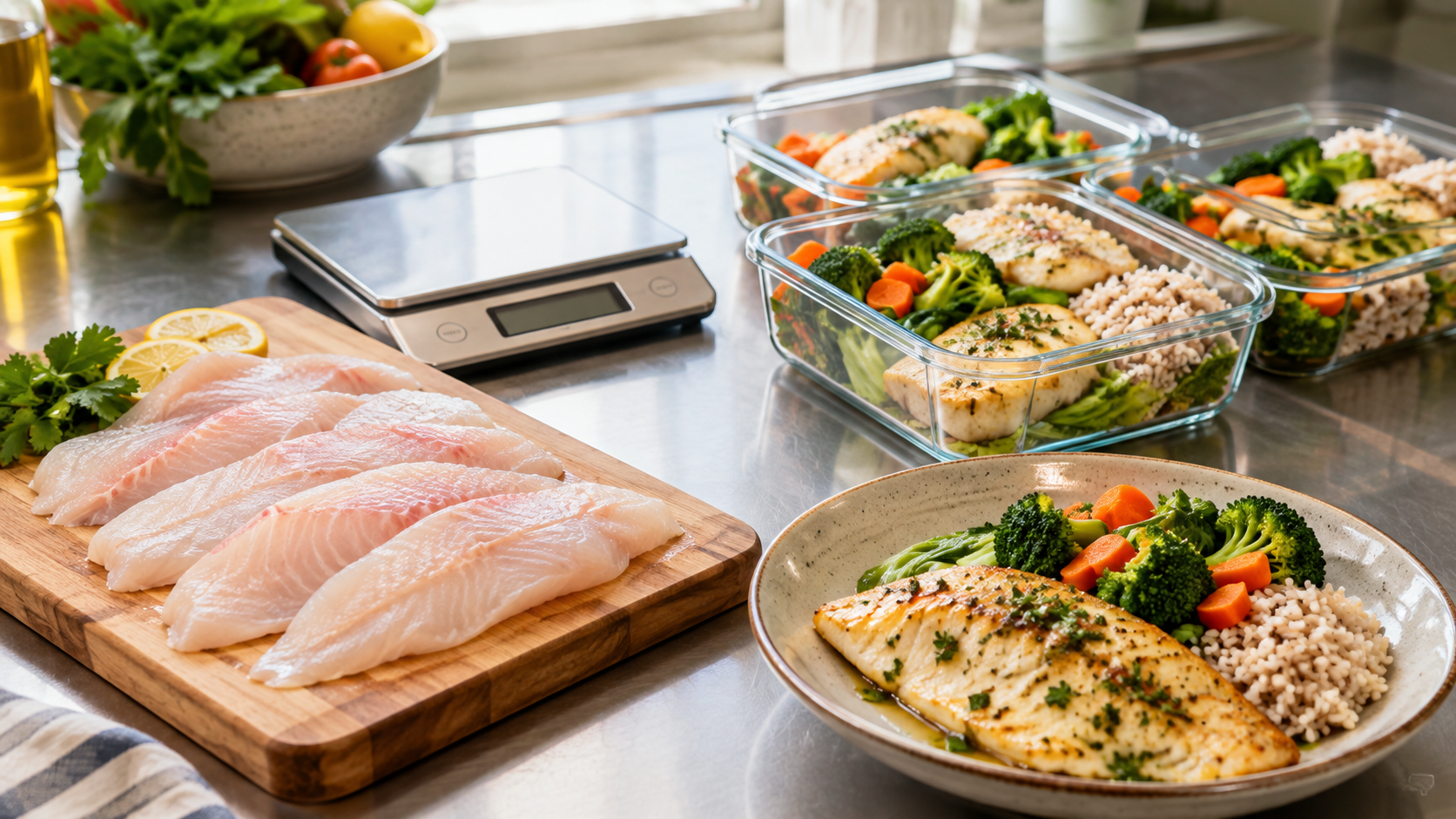
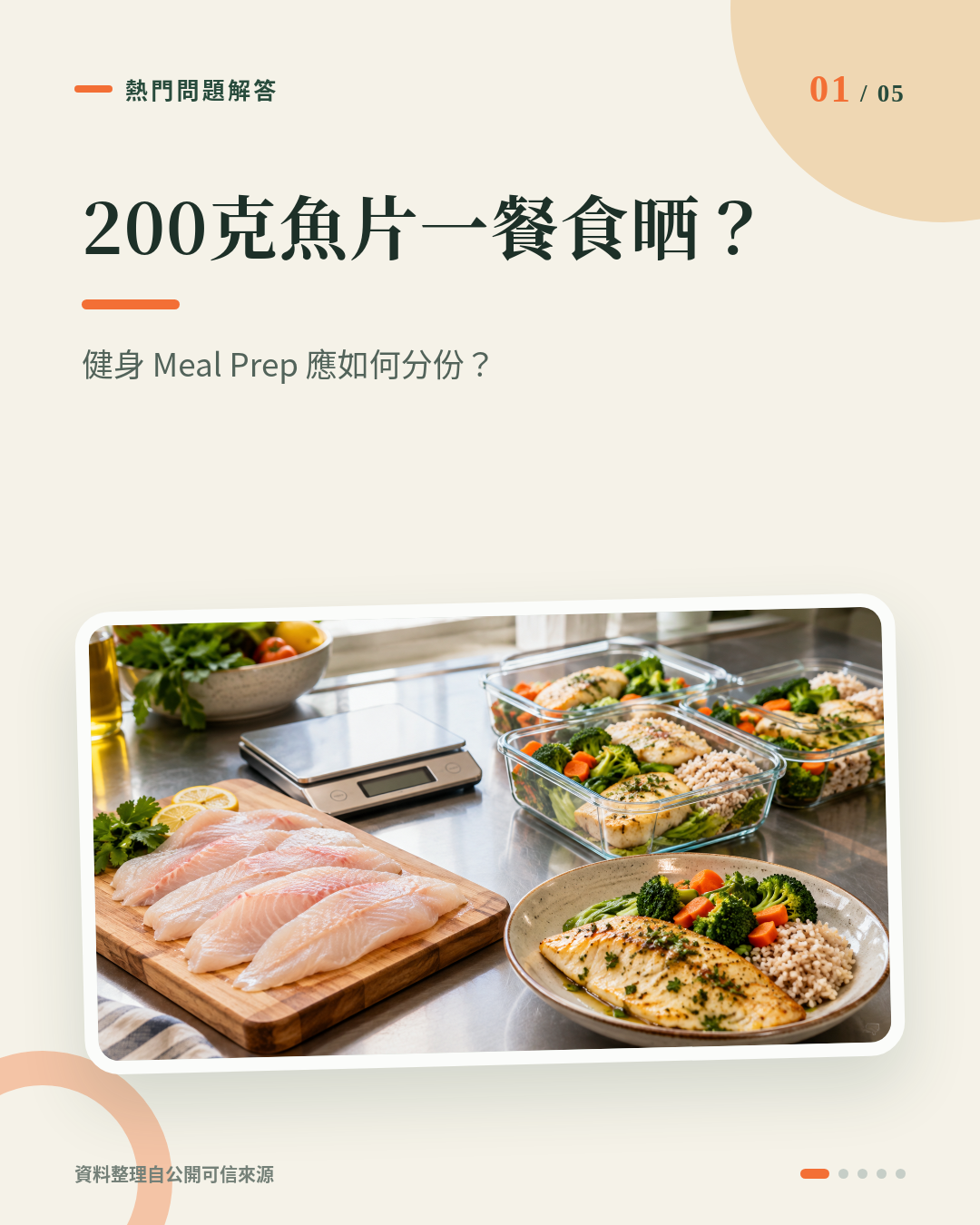
For fitness meal prep using 200 g crispy-flesh tilapia fillets, how much should you eat per meal? The key is not to eat the whole pack.
Popular Questions & Answers
How much of the 200g crispy tilapia fillets should you eat per meal for fitness meal prep? The key is not to eat the whole pack
200g is merely the packaging specification for this tilapia fillet product; it does not represent a fixed portion size per meal. When preparing fitness meals, you should first determine your daily protein target and protein needs per meal, then calculate the required weight of fillets based on the product's nutrition label. If the packaging does not provide protein data, you cannot accurately calculate the protein content based solely on the 200g weight. Protein requirements for athletes vary depending on factors such as body weight, training volume, and energy intake; the ISSN reference is approximately 1.4–2.0 g/kg body weight per day, while protein intake per serving can generally be referenced at approximately 20–40 g of high-quality protein or approximately 0.25 g/kg body weight.
Key Points Illustrated
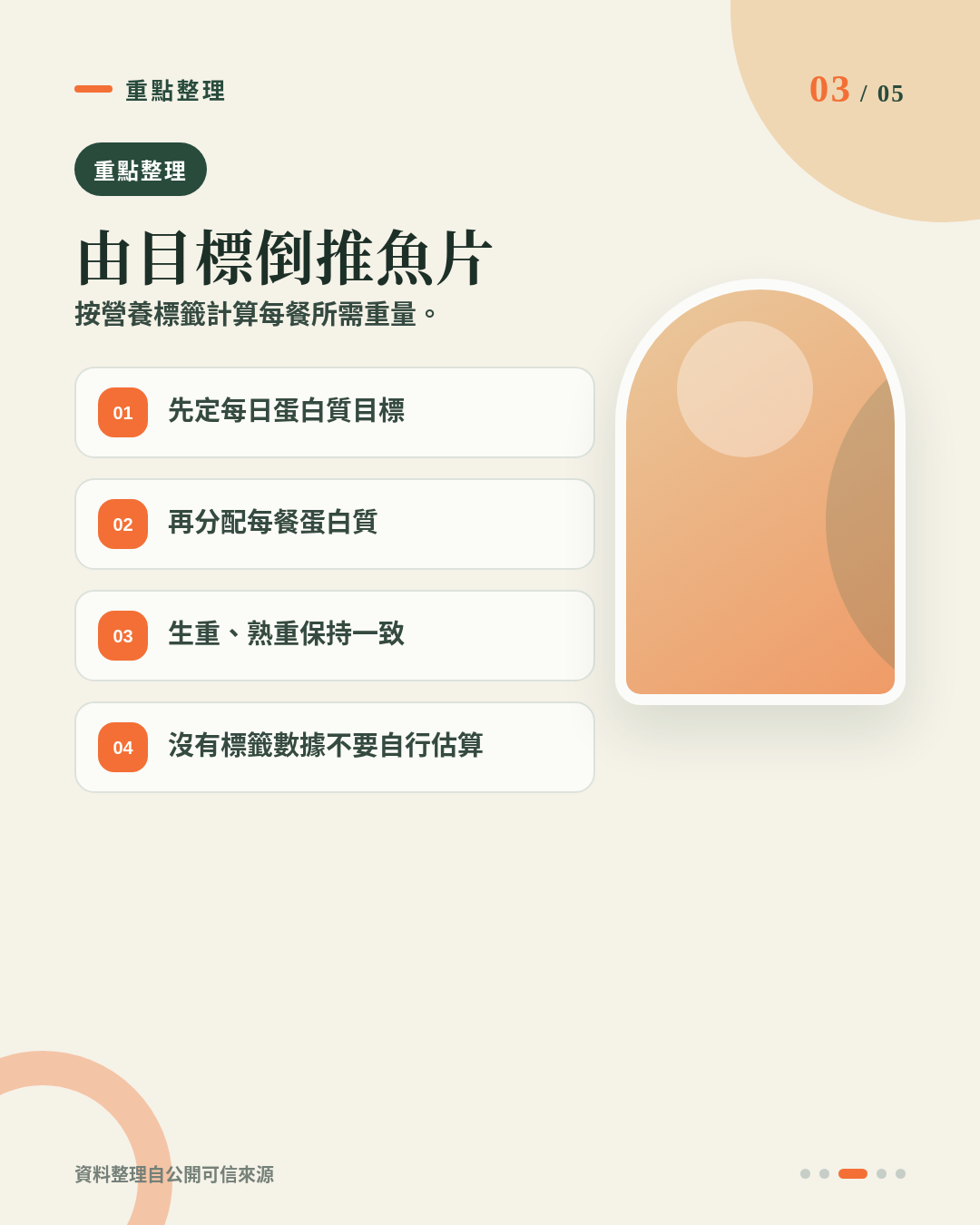
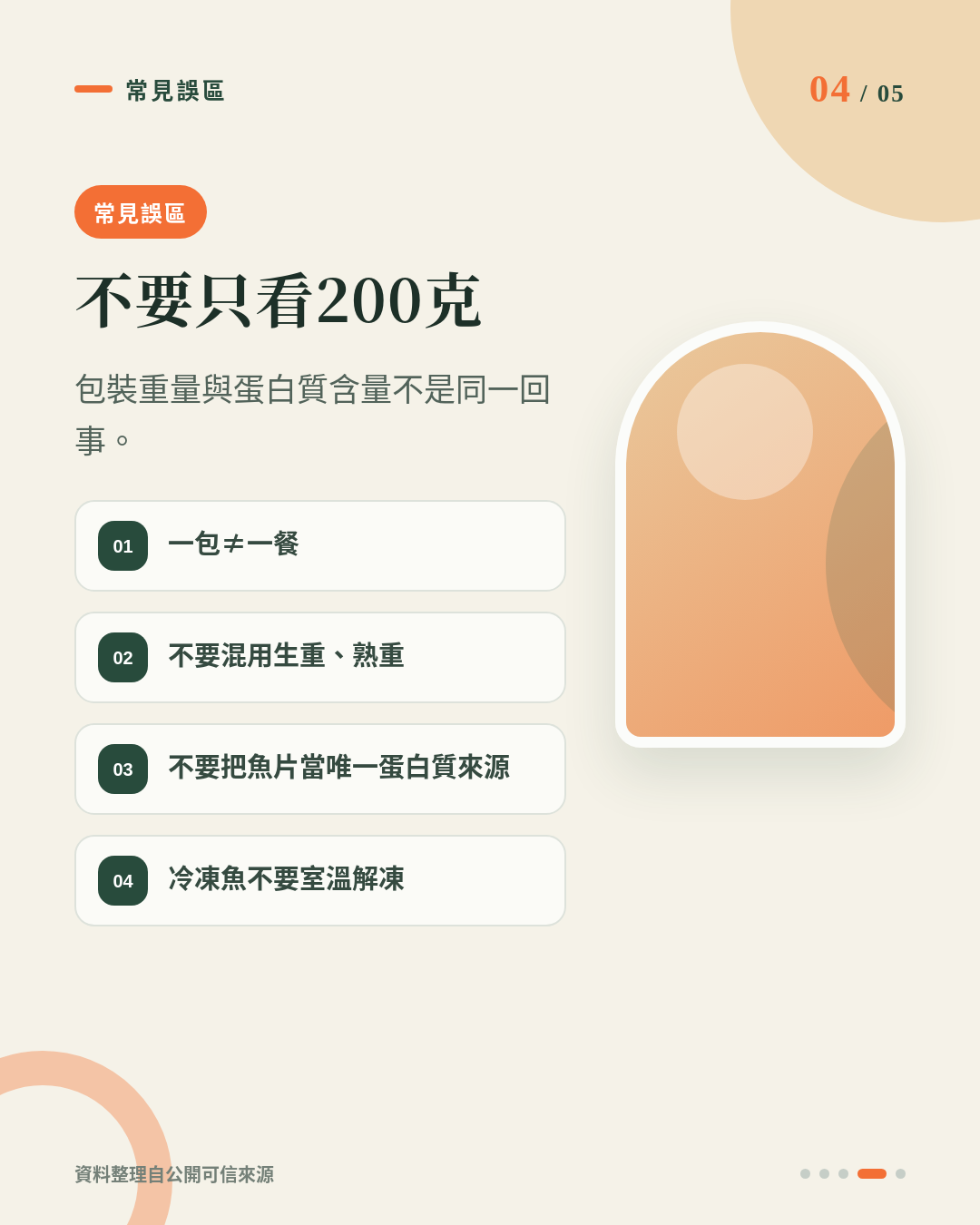
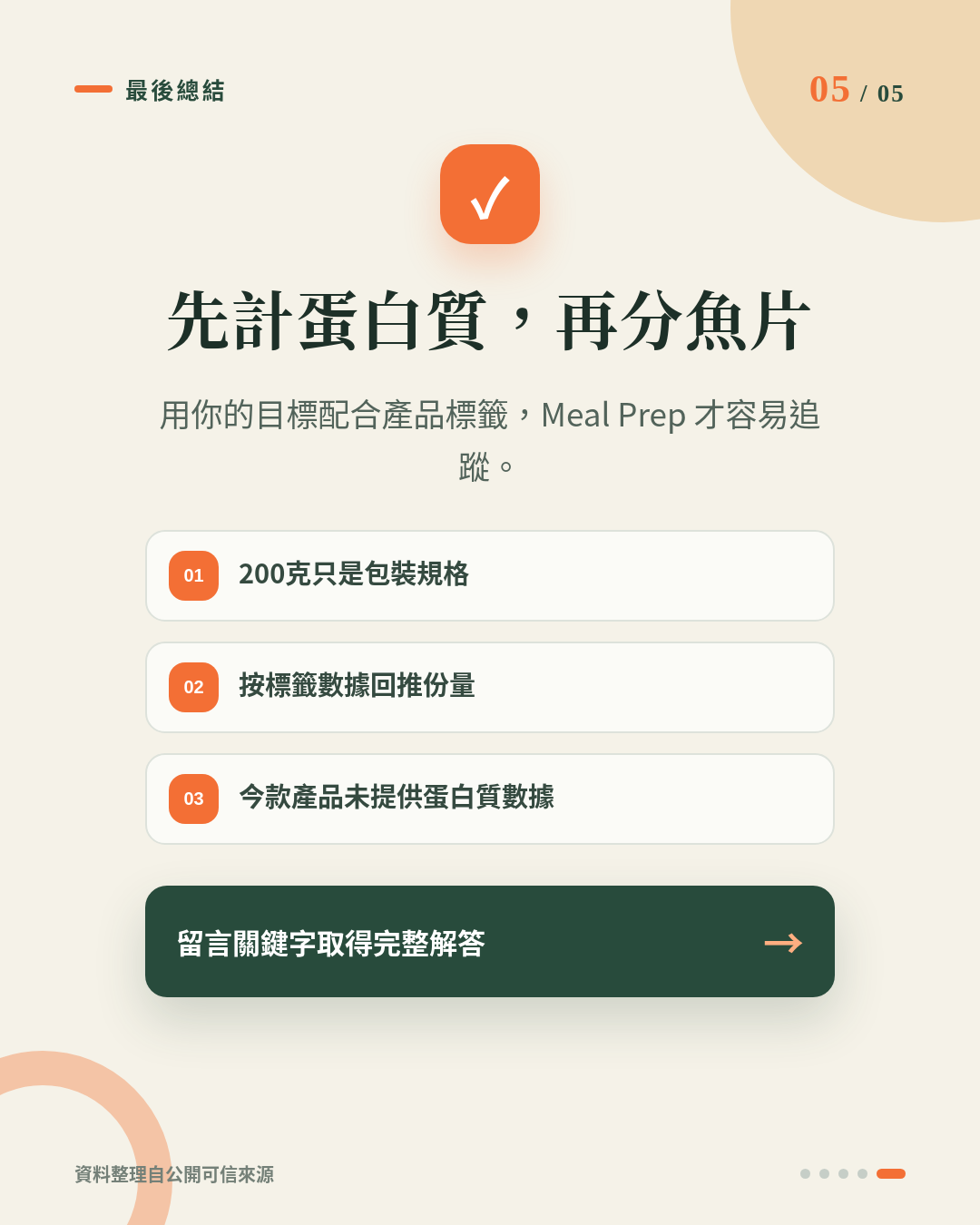
If you buy 200g of crispy tilapia fillets for meal prep, the most common misconception is treating 'one 200g pack' directly as '200g per meal'. In reality, the packaging weight and the amount of protein you need per meal are two different things. For those focused on fitness, strength training, muscle gain, or fat loss, a more practical approach is to first set your daily and per-meal protein targets, then calculate the fillet portion based on the nutrition label. This product page confirms that the packaging specification for Craftsman's Kitchen Tilapia Fish Slices is 200G±, frozen at -18°C; however, the page does not provide the protein content per 100g, so the protein weight cannot be directly derived from the packaging weight.
1. Should 200g be considered one meal? Not necessarily
200g first represents the product's packaging weight, not your personal protein requirement. The ISSN points out that daily protein needs for athletes should be considered based on factors such as body weight, type of exercise, training volume, and energy intake; general athletes can reference 1.4–2.0 g/kg body weight per day. Protein intake per meal or serving can be referenced at approximately 20–40 g, or approximately 0.25 g/kg body weight.
- 200g = Product packaging specification, not equal to your standard meal portion.
- First decide your daily and per-meal protein targets, then decide the fillet portion.
- This product page does not provide protein/100g data, so it is not possible to accurately convert how much protein is contained in 200g.
2. The most practical meal prep calculation: Back-calculate from protein targets
If the product nutrition label lists the protein content per 100g, you can use the label figures to calculate. For example, if the product is labelled as containing X g of protein per 100g, and you want this meal to provide Y g of protein from the fillets, the required weight of fillets = Y ÷ X × 100 g. If the same meal also includes eggs, dairy products, soy products, or other meats, you should include the protein from these other sources in the calculation, rather than requiring the fillets to provide all the protein for the entire meal alone.
- Formula: Required fillet weight (g) = Target protein (g) ÷ Protein per 100g × 100.
- For example, purely as a formula demonstration and not representing this product's values: Target 25g, label 20g/100g, requires 125g.
- Without nutrition label data, do not estimate the protein content yourself.
3. Do not mix raw and cooked weights
When doing meal prep, another common issue is using raw weight when portioning out, but then using cooked weight when recording diet intake later. Fish weight changes after cooking due to moisture loss, so it is best to maintain the same standard throughout the same set of calculations, for example, recording everything by pre-cooking weight, or using reliable cooked weight nutrition data. The most important thing is not to directly apply raw weight label data to cooked fish weight.
- Decide whether to record by raw or cooked weight before portioning.
- If the nutrition label is calculated per 100g of product, confirm which state it corresponds to.
- Weight changes after cooking do not mean your protein requirement itself suddenly changes.
4. One 200g pack, how can it actually be divided?
If you just want convenient meal prep, 200g can be divided into one or more portions according to your calculation results; however, you should not conversely decide first that '200g is definitely one meal' and then force-adjust your daily protein target. If the calculation shows that a meal only requires part of the fillets, you can use the remaining part for the next meal or other meals. The ISSN also points out that total protein amount is an important consideration, and distributing protein intake more evenly across different meals of the day is a referenceable practice.
- Muscle gain, strength training: First look at the total daily protein target, then allocate to each meal.
- Fat loss and calorie control: In addition to protein, you must also include other ingredients in the whole meal and cooking methods in the calculation.
- The focus of meal prep is consistency per portion, making it easy for you to track, rather than having to finish every pack at once.
5. Handling frozen fillets: Follow packaging instructions and food safety principles
This product page specifies the storage method as frozen at -18°C. The Food Safety Centre of Hong Kong recommends that frozen food should not be thawed at room temperature; it can be thawed in the refrigerator at 0–4°C, or using cold water/microwave according to appropriate methods. If thawing with cold water or microwave, it should be cooked immediately. When handling raw fish, cross-contamination between raw and cooked food should also be avoided, and the cooking and storage instructions on the product packaging should be followed.
- Frozen fish should be stored according to packaging requirements; the product page specifies -18°C.
- Do not leave frozen fish at room temperature for a long time to thaw.
- After completing Meal Prep, store properly in the refrigerator in accordance with food safety requirements to avoid cross-contamination between raw and cooked food.
Frequently Asked Questions
Can 200g of crispy tilapia slices be eaten as a single meal?
It can serve as the ingredient portion for a meal, but not because 200g itself represents the protein required for a meal. You should first check the nutrition label and your protein target.
Should portions be based on package weight or daily protein targets?
Start with your daily and per-meal protein targets, then calculate the weight of fish slices based on the nutrition label; 200g is merely the package specification.
How much protein is in this 200g of tilapia slices?
The provided HKTVmall product page lists a 200G± package specification but does not provide protein data per 100g, so it is not provided and cannot be accurately estimated.
Should calculations be based on raw or cooked fish weight?
Either is acceptable, but consistency in measurement basis must be maintained. Do not directly apply nutritional data established on raw weight to cooked fish weight.
How should frozen tilapia slices be thawed?
The Food Safety Centre of Hong Kong recommends not thawing at room temperature; thaw in the refrigerator at 0–4°C, or use cold water/microwave according to safe methods, with the latter requiring immediate cooking after thawing. cite