 Skip to content


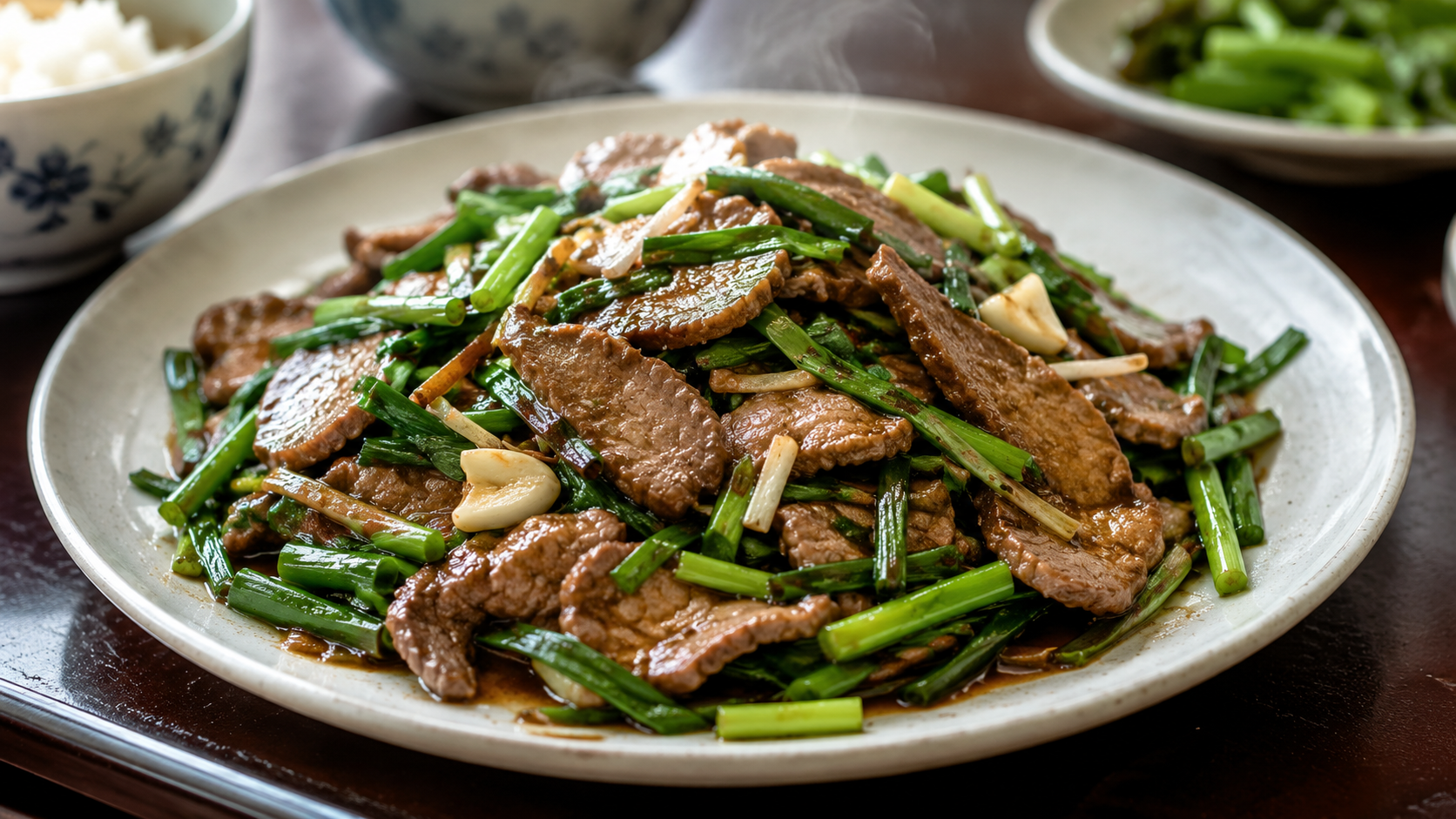
Stir-fried Pork Liver with Ginger, Spring Onions and Chives
Chinese · 30 minutes · Serves 2 to 3
Stir-fried Pork Liver with Ginger, Spring Onion and Chives
Pork liver and chives are a very natural pairing in Chinese home-style stir-fries. Pork liver has a rich flavour, while the pungency and slight sweetness of chives help balance the organ taste. This recipe takes a ginger, spring onion, and chive stir-fry approach rather than layering heavy spicy sauces. It references the traditional method of stir-frying pork liver with chives, using ginger, rice wine, and light soy sauce as the base flavour. High heat and quick stir-frying are used to maintain texture, finishing with chives and spring onion segments. Considering Hong Kong household tastes, the amount of chilli and sweetness is reduced, and the soy sauce quantity is controlled to let the rich flavour of the pork liver stand out.
Quick Answer
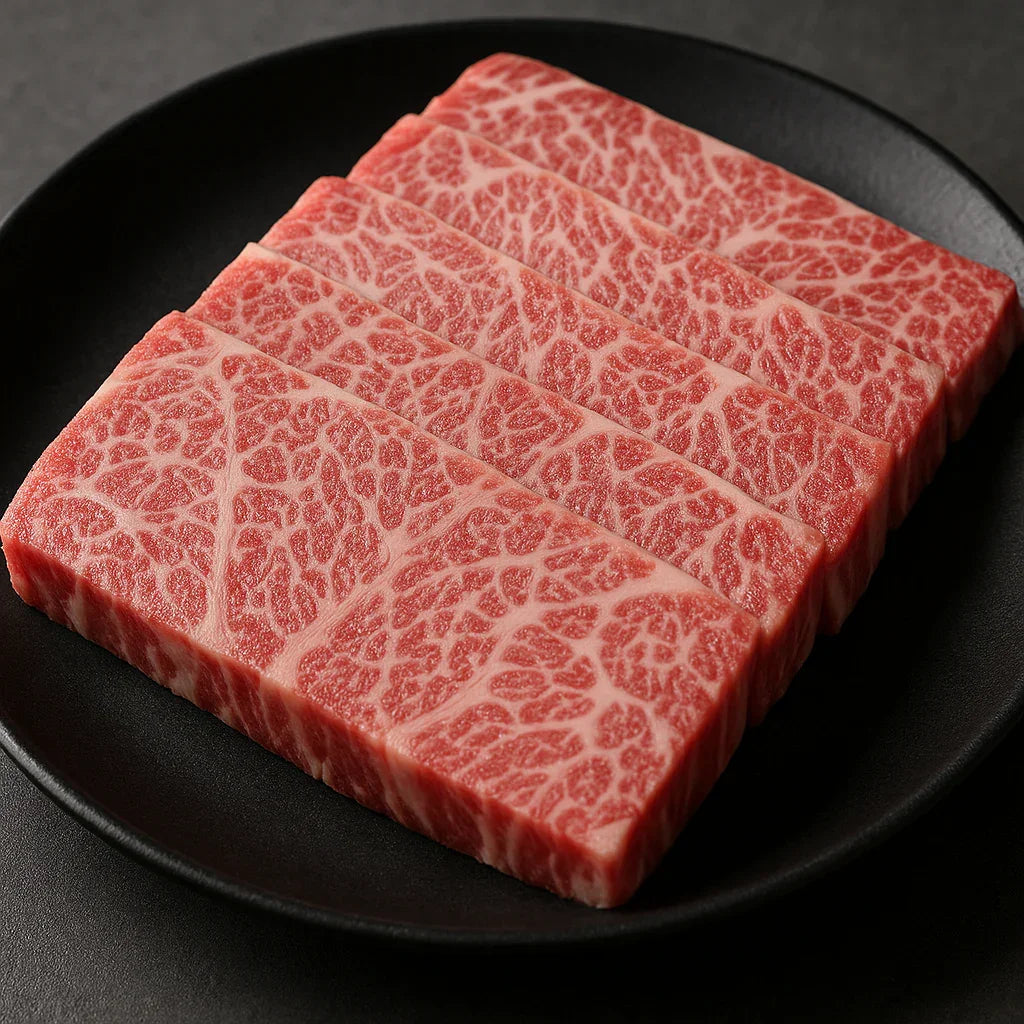
This ingredient is actually Dutch raw pork liver cubes, which are frozen and cannot be assumed to be cooked. If the packaging specifies thawing or heating methods, the packaging instructions should take priority. Generally, you can thaw it slowly in the refrigerator, then cut the pork liver into slices or smaller pieces about 5 mm thick. After rinsing and draining, marinate with ginger, rice wine, light soy sauce, and a small amount of cornflour, then stir-fry over high heat, adding chives and spring onion segments. Pork liver is an organ meat; the internal temperature should reach at least 71.1°C before consumption. If the packaging explicitly states it is for pet use only or not for human consumption, it should not be used in human dishes.
Ingredients
- Frozen pork liver cubes 300 g (thaw according to packaging instructions)
- Chives 150 g
- Spring onions 3 stalks
- Ginger 15 g, cut into fine julienne
- Garlic 2 cloves, sliced
- Light soy sauce 1 tablespoon
- Rice wine 1 tablespoon
- Cornflour 1 teaspoon
- White pepper powder 1/4 teaspoon
- Cooking oil 2 tablespoons
- Salt to taste
Method
-
Thawing and preparing the pork liver
First, thaw according to the packaging instructions; if there are no specific instructions, you can place it in the refrigerator to thaw in advance. After thawing, gently rinse the pork liver under running water to remove obvious blood water, and drain thoroughly. If the pork liver cubes are large, cut them into slices or pieces of similar size, about 5 mm thick, to ensure even heating.
-
Marinate with base flavours first
Add light soy sauce, rice wine, white pepper powder, and cornflour to the pork liver and mix well. Marinate for about 10 minutes. Ensure there is no excess moisture on the surface before cooking; a thin layer of cornflour helps reduce moisture loss during stir-frying, but do not coat it too thickly.
-
Prepare chives, spring onions, and ginger
Wash and drain the chives, cutting them into pieces about 5 cm long. Separate the white and green parts of the spring onions and cut into segments. Cut ginger into fine julienne and slice the garlic. Prepare all ingredients in advance, as this dish requires high heat and quick completion.
-
High-heat quick stir-fry of pork liver
Heat the wok until hot, add 1 tablespoon of oil, and add the pork liver over high heat, spreading it out as much as possible to avoid overlapping. Stir-fry quickly for about 2 to 3 minutes until the surface is completely coloured, then remove and set aside. The focus of this step is quick colouring; do not dry-fry for a long time as it will make the pork liver tough.
-
Stir-fry ginger, spring onion, and garlic until fragrant
Add the remaining 1 tablespoon of oil to the same wok, maintain medium-high heat, and first stir-fry the ginger julienne, garlic slices, and spring onion whites for about 30 to 45 seconds. Stop when a distinct pungent aroma is detected; do not fry until burnt.
-
Add chives
Add the chives and stir-fry over high heat for about 1 minute, until the chives just begin to soften but still retain their emerald green colour. If the wok starts to release a lot of water, immediately turn up the heat to reduce the liquid, avoiding a stewed-style stir-fry.
-
Return pork liver to wok and check doneness
Return the pork liver to the wok, add the spring onion greens, and stir-fry quickly for about 1 to 2 minutes until all ingredients are evenly mixed. The pork liver should not have any raw redness or blood water; the most reliable method is to use a food thermometer to measure the thickest piece, ensuring the centre reaches at least 71.1°C before removing from heat. If the safe temperature is not reached, continue stir-frying and measure again.
-
Serve immediately
Once the centre has reached a safe temperature, serve immediately to avoid leaving it in the hot wok for too long. Pork liver is best served hot; cutting boards, knives, and utensils used for raw ingredients must be separated from those used for cooked food and cleaned thoroughly.
Frequently Asked Questions
Can frozen pork liver cubes be stir-fried directly from the freezer?
It is not recommended to assume this is possible. First, follow the thawing and heating instructions on the packaging; if the packaging requires thawing, it should be handled according to those instructions. Stir-frying after thawing makes it easier to control the doneness of each piece of pork liver and is less likely to result in the outside being overcooked while the centre remains cold.
Does the absence of blood water mean the pork liver is cooked?
Colour or blood water alone cannot be used to judge doneness. Pork liver is an organ meat; it is recommended to use a food thermometer to measure the thickest part, ensuring the centre reaches at least 71.1°C; this is more reliable than just looking at surface colouring.
Why should pork liver be marinated with ginger, rice wine, and cornflour first?
Chinese pork liver stir-fry methods often use soy sauce, wine, ginger, and cornflour as a base flavour, followed by high-heat quick stir-frying. Ginger and rice wine provide pungency and wine aroma, while a thin coating of cornflour helps reduce moisture loss; the marination should not be too heavy, otherwise it will overpower the flavours of the chives and the pork liver itself.
How to stir-fry pork liver so it is not hard and tough?
Keep the slice thickness as consistent as possible, drain thoroughly first, then stir-fry in segments over high heat. The traditional method of stir-frying pork liver with chives also often involves quickly stir-frying the pork liver until coloured first, then combining it with the chives, to avoid leaving the pork liver in the wok for a long time. However, for food safety, one cannot retain a raw or unevenly cooked centre just to pursue tenderness.
Can pork liver labelled as pet food be eaten by humans?
It cannot be considered human food just because the ingredient is pork liver. If the packaging explicitly states it is for pet use only, not for human consumption, or lacks labelling for human food use, this ingredient should not be used in human dishes. This article only demonstrates a Chinese cooking direction based on the indicated pork liver ingredient and cannot replace the product's usage and safety labelling.