 Skip to content


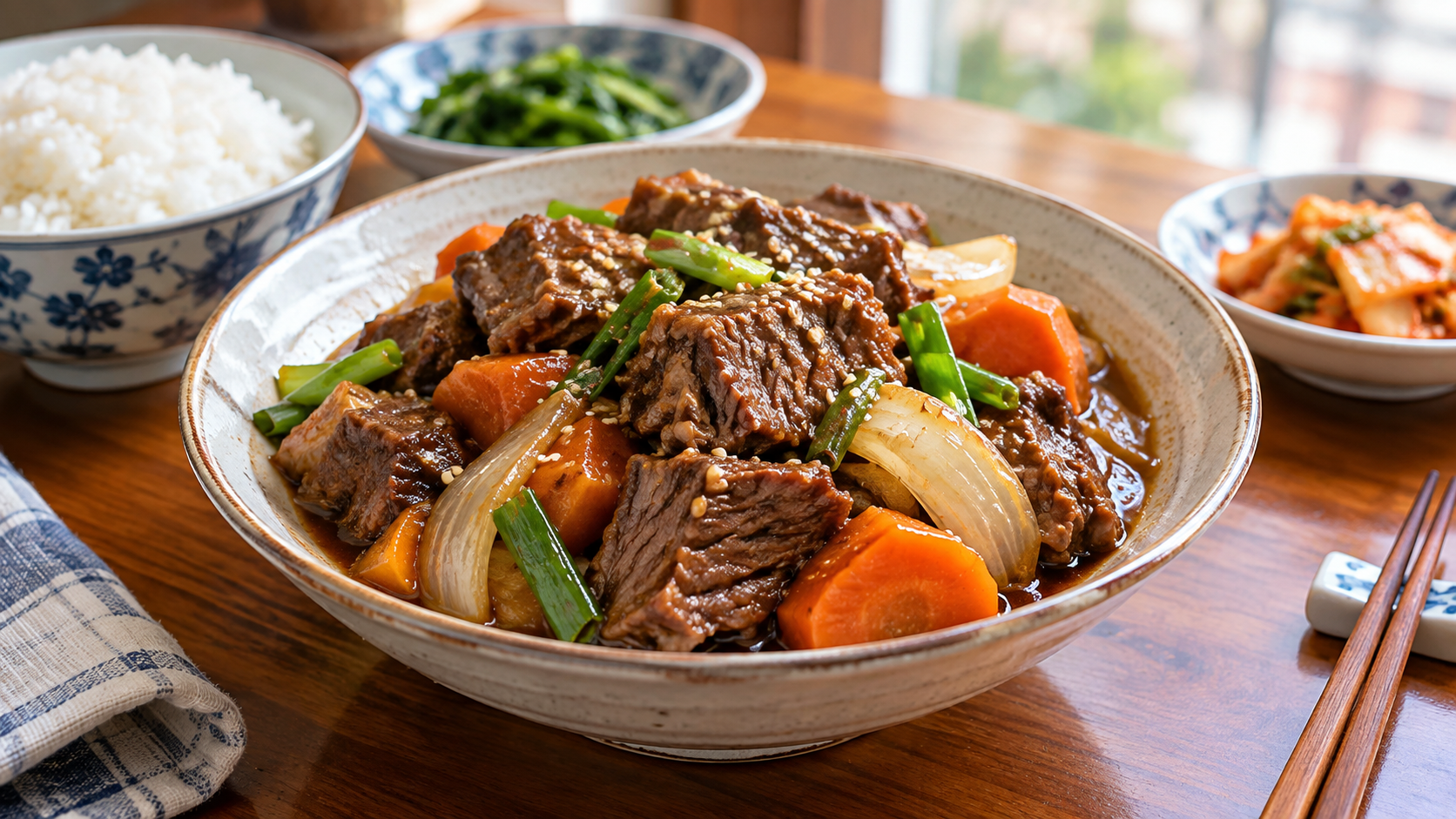
Korean Soy Sauce Beef Oyster Blade Stew
Korean cuisine · 30 minutes · Serves 2 to 3
Korean Soy-Scented Beef Flank Stew
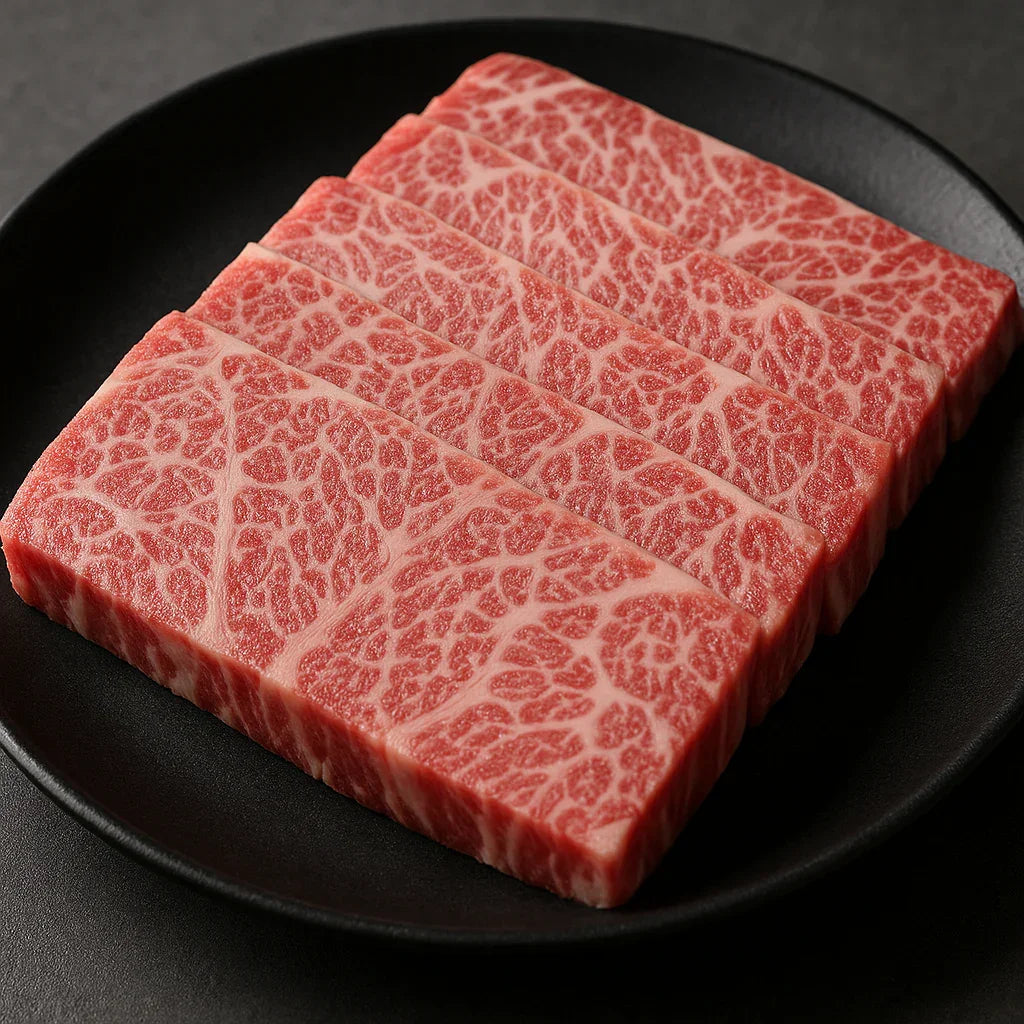
Beef flank comes from the shoulder area of the cow, with a rich meaty flavour and a distinct connective tissue structure usually found in the centre. While thin slices are suitable for BBQ or hot pot, keeping the whole cut is better for retaining juices, making it ideal for slow braising to present the soy-scented flavour common in Korean home cooking. This recipe draws on Korean soy-braised beef and BBQ directions, selecting a balance of salty, sweet, and umami flavours close to the Korean family table, rather than simply adding spicy sauce. Compared to traditional Korean braised beef ribs which require beef rib fingers or beef short ribs, the beef flank version involves cutting into chunks and controlling the braising time, making it easier for Hong Kong households to prepare while retaining the characteristics of Korean soy sauce, garlic, onion, and the natural sweetness of pear. The spiciness is reduced and the sugar content lowered, making it more suitable for daily consumption with white rice.
Quick Answer
Thaw the whole Canadian beef flank safely according to package instructions. After trimming the connective tissue, cut into chunks approximately 3 cm thick. Marinate with Korean soy sauce, pear puree, and garlic aroma, then braise over low heat until the beef becomes tender and absorbs the flavour. Beef flank has distinct fibres, making it suitable for braising to bring out a rich meaty aroma.
Ingredients
- Beef flank 600g (use after thawing according to package instructions)
- Korean soy sauce or light soy sauce 60ml
- Korean pear or Asian pear 1/2 (grated)
- Onion 1 (sliced)
- Garlic 5 cloves (minced)
- Ginger 10g (grated)
- Korean rice wine or cooking wine 30ml
- Sesame oil 1 tablespoon
- Black pepper a little
- Carrot 1 (cut into diagonal chunks)
- Spring onions 2 (cut into segments)
- White sesame seeds 1 teaspoon
Method
-
Preparing the Beef Flank
Thaw the beef in the refrigerator according to package instructions. Once fully thawed, pat dry the surface moisture with kitchen paper. Observe the location of the connective tissue along the grain and cut into chunks approximately 3 cm thick to maintain texture after braising.
-
Preparing the Korean Sauce
Mix the soy sauce, pear puree, garlic puree, ginger puree, rice wine, sesame oil, and black pepper. Add the beef and mix well. Marinate for about 30 minutes to 1 hour to allow the natural enzymes and aromas from the pear puree to penetrate the meat.
-
Searing the Beef
Preheat a heavy-bottomed pan over medium heat. Add a small amount of cooking oil and place the beef chunks in. Sear each side for about 1 to 2 minutes until the surface changes colour and develops a toasted aroma. Do not rush to flip; allow the meat surface to form layers of aroma.
-
Starting the Braise
Add the remaining marinade, onion, and about 100ml of water. Bring to a boil, then reduce to low heat, cover, and braise for about 15 minutes. Maintain a state of slight bubbling to avoid high heat causing the beef to shrink and become tough.
-
Adding Vegetables and Reducing the Sauce
Add the carrot and braise for another 15 to 20 minutes, until a chopstick can be inserted into the beef relatively easily. If there is too much liquid, uncover and simmer over medium heat until the sauce thickens and coats the surface of the beef.
-
Finishing and Serving
Turn off the heat and let it rest for 5 minutes. Sprinkle with spring onions and white sesame seeds before serving. The beef should be cooked through to the centre, with no raw colour when cut open, and should retain a soft, tender fibrous texture.
Frequently Asked Questions
Is beef flank suitable for Korean BBQ?
Yes. Beef flank has a rich meaty flavour and can be quickly grilled when cut into thin slices; however, whole beef flank has more texture, and braising makes it easier to soften the connective tissue, resulting in a higher success rate for home cooking.
Can frozen beef flank be cooked directly?
Not recommended. It should be handled according to the thawing method on the product packaging, which usually suggests thawing in the refrigerator first to avoid the outer layer overcooking while the centre has not reached a safe temperature.
Must Korean beef braises include spicy sauce?
Not necessarily. Traditional Korean beef dishes often use soy sauce, garlic, onion, sesame oil, and fruit puree to build salty, sweet, and umami flavours. The non-spicy version is closer to the daily taste preferences of Hong Kong households.
How long should beef flank be braised to become tender?
It depends on the thickness and condition of the beef. Chunks cut to approximately 3 cm thick generally require about 30 to 45 minutes of slow braising; thicker whole cuts may require a longer time.