 Skip to content
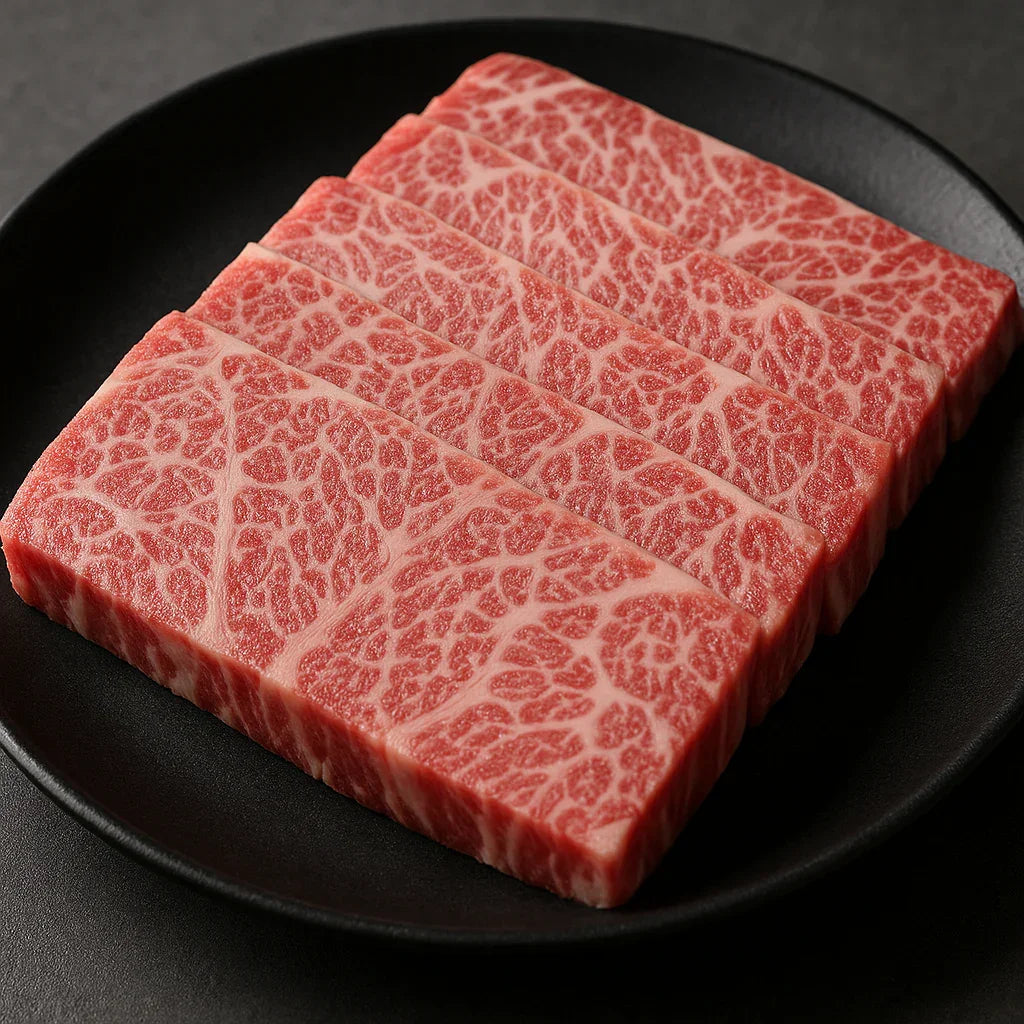


Pan-seared Ribeye with Wasabi and Soy Sauce
Japanese · 30 minutes · Serves 2 to 3
Wasabi Soy Pan-Seared Beef Eye Fillet
The beef eye fillet has evenly distributed marbling and a tender texture, making it ideal for simple Japanese-style cooking that highlights the beef's natural aroma. This time, we adopt the direction of the Japanese-style steak commonly found in Japanese households, using soy sauce, sake, mirin, and wasabi to bring out the umami. We do not use heavy black pepper or cream sauces, allowing the cleaner meat aroma of grass-fed beef to remain. It pairs well with white rice, salad, or roasted vegetables, making it suitable for a Hong Kong family dinner.
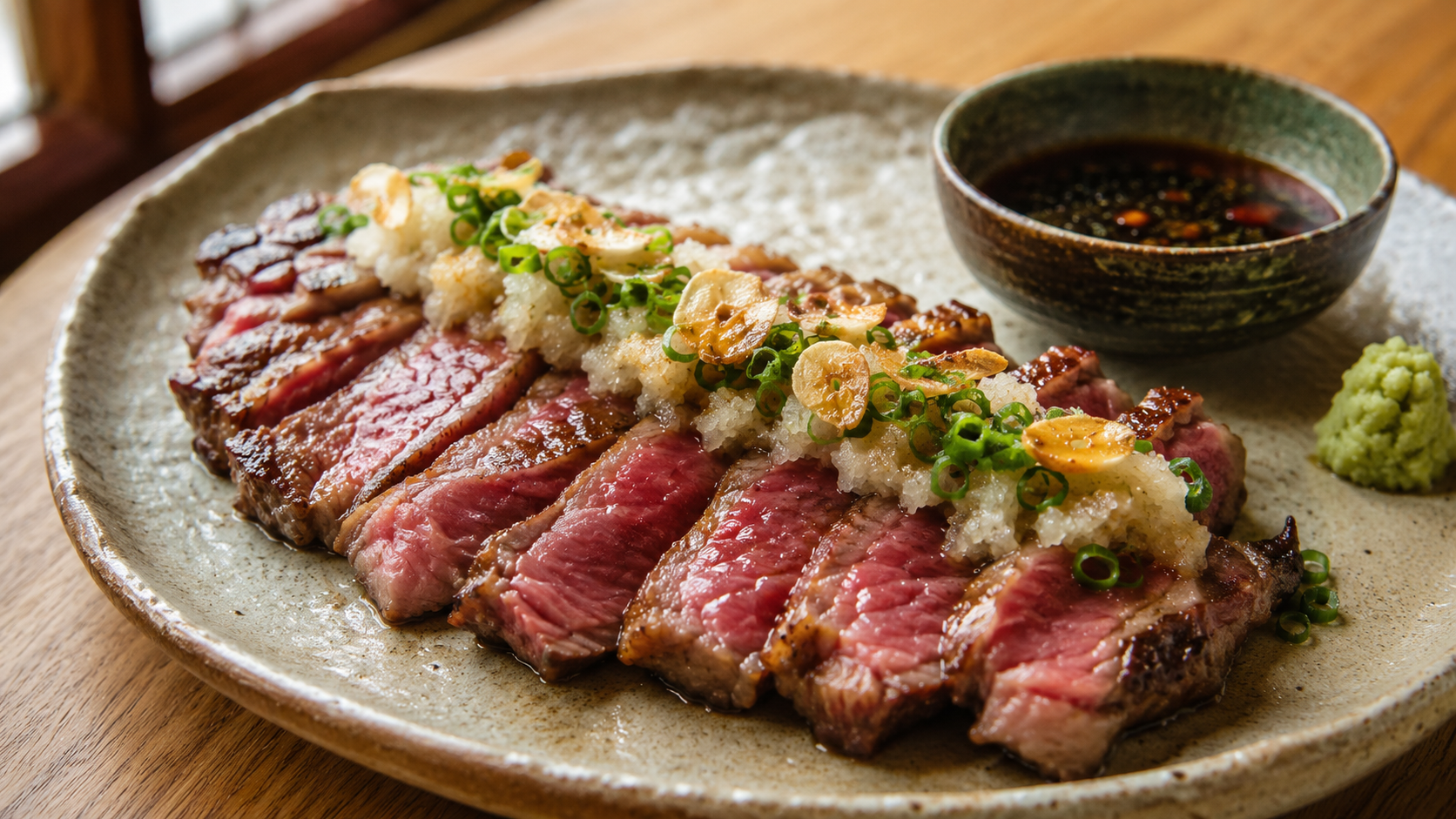
Quick Answer
Thaw the New Zealand grass-fed beef eye fillet steak in the refrigerator (if the product is frozen, follow the packaging instructions), pat dry the surface, season with salt and pepper, sear over high heat until caramelised, and serve with Japanese wasabi soy sauce. A 2cm thick beef eye fillet is suitable for cooking to medium-rare or to personal preference; let it rest for a few minutes before slicing to retain the juices.
Ingredients
- Beef eye fillet steaks 2 pieces (approx. 330g to 400g, approx. 2cm thick)
- Salt 1/2 teaspoon
- Black pepper a little
- Cooking oil 1 tablespoon
- Garlic 2 cloves (sliced)
- Japanese soy sauce 2 tablespoons
- Sake 1 tablespoon
- Mirin 1 tablespoon
- Wasabi paste 1 to 2 teaspoons
- Grated daikon radish 80g
- Chopped spring onion a little
Method
-
1. Thaw and prepare the steaks
If the steaks are frozen products, first thaw in the refrigerator according to the packaging instructions, avoiding prolonged placement at room temperature. Take out about 15 to 20 minutes before cooking to come to temperature, pat dry the surface moisture, and sprinkle salt and black pepper evenly on both sides.
-
2. Make the Japanese wasabi sauce
Mix the soy sauce, sake, and mirin and set aside. Grate the daikon radish and gently drain excess water, then add a small amount of wasabi as a refreshing accompaniment.
-
3. Sear over high heat for caramelisation
Preheat a frying pan over medium-high heat for about 2 minutes. Add cooking oil and garlic slices, fry until lightly golden, then remove. Add the steaks and sear for about 1 to 2 minutes on each side until a caramelised surface forms.
-
4. Adjust doneness
Reduce to medium-low heat and continue frying for about 1 to 3 minutes on each side, adjusting according to thickness and preference. A 2cm thick steak can be cooked to medium rare with a pink centre; if a safer doneness is required, cook to medium or above, and confirm the internal temperature with a food thermometer.
-
5. Rest to lock in juices
Place the steaks on a plate, cover with foil, and rest for about 5 minutes to allow the juices to redistribute, then slice into thick pieces.
-
6. Finish and plate
Serve the beef slices with grated daikon radish, wasabi, and garlic slices, drizzle with a small amount of Japanese sauce, and sprinkle with chopped spring onion to enjoy.
Frequently Asked Questions
Can a beef eye fillet steak be pan-seared in a frying pan to achieve a Japanese restaurant effect?
Yes. The key is to preheat the pan to a sufficiently high temperature, keep the steak surface dry, and sear for caramelisation before adjusting the heat. Japanese home-style wagyu steaks also commonly use the method of searing the beef and serving it with wasabi soy sauce.
What is the best doneness for a beef eye fillet steak?
Beef eye fillet has rich fat, so medium rare to medium usually retains tenderness and meat aroma. However, frozen beef and personal food safety requirements vary, so it is recommended to follow packaging instructions and avoid consuming undercooked meat.
Will wasabi soy sauce overpower the beef flavour?
No. Japanese-style steaks often use the umami of soy sauce and the pungency of wasabi to balance the beef fat. With proper portion control, it can enhance the meat aroma rather than mask the beef flavour.