 Skip to content
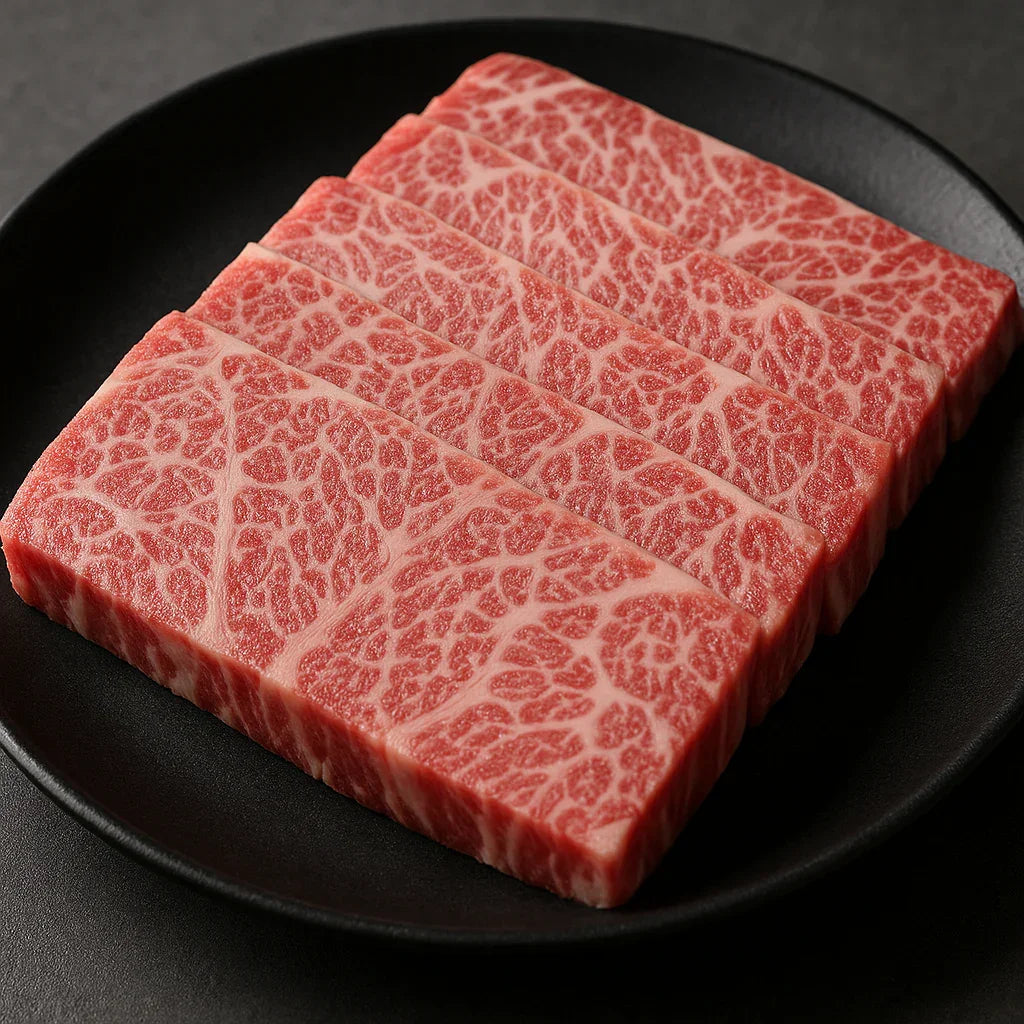


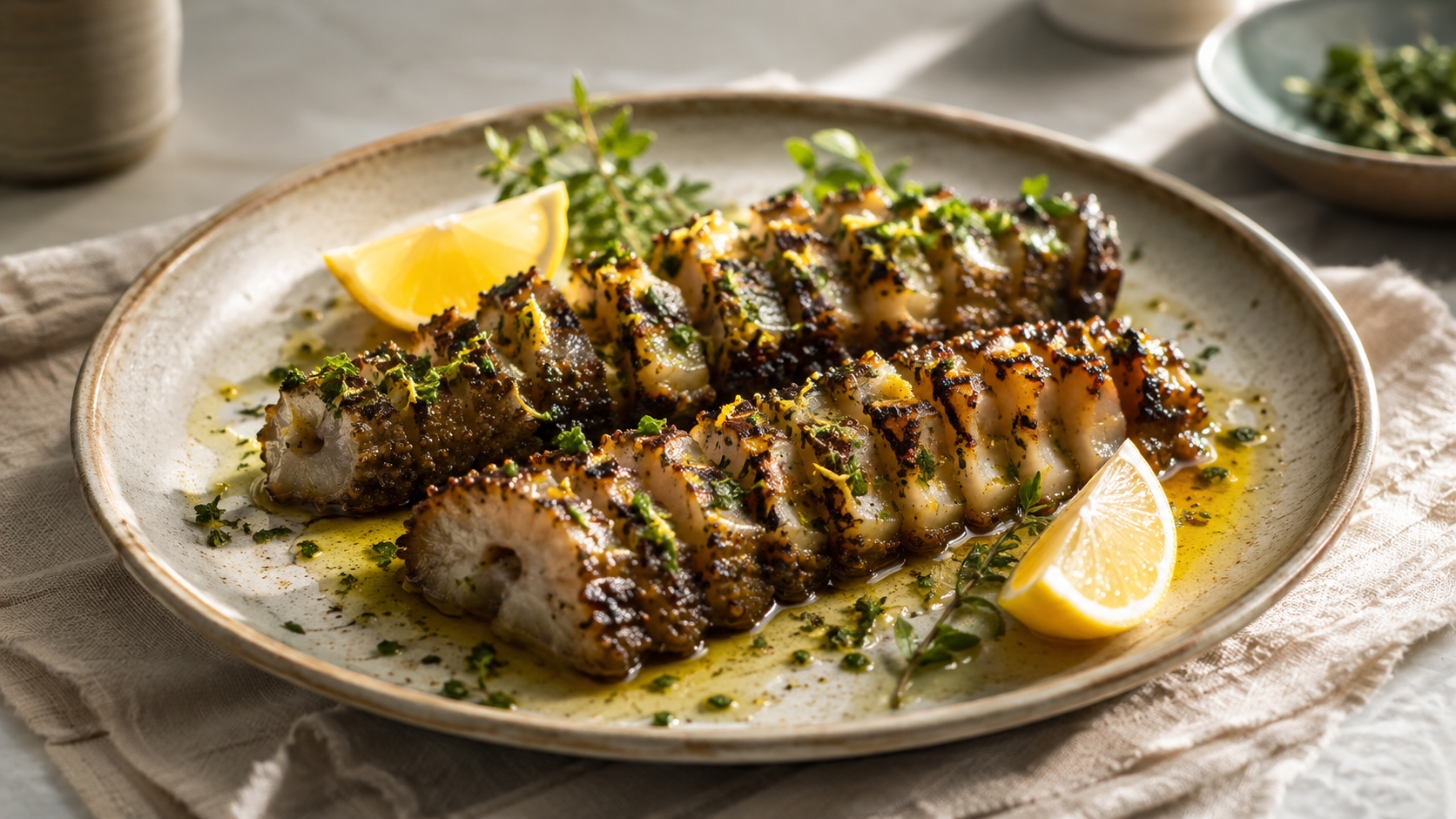
Mediterranean Char-grilled Sea Cucumber
Mediterranean cuisine · 30 minutes · Serves 2 to 3
Mediterranean Char-Grilled Sea Cucumber
Sea cucumber is not a typical Greek or Italian home-cooked ingredient; rather, it is a relatively rare seafood in Mediterranean culinary culture. However, the actual Mediterranean recipes researched are not arbitrarily assembled: the cooking content of Tomorrow Tastes Mediterranean directly records a sea cucumber preparation from Roses, Spain, where it is roasted in olive oil until browned on the surface, and finally seasoned only with black pepper and extra virgin olive oil; the Spanish fine-dining restaurant Enigma has also treated sea cucumber using the classic Spanish pil-pil technique. citeturn4view0turn5view0 Compared to approaches requiring heavy sauces and long stewing, char-grilling better preserves the sea cucumber's inherent smooth, gelatinous texture and is more suitable for implementation in Hong Kong households using a flat pan or a ridged grill pan. To make the flavour closer to the fresh seafood taste familiar to Hong Kongers, this recipe uses lemon, extra virgin olive oil, oregano, and parsley—common in the Mediterranean—as a final garnish, reducing oil and spicy elements to let the sea cucumber be the star.
Quick Answer
This method draws on the less common but documented char-grilling style for sea cucumber along the Mediterranean coast: first thaw according to package instructions, pat dry, then directly pan-fry over medium-high heat until the surface has a distinct smoky char, finishing with extra virgin olive oil, lemon, and a small amount of herbs. If the product is raw sea cucumber, it must be fully heated according to product requirements; do not assume it is cooked just because it has been rehydrated; use a food thermometer to confirm the centre reaches at least 63°C as a conservative seafood safety standard.
Ingredients
- Rehydrated sea cucumber 400 to 450g
- Extra virgin olive oil 2 tablespoons
- Lemon 1 piece
- Dried oregano 1/2 teaspoon
- Fresh parsley 1 tablespoon, chopped
- Freshly ground black pepper to taste
- Fine salt a small amount
Method
-
Thaw according to package requirements
If the sea cucumber is still frozen, prioritise following the package instructions; if there are no other instructions, it can be placed in the refrigerator to thaw slowly overnight. For urgent use, it can be soaked in cold water in a sealed bag; cook immediately after thawing, and never thaw at room temperature.
-
Pat dry and tidy
After thawing, thoroughly pat dry surface moisture with kitchen paper, checking for sand grains or residual internal organs; if the product is labelled as uncooked, first cook it according to the method specified on the package, then proceed with the following char-grilling steps. Do not assume on your own that 'rehydrated' equals 'cooked'.
-
Prepare Mediterranean aromatics
Squeeze about 1 tablespoon of juice from the lemon, reserving a small amount of lemon zest; mix with 1 tablespoon of extra virgin olive oil, dried oregano, and a small amount of black pepper. This is only for final flavouring; do not soak the sea cucumber in a heavy sauce, preserving the direct char-grilled main style.
-
Preheat the pan
Preheat a ridged grill pan or heavy-bottomed flat pan over medium-high heat for about 3 minutes. Drop a small drop of water onto the pan; it should evaporate immediately and quickly, indicating the pan surface is hot enough; brush with the remaining 1 tablespoon of olive oil.
-
First fry to create a char
Place the sea cucumber, maintaining medium-high heat and frying for about 3 to 4 minutes, without constantly turning it. Wait until the side in contact with the pan shows clear golden-brown grill marks and the surface has dried out, then flip and fry for about 3 minutes. The Mediterranean method from Roses also centres on first roasting until clearly browned.
-
Confirm doneness
If the sea cucumber was originally a raw product, continue heating until the centre reaches at least 63°C as a conservative seafood safety standard; the food thermometer should be inserted into the thickest part. If the product itself is already cooked, judge by thorough heating, surface grill marks, and the centre remaining smooth, avoiding prolonged dry frying which can make the texture tough.
-
Final seasoning and plating
Immediately after turning off the heat, drizzle with lemon olive oil, and sprinkle with lemon zest, parsley, and a small amount of black pepper. Gently toss once and serve while hot. The combination of lemon and olive oil is very common in Italian and Greek Mediterranean seafood dishes; traditional versions also add oregano, parsley, and garlic aroma.
Frequently Asked Questions
Can a flat pan be used instead of char-grilling for sea cucumber?
Yes. Use a heavy-bottomed flat pan, preheat over medium-high heat, and then pan-fry. The key is that the pan surface is hot enough and the sea cucumber surface is dry enough to form smoky grill marks, rather than steaming in its own water in the pan.
Can rehydrated sea cucumber be eaten directly?
No, you cannot judge it as cooked solely based on 'rehydrated'. Rehydration only allows dried sea cucumber to absorb water and regain softness; whether the product is raw, cooked, or in another processed state must be based on the package label and cooking instructions. If it is raw seafood, it should be fully heated; the FDA's general seafood safety advice is to confirm appropriate safe temperatures with a food thermometer.
Why doesn't this Mediterranean sea cucumber use oyster sauce or soy sauce?
Because this time we chose the actually documented Mediterranean sea cucumber roasting direction, rather than changing Chinese sea cucumber stewing into Mediterranean sauce. The Roses method itself roasts with olive oil, finishing with black pepper and extra virgin olive oil; therefore, using lemon, oregano, and parsley as a small extension maintains the original style better than adding strong-flavoured soy sauce.
Does frying sea cucumber longer make it more tender?
Not necessarily. The texture of sea cucumber depends highly on the raw material state and pre-treatment; excessive dry frying may actually make the surface tough. The focus of the Mediterranean roasting direction is short-time high heat to form a smoky char, not relying on long-time drying. If using raw fresh sea cucumber, it must first be fully cooked, after which it is suitable for short-time roasting.