 Skip to content


How many 170g Chicken Breast Meatballs to eat per meal? Fitness Meal Prep: should you count by protein or portion size?
Popular Questions Answered
How many 170g Chicken Breast Meatballs to eat per meal? Fitness Meal Prep: should you count by protein or portion size?
Do not simply decide how much to eat for a meal based on 'one pack 170g' or 'about 8 pieces'. A more practical approach is to first set your daily protein goal based on your weight, training volume and dietary goals, then check the protein value on the chicken breast meatball packaging to calculate how many grams you need for a meal. This product is labelled 170g per pack, about 8 pieces, and provides 27.2g of protein; the actual weight and protein per piece should be based on the batch label on the product you have, and it is not advisable to treat the fixed number of pieces as the standard answer for everyone.
Illustrated Key Points
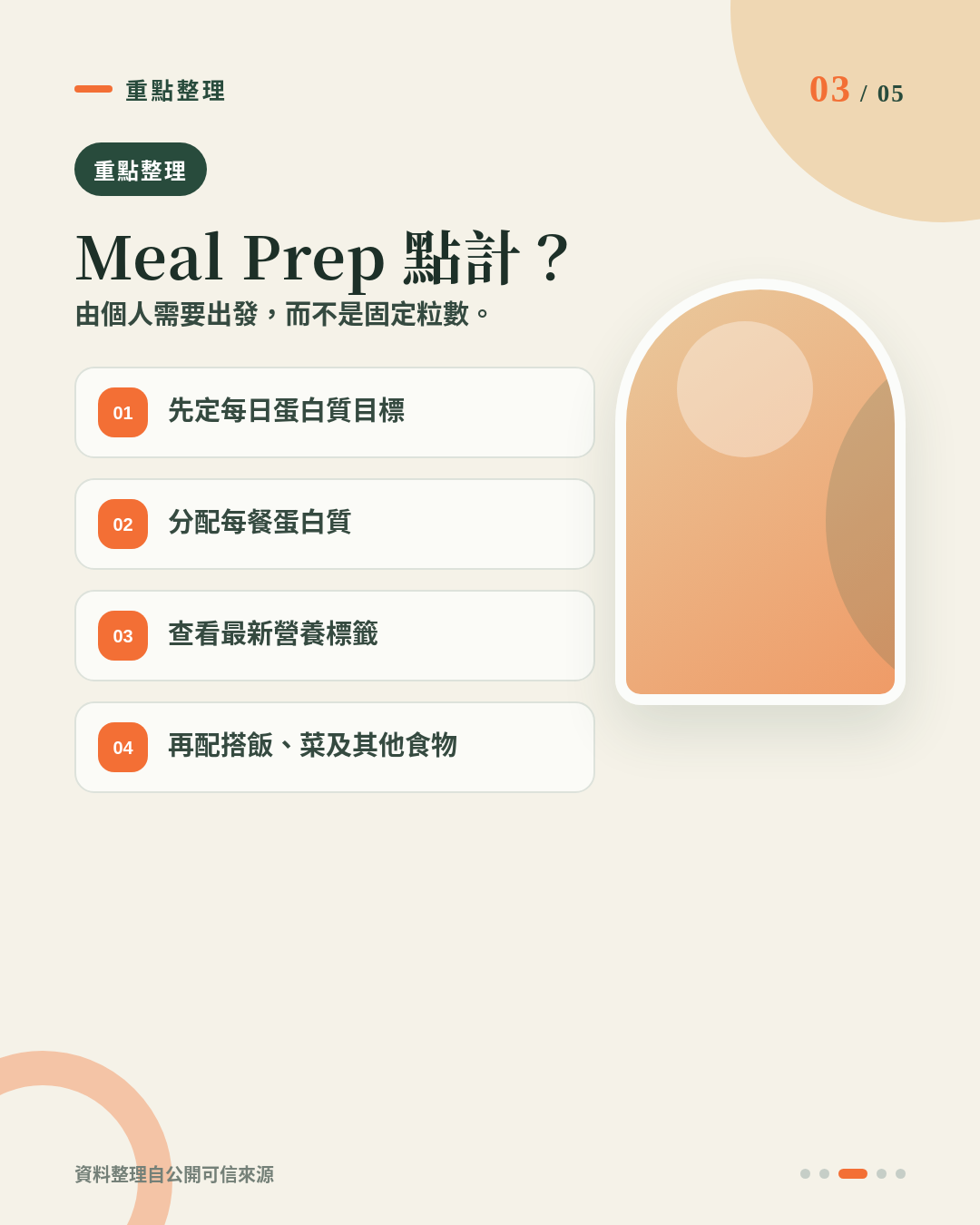
For those doing fitness Meal Prep, strength training or calorie control, the convenience of chicken breast meatballs lies in easy portioning, but the question 'how many pieces exactly for a meal?' actually has no single answer. What should really be calculated is how much protein you need for a meal, then convert it into the corresponding portion using the product nutrition label. Hong Kong 01 cites data from a registered nutritionist indicating that protein requirements can be considered based on weight and activity level; at the same time, muscle-building or fat-loss meals should not focus solely on protein, and carbohydrates, fats and vegetables also need to be included in the overall meal plan.
1. First set a daily protein goal, then decide how much to eat for a meal
If you are doing muscle gain, strength training or fat loss, the first step is not to count chicken breast meatballs, but to first understand how much protein you need daily. An article by a registered nutritionist in Hong Kong 01 mentions that people with different activity levels can estimate protein needs based on weight and exercise volume; another article also points out that muscle-building meals should not rely solely on large amounts of chicken breast or eggs, but should be combined with an overall diet. Actual needs will still vary depending on individual weight, activity level, goals and overall diet.
- First, determine your own daily protein goal.
- Then allocate the daily goal to breakfast, lunch, dinner and other snacks.
- Do not rely solely on chicken breast meatballs to provide all the day's protein.
2. 170g per pack, how should it be converted?
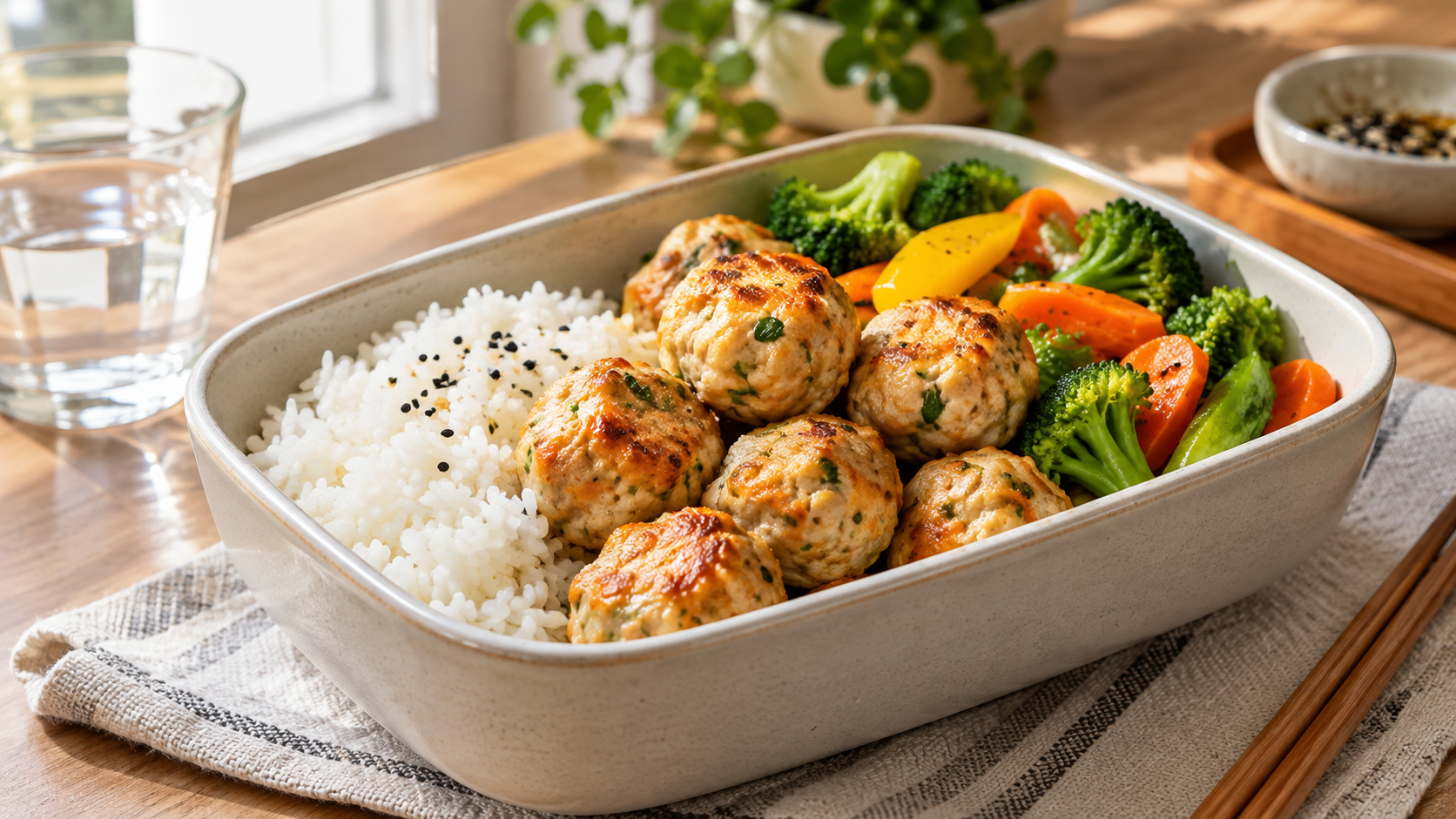
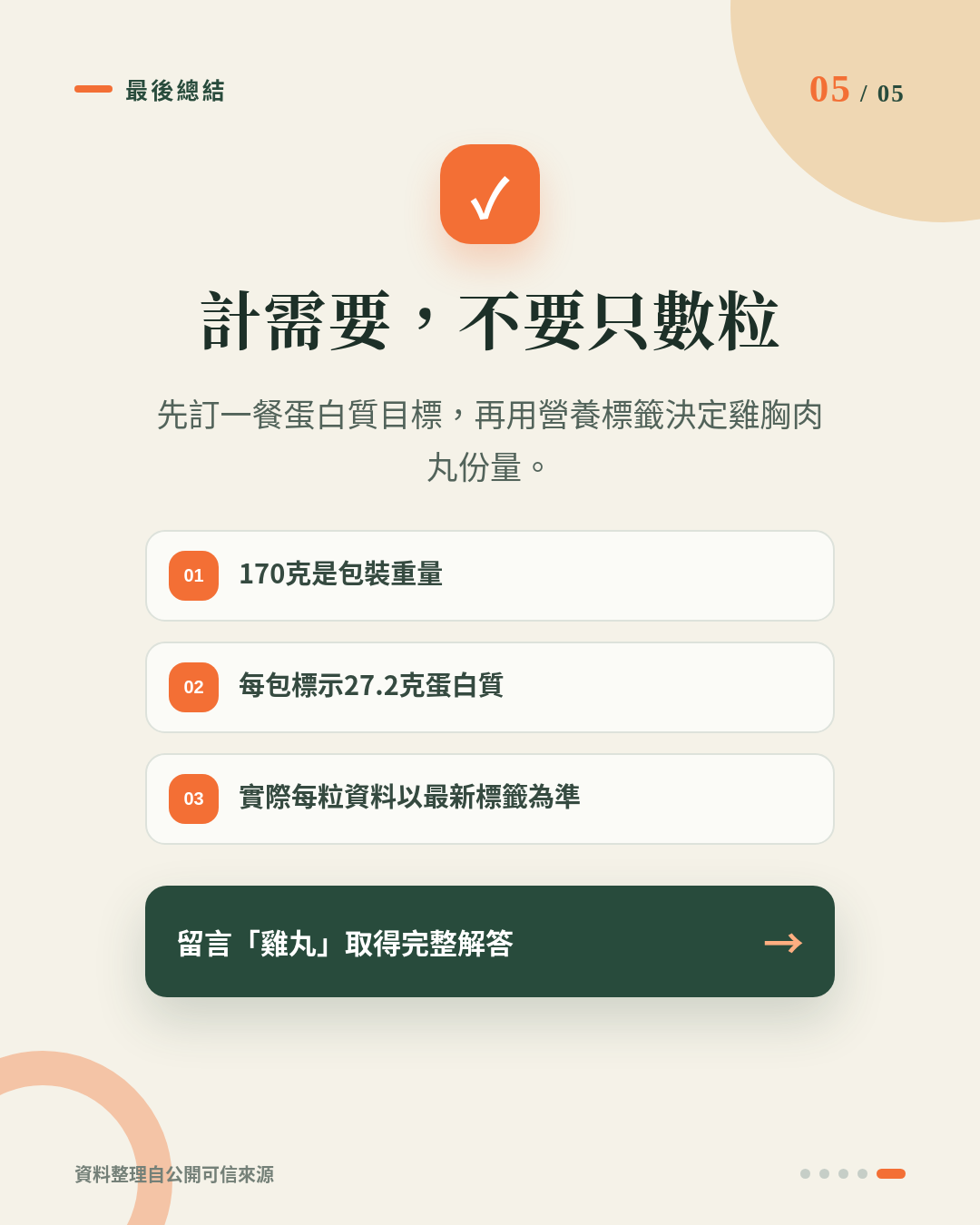
The product data for this fitness chicken breast meatball is labelled 170g per pack, about 8 pieces, and indicates 27.2g of protein per pack. Therefore, 170g is the packaging weight, while 27.2g is the more direct data for judging the protein portion. If you need to adjust the protein portion for a meal, you should calculate based on the protein data on the nutrition label, rather than simply using '8 pieces' as a standard. Since only about 8 pieces can be observed in the picture, the actual weight and protein content per piece should still be verified against the label of the product batch you have.
- Packaging weight: 170g.
- Packaging info: about 8 pieces.
- Protein per pack: 27.2g.
- Actual weight and protein per piece: Not provided, please verify with product label.
3. Meal Prep should not only calculate chicken breast meatballs
The portion of a meal should not only look at protein. Hong Kong 01 cites a registered nutritionist noting that muscle-building and fat-loss diets also need to consider carbohydrates and fats, and protein can be obtained from different foods. When doing Meal Prep, you can first arrange the main protein source, then add rice, potatoes, sweet potatoes, vegetables or other ingredients according to your own calorie and dietary needs, rather than turning the whole meal into 'chicken breast meatballs + a little vegetable'.
- Protein: Chicken breast meatballs, eggs, fish, tofu, etc., can be paired together.
- Carbohydrates: Rice, potatoes, sweet potatoes, etc., can be arranged according to your personal meal plan.
- Vegetables: Arrange according to the overall portion and dietary habits of the meal.
- Fats: Do not completely ignore overall dietary balance just because you are pursuing high protein.
4. Common misconceptions: using 'how many pieces' to replace personal protein needs
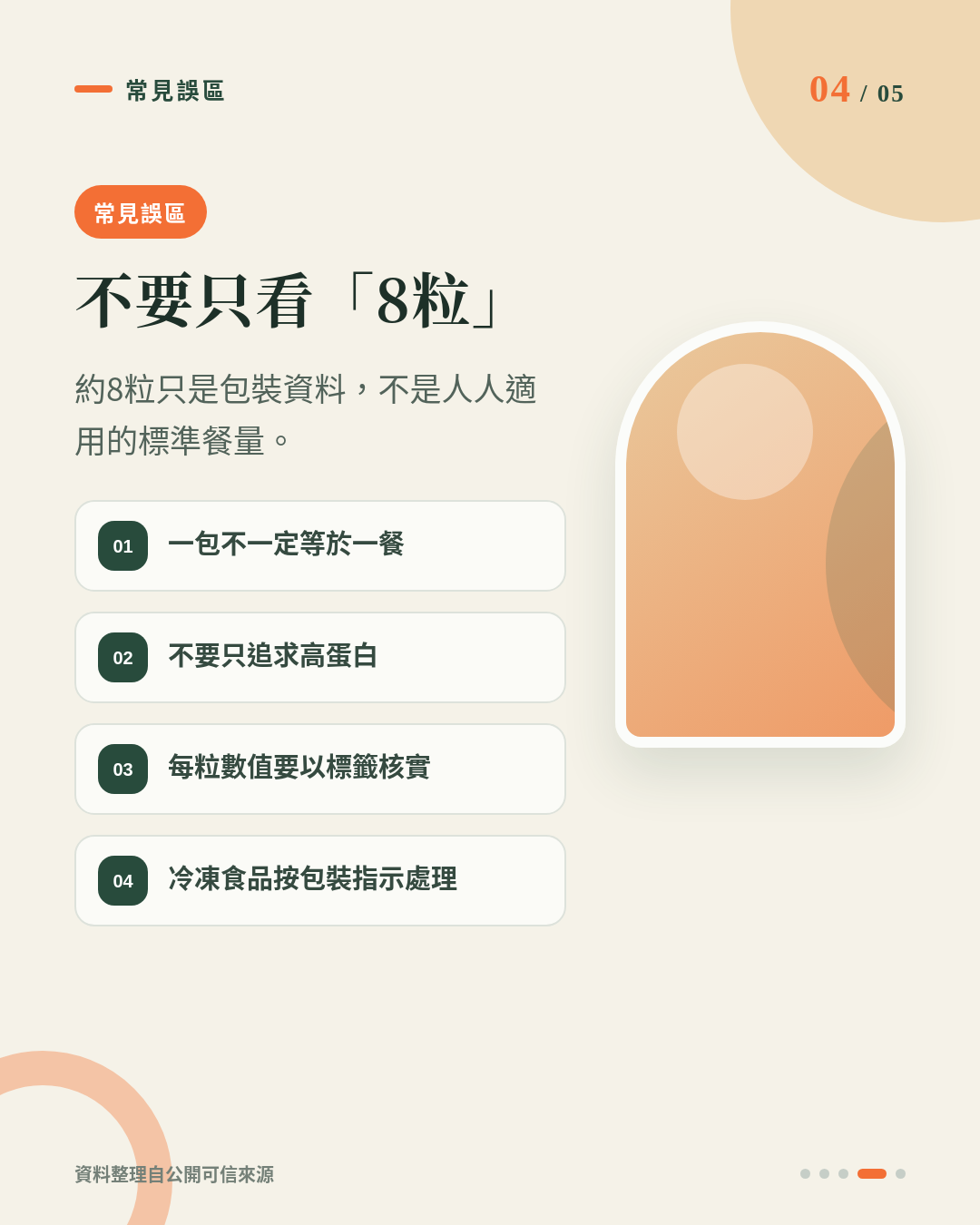
The most common problem is seeing '170g about 8 pieces' and directly thinking that a fixed number must be eaten for every meal. In fact, the same pack of chicken breast meatballs can represent a different protein ratio for people with different weights, training volumes and daily dietary arrangements. Another misconception is only pursuing protein while ignoring other foods. As for the handling of frozen chicken breast meatballs, you should follow the storage, thawing and cooking instructions on the product packaging; the Centre for Food Safety also reminds that pre-prepared dishes should be handled according to packaging instructions and should not be thawed at room temperature.
- Misconception 1: Assuming one pack equals one meal without considering individual needs.
- Misconception 2: Assuming approximately 8 pieces is the standard portion size for everyone.
- Misconception 3: Counting only protein while ignoring the overall meal composition, including rice, vegetables, and fats.
- Misconception 4: Thawing frozen food at room temperature at will, without following the packaging instructions.
5. Practical judgment: how much should you actually eat?
The simplest approach is to first write down the number of grams of protein you want to consume for a meal, then check the protein content on the product label, and finally decide how many chicken breast meatballs you need. For this product, each pack is labelled with 27.2g of protein, so '27.2g protein / 170g product' can be used as known information at the packaging level; if the protein for a meal will also come from eggs, dairy, tofu or other foods, these sources should be calculated together. Do not assume that you must eat the full 8 pieces just because the packaging says about 8 pieces.
- Step 1: Set your daily protein target.
- Step 2: Allocate the protein required for one meal.
- Step 3: Check the nutrition label on the latest packaging of chicken breast meatballs.
- Step 4: Adjust the product weight based on the protein value, then pair it with other ingredients.
- Step 5: If the product label differs from previous information, refer to the label on the latest batch in hand.
Frequently Asked Questions
How many chicken breast meatballs should I eat per meal for 170g?
There is no fixed number suitable for everyone. This product indicates approximately 8 meatballs per 170g and 27.2g of protein per pack, but the actual amount should be determined based on your daily protein target and other food sources. Please verify the actual weight and protein content per meatball on the product label.
Can I just take one 170g pack as a meal?
It depends on your overall meal plan, but you should not simply treat a 170g pack as a fixed portion just because it is one pack. You need to consider the protein target for that meal, the portion of rice and dishes, and other protein sources at the same time.
If I am trying to build muscle, is it better to eat as many chicken breast meatballs as possible?
No. Protein requirements should be matched to personal weight, activity level, and overall diet. A Hong Kong 01 article citing a registered nutritionist also points out that a muscle-building diet cannot focus solely on protein; carbohydrates and fats also need to be included in the meal plan.
How should I handle frozen chicken breast meatballs for Meal Prep?
Prioritize the storage, thawing, and cooking instructions on the product packaging. The Centre for Food Safety recommends that pre-prepared meals be stored, thawed, and thoroughly cooked or reheated according to package instructions, and that thawing at room temperature be avoided.