 Skip to content


What Is the Best Way to Thaw Frozen Beef Short Ribs? Comparing Overnight Fridge, Running Cold Water, and Microwave Methods
Frequently Asked Questions
What is the best way to defrost frozen beef short ribs? A comparison of overnight fridge thawing, running cold water, and microwave
The most reliable method is to move the frozen beef short ribs to the refrigerator at 0 to 4°C the night before to thaw slowly; if you are in a hurry, you can use a sealed package under running cold water to speed up the process; the microwave is the fastest, but the meat must be cooked immediately after thawing. It is not recommended to thaw raw meat naturally at room temperature.
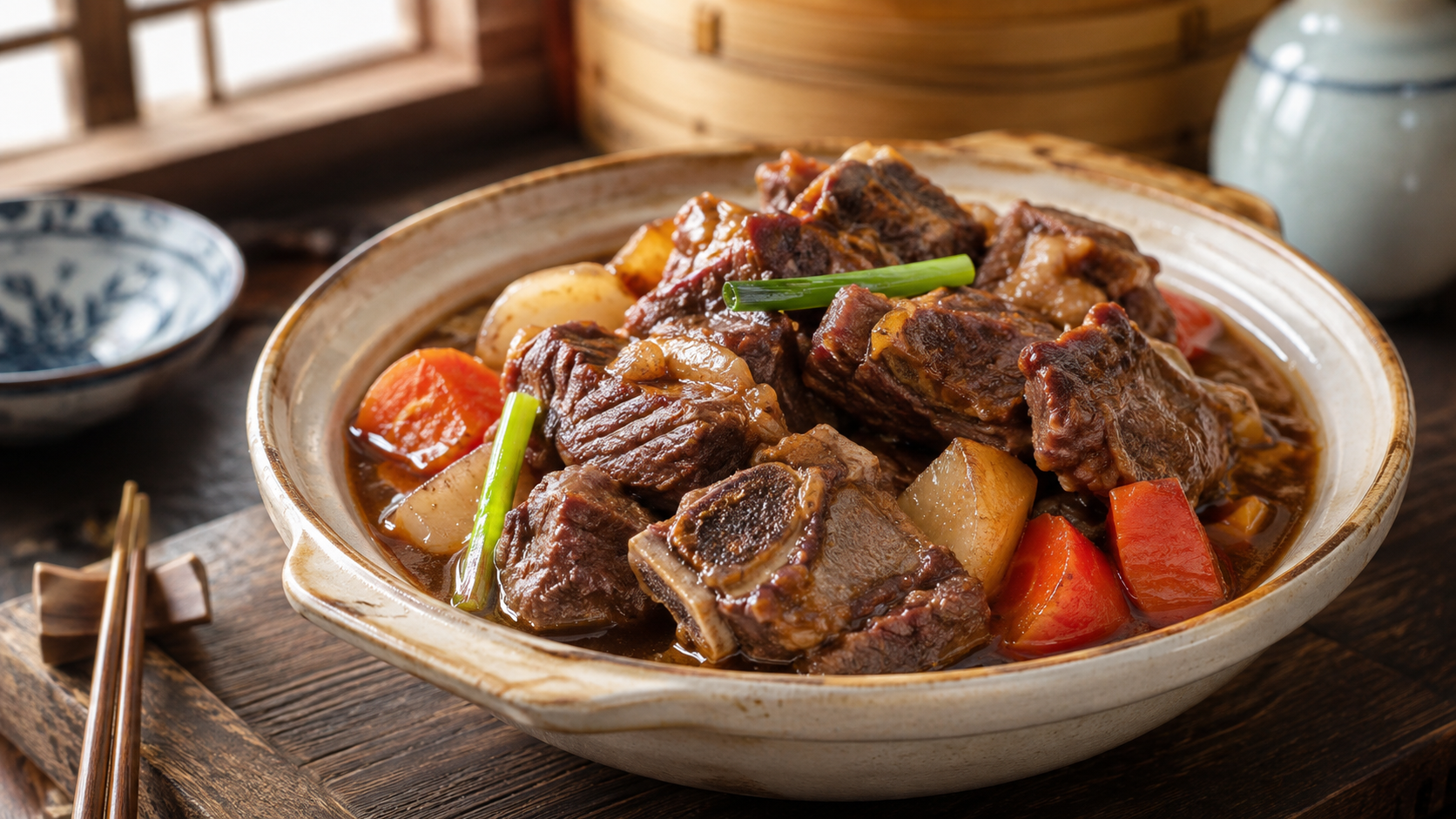
Key Points Illustrated



To maintain the texture of frozen beef short ribs while handling them safely, the key is not just 'thawing quickly' but avoiding keeping raw meat in the temperature range where bacteria easily grow for extended periods. For most households, low-temperature refrigerator thawing is the most recommended; running cold water or the microwave should only be chosen when time is tight. Below is a one-time comparison of the speed, method, and suitable scenarios for the three methods.
1. Most Recommended: Thaw in the Refrigerator at 0 to 4°C the Night Before
If time permits, refrigerator thawing is usually the most reliable choice. Place the frozen beef short ribs in their original packaging, or in a sealed container or zip-lock bag, and put them on the lower shelf of the refrigerator to prevent meat juices from dripping onto other foods. The US Department of Agriculture points out that refrigerator thawing is a basic safe method; after thawing, smaller cuts of beef such as steaks can generally be stored for a few more days if kept properly refrigerated, but you should still follow the packaging instructions, product condition, and storage temperature.
- Suitable for: Those with time who want to plan dinner in advance
- Recommendation: Move from the freezer to the lower refrigerator shelf the night before
- Advantage: Maintains low temperature throughout, allowing for the most relaxed handling
- Note: Thawing time depends on thickness, quantity, and the actual refrigerator temperature
2. Running Cold Water for When in a Hurry, But Must Be Sealed
Thawing in running cold water is faster than the refrigerator and suitable for last-minute decisions to cook beef short ribs. First, ensure the meat packaging is completely sealed to prevent water from directly contacting the raw meat; then use cold running water. Some official guidelines also suggest changing the water approximately every 30 minutes when using the cold water immersion method, with the focus on maintaining a low temperature continuously. After thawing is complete, it should be cooked immediately; it is not recommended to leave it at room temperature to wait.
- Check the packaging for any damage or leaks first
- Use only cold water, do not use hot water
- If using the immersion method, change the cold water approximately every 30 minutes
- Cook thoroughly immediately after thawing is complete
3. Microwave is Fastest, But Tests Immediate Handling Most
The microwave is suitable for when you are truly in a hurry, for example, when you suddenly remember the meat is not thawed. However, during microwave thawing, some parts of the beef short ribs may have started to heat up, so it is not advisable to leave it aside to wait after thawing. Operate according to the microwave's defrost function and the weight of the food, and immediately sear, roast, or otherwise cook thoroughly after completion.
- Suitable for: When time is very tight
- Operate according to the microwave defrost mode and product weight
- Turn over or separate meat pieces as needed during the process
- Cook immediately after thawing, do not delay
4. How to Choose Among the Three Methods? Decide Based on Your Meal Time
If you plan to cook tonight or tomorrow night, refrigerator thawing is the most convenient; if you have some preparation time but forgot to start thawing a day earlier, you can choose sealed packaging with cold water; only consider the microwave if you are already ready to start cooking. In any case, the storage and cooking instructions on the product packaging should take priority, especially for bulk or large-portion products, where the thawing speed may not be the same as for a single steak.
- Have one night's time: Refrigerator thawing
- Want it faster: Sealed packaging with cold water
- Need to cook immediately: Microwave thawing then cook immediately
- Least Recommended: Leaving at room temperature to 'warm up slowly'
5. Common Misconceptions: Room Temperature Thawing and Rinsing with Hot Water Are Not Ideal
The most common mistake is placing frozen beef short ribs directly on the kitchen counter for several hours to wait for them to soften naturally. Official food safety advice does not list room temperature thawing as a safe method, because the outer layer of the meat may warm up first while the centre is not yet fully thawed. Another misconception is using hot water to speed up the process, which can also cause the surface of the meat to warm up too quickly. To be fast and safe, you should choose among the three methods: refrigerator, cold water, or microwave.
- Do not leave at room temperature to thaw for a long time
- Do not soak or rinse with hot water
- Keep the packaging sealed for the cold water method
- Cook immediately after cold water or microwave thawing
Frequently Asked Questions
How long does it take to thaw beef short ribs in the refrigerator?
There is no single fixed time; it is affected by the thickness of the beef short ribs, total weight, whether it is a bulk pack or large portion, and the actual refrigerator temperature. The most practical approach is to start a day in advance; if it is not fully thawed, continue to keep it in the 0 to 4°C refrigerator, and prioritize the product packaging instructions.
Can frozen beef short ribs be thawed at room temperature?
Not recommended. When raw meat is left at room temperature, the outer layer may warm up earlier, increasing food safety risks. The safer choices are refrigerator, cold water, or microwave thawing.
When thawing with water, can the beef be immersed directly?
It is recommended to keep the original packaging intact, or seal it in a leak-proof zip-lock bag, and then use cold water, to avoid raw meat directly contacting water or meat juices leaking and causing cross-contamination.
Can meat thawed in the microwave be put back in the refrigerator to cook later?
Not recommended. After microwave thawing, some parts may have started to heat up, and official advice is to cook immediately.
Can meat thawed in cold water be put back in the freezer?
The handling method should follow official food safety guidelines and product packaging requirements. Generally, beef thawed by cold water or microwave should be cooked immediately; if you need to refreeze, it is safer to cook it thoroughly in a safe manner first before storing as needed.