 Skip to content
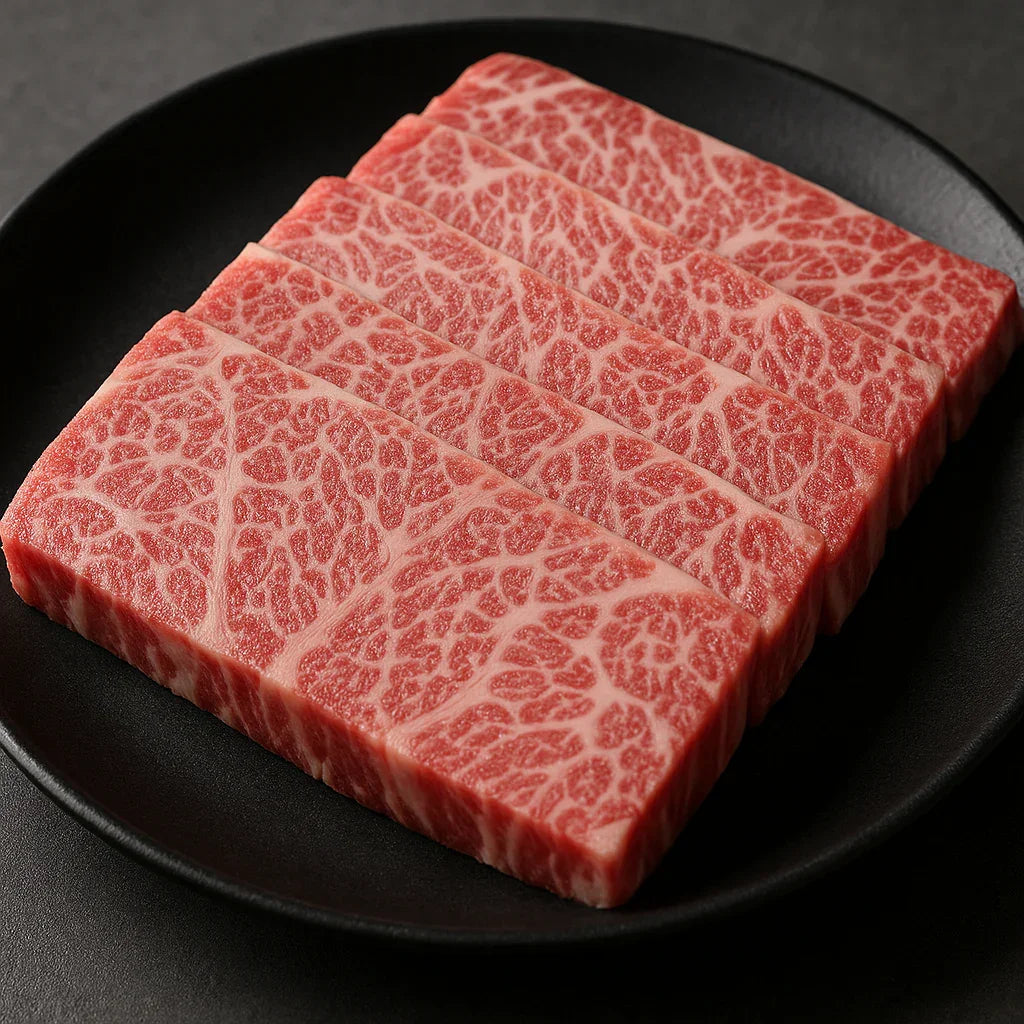


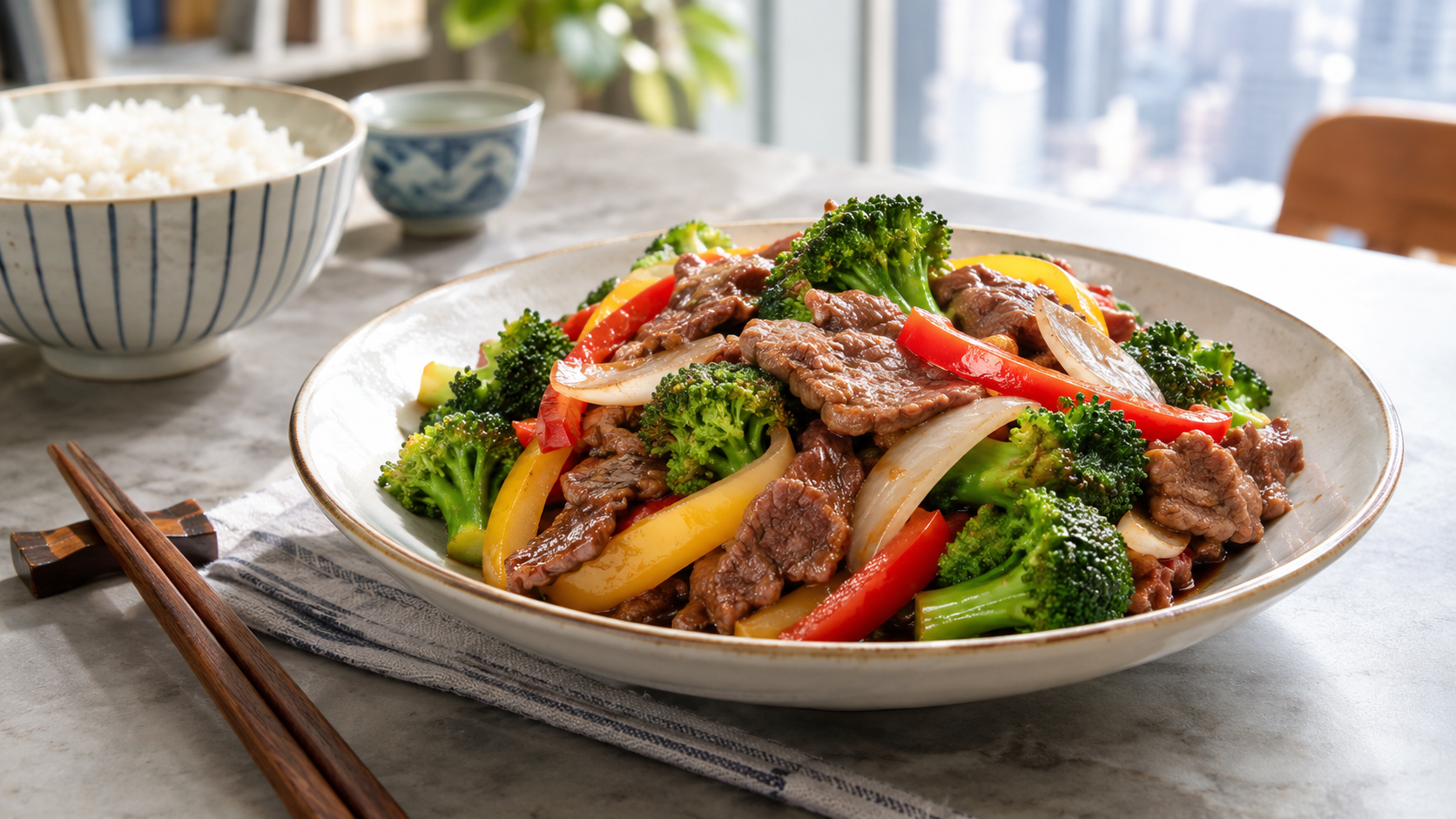
Frozen stir-fry beef slices partially thawed, with ice water: how to handle? Fitness meal prep: cook immediately, refrigerate, or refreeze, explained once and for all.
Frequently Asked Questions
Frozen stir-fry beef slices partially thawed with ice water: how to handle? A complete guide for fitness meal prep on cooking immediately, refrigerating, or refreezing
Do not judge solely based on the presence of 'ice water'. If the beef slices have been thawing in a refrigerator at 0 to 4°C and have remained at 4°C or below throughout, they can be kept in the refrigerator for further storage or refrozen. If thawed under running cold water or in a microwave, they should be cooked immediately after thawing and should not be refrozen directly. If they have been left at room temperature for a period, or if the time and temperature during thawing cannot be confirmed, do not rely on appearance, smell, or a small amount of ice water to judge safety; handle according to food safety principles and discard if necessary.
Key Points Illustrated
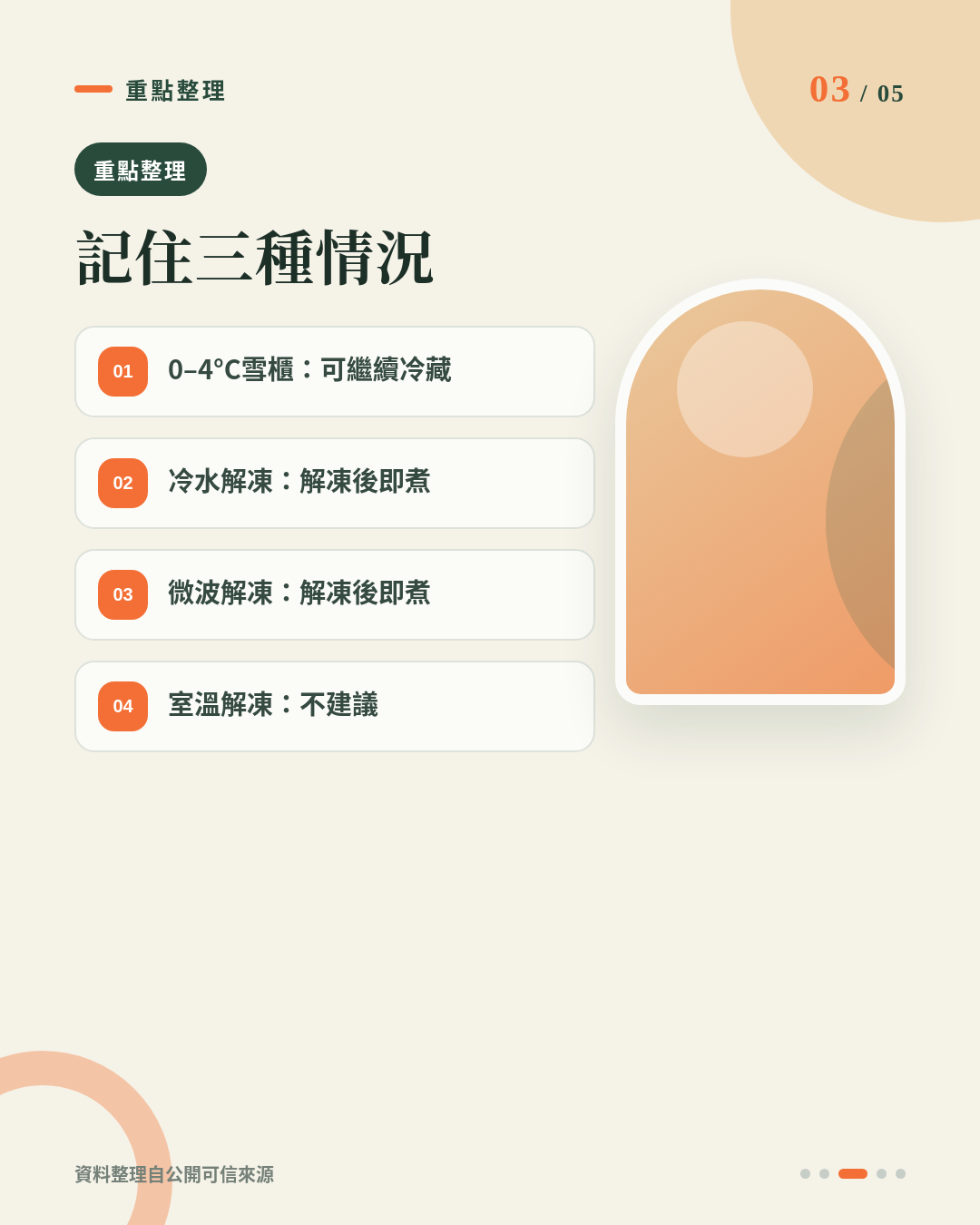
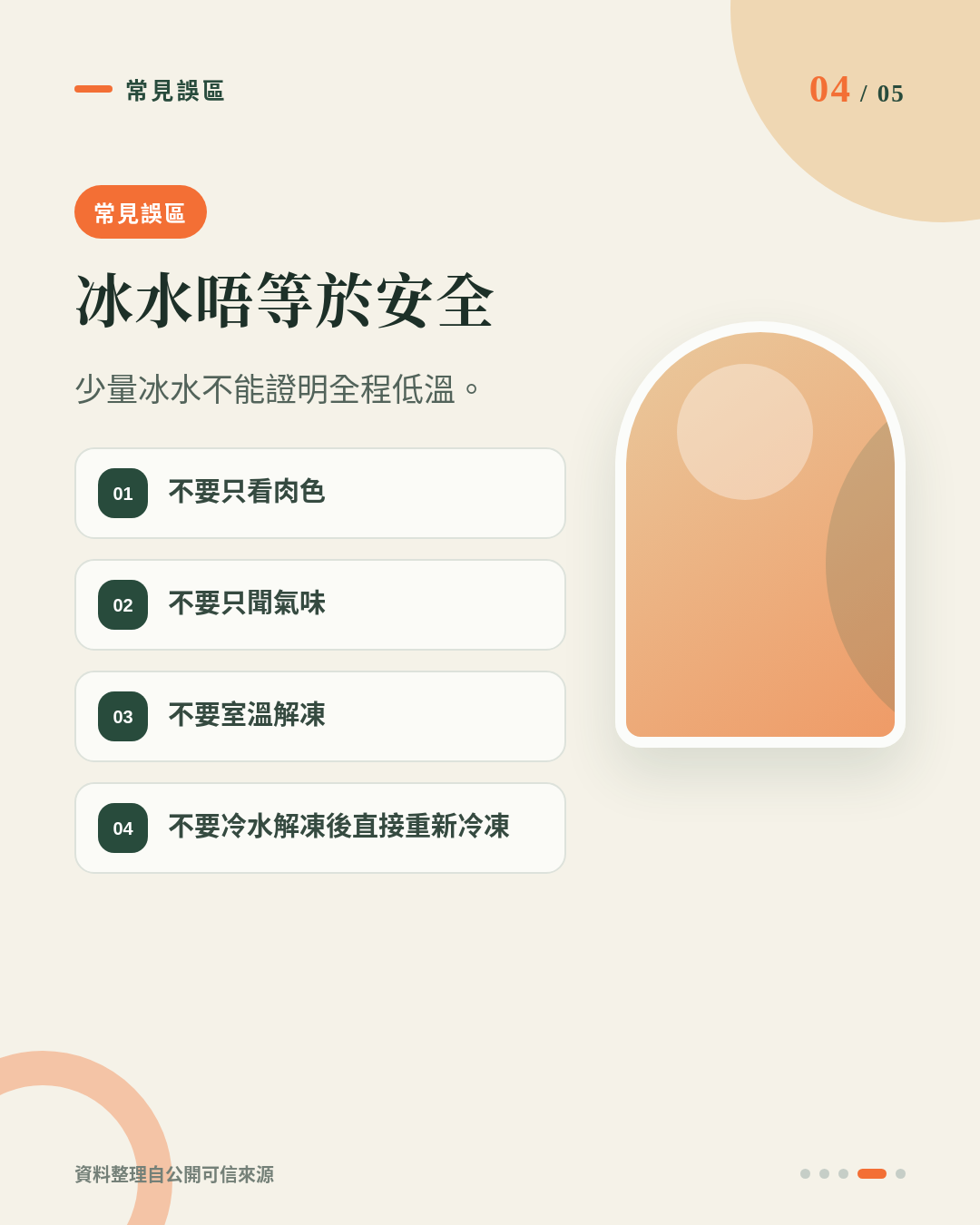
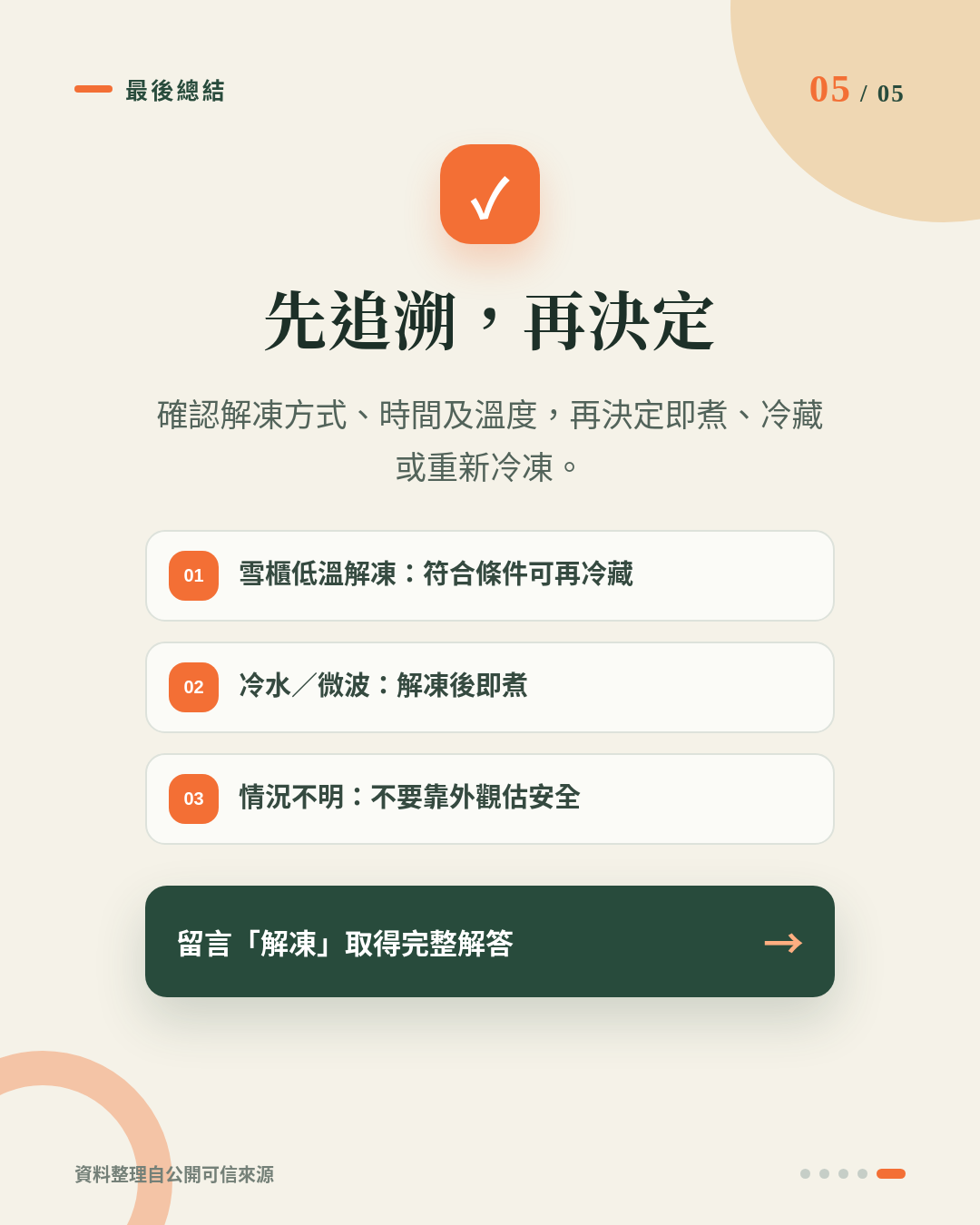
For fitness meal prep, the most common situation upon receiving frozen stir-fry beef slices is not complete melting, but rather the meat slices becoming soft, a small amount of ice water in the packaging, or even ice crystals remaining in the middle. At this point, the real judgment is not 'whether it looks thawed', but how the beef was previously thawed, what temperatures it was exposed to, and how long it was kept at low temperatures. The Food Safety Centre of Hong Kong points out that thawing in a refrigerator at 0 to 4°C is a safe method; if kept at 4°C or below throughout, it can be refrigerated again after thawing. Conversely, after thawing under running cold water or in a microwave, it should be cooked immediately, while thawing at room temperature is not recommended.
1. Partially thawed with a small amount of ice water: the first step is to check the thawing process
'Partially thawed' itself does not equal unsafe. The US Department of Agriculture Food Safety and Inspection Service (USDA FSIS) points out that if food still has ice crystals, or if the entire item is maintained at 40°F / approx. 4.4°C or below, it can be safely refrozen; however, repeated thawing and refreezing may affect quality. The Food Safety Centre of Hong Kong uses a refrigerator at 0 to 4°C as the thawing method and points out that if thawed in the refrigerator and kept at 4°C or below throughout, it can be refrigerated again.
- Thawing continuously in a refrigerator at 0 to 4°C: can be kept in the refrigerator for further processing or refrozen.
- Thawing under running cold water: should be cooked immediately after thawing is complete.
- Thawing in a microwave: should be cooked immediately after thawing.
- Previously left at room temperature: do not use 'still has ice water' as proof of safety.
2. Why 'having ice water' cannot alone determine safety?
Moisture in the packaging only indicates that the meat slices have undergone some thawing; it does not tell you the temperature over the entire period. The Food Safety Centre of Hong Kong points out that refrigeration cannot kill harmful microorganisms; after food is thawed, if it is at temperatures conducive to microbial growth, it must be handled with greater care. The USDA also reminds that food safety cannot be judged solely by appearance or smell.
- The amount of ice water is not a substitute indicator for safe temperature.
- Meat slices becoming soft does not necessarily mean they are unsafe.
- The absence of ice crystals does not necessarily mean they were at dangerous temperatures.
- It is best to trace the receiving, transportation, thawing, and refrigeration processes.
3. Three common thawing methods: how should meal prep handle them?
For fitness clients who need bulk meal preparation, the most practical approach is to link the 'thawing method' with the 'next step'. The Food Safety Centre of Hong Kong recommends thawing in a refrigerator at 0 to 4°C; running cold water and microwaves can also be used for quick thawing, but should be cooked immediately afterwards. When thawing under running cold water, the food should be properly sealed, the water temperature should be kept at 25°C or below, and thawing should not exceed 4 hours.
- Refrigerator at 0 to 4°C: thaw slowly and maintain low temperature; can be refrigerated again if conditions are met.
- Running cold water: cook immediately after thawing is complete; do not refreeze directly.
- Microwave: cook immediately after thawing; do not refreeze directly.
- Room temperature: explicitly not recommended by the Food Safety Centre of Hong Kong.
4. When receiving partially thawed beef, you can use this practical decision process
For meal prep receiving, first record the condition upon receipt, then confirm the product packaging and storage instructions. For partially thawed beef, the most important thing is to know whether it was maintained under frozen or refrigerated conditions during transportation or processing. If it has only changed from a frozen state to a still very cold state with ice crystals, and low-temperature storage can be confirmed, refreezing is valid in principle of safety; if it has already been thawed under running water or in a microwave, it should be arranged for cooking directly. If it has been at room temperature for a long time, or if the time and temperature cannot be confirmed, do not rely on meat colour, smell, or ice water for safety judgment.
- First question: Was it continuously in a refrigerator at 0 to 4°C previously?
- Second question: Are there still ice crystals, or is there a reliable temperature record?
- Third question: Was it previously thawed under cold water or in a microwave?
- Fourth question: Was it left at room temperature for a long time?
- When key time and temperature cannot be confirmed, do not make decisions based solely on appearance.
5. Common mistakes in fitness meal prep
For beef slices, convenience does not mean cold chain management can be skipped. The Food Safety Centre of Hong Kong recommends not thawing at room temperature and points out that raw meat should be handled separately from cooked food; the USDA also recommends following the thawing, cooking, and storage instructions on the packaging.
- Do not directly judge it as 'definitely safe' just because there is a small amount of ice water in the packaging.
- Do not refreeze raw beef directly after thawing under cold water or in a microwave.
- Do not thaw on the kitchen counter for a long time.
- Do not rely on smelling or looking at meat colour to judge all food safety issues.
- After receiving the product, priority should be given to checking the storage and thawing instructions on the packaging.
Frequently Asked Questions
Can I refreeze beef slices that are partially thawed but still have ice crystals?
If it can be confirmed that the food has been maintained at 4°C or below, or still has ice crystals, the USDA states it can be safely refrozen; the Hong Kong Food Safety Centre also points out that if thawed correctly in a refrigerator at 0 to 4°C and kept at 4°C or below throughout, it can be refrigerated again. Quality may be affected.
After thawing in the refrigerator, should I cook it immediately or keep it in the fridge?
If thawed continuously in a refrigerator at 0 to 4°C, it can be kept in the refrigerator for further processing or refrozen as needed; however, the storage instructions on the product packaging should still be followed.
If I thaw beef slices in cold water, can I cook them and then put them back in the fridge?
Food should be cooked immediately after thawing. The Hong Kong Food Safety Centre states that food thawed in running cold water should be cooked immediately after thawing.
Does a small amount of ice water in the packaging mean the beef has gone bad?
Ice water alone cannot be used to determine this. Ice water only reflects that thawing has occurred; safety depends on the thawing method, duration, and temperature, and cannot be determined solely by appearance or smell.
The beef was left at room temperature to thaw. Can I put it back in the freezer?
Not recommended. The Hong Kong Food Safety Centre explicitly advises against thawing at room temperature; if the duration and condition of low-temperature storage cannot be confirmed, refreezing should not be used as a remedy.
What are the protein and fat contents of this 300g beef slice?
The currently provided data does not include product nutrition label information, so protein, fat, or calorie counts per 300g should not be estimated independently.