 Skip to content

The Science of Pan-Seared Steak: Unveiling How the Maillard Reaction Imparts Amazing Flavour 🍳🔬
Pan-searing steak is an art, and the science behind it is equally fascinating. Every time steak is seared to a golden crisp in the pan, that tempting aroma and wonderful flavour are actually a chemical stage known as the 'Maillard Reaction'. This article will take you deep into the role of the Maillard reaction in the pan-searing process and how it transforms ordinary meat into a culinary masterpiece 🌟.
What is the Maillard Reaction? 🤔
The Maillard reaction was first described by French chemist Louis-Camille Maillard in 1912. It is a non-enzymatic chemical reaction occurring between amino acids (basic components of proteins) and reducing sugars. When steak is seared at high temperatures, these chemical components react to produce a series of complex flavour and colour changes. This not only makes the steak visually appealing but also greatly enhances its flavour.
The Role of the Maillard Reaction in Steak Cooking 🥩
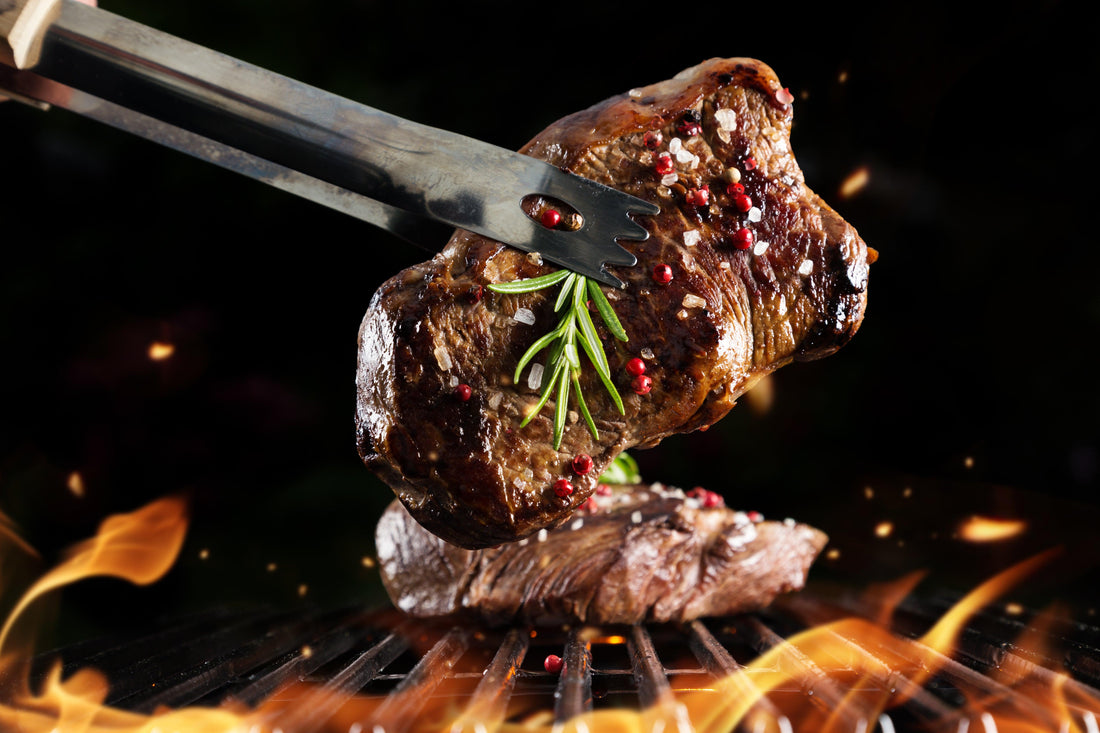
- Colour Change: The most direct effect of the Maillard reaction is changing the colour of the steak. Originally pale meat gradually turns into an attractive golden brown after high-temperature searing. This not only improves visual appeal but is also a sign of deliciousness.
- Flavour Formation: The irresistible aroma produced when searing steak is largely attributed to flavour compounds generated by the Maillard reaction. These compounds include various types of aromatic compounds, which work together to create unique toasted notes and complex layers of taste.
- Texture Improvement: Through the Maillard reaction, a slight crispiness forms on the surface of the steak. This adds textural contrast to the steak, creating a sharp contrast between the soft tender meat and the crispy outer layer, enhancing the eating experience.
How to Maximize the Effect of the Maillard Reaction 🔥
- Control the Heat: High temperature promotes the Maillard reaction, but excessively high temperature may cause the steak's exterior to char too much. It is recommended to use medium-high heat and watch the steak's changes to avoid overcooking.
- Choose the Right Fat: Using fats that can withstand high temperatures (such as sunflower oil or butter) can provide a higher cooking temperature without burning, helping the Maillard reaction proceed.
- Don't Flip Too Early: Give the steak enough time to form a perfect golden brown exterior on each side, ensuring maximum flavour.
By understanding the scientific principles of the Maillard reaction during the searing of steaks, you can not only improve your cooking skills but also impart deeper layers of flavour and enjoyment to every dish the next time you cook steak. This is not only a respect for the ingredients but also a tribute to the art of cooking. Enjoy every culinary journey and let the fusion of science and gastronomy bring an unprecedented dining experience! 🍽️🎉