 Skip to content


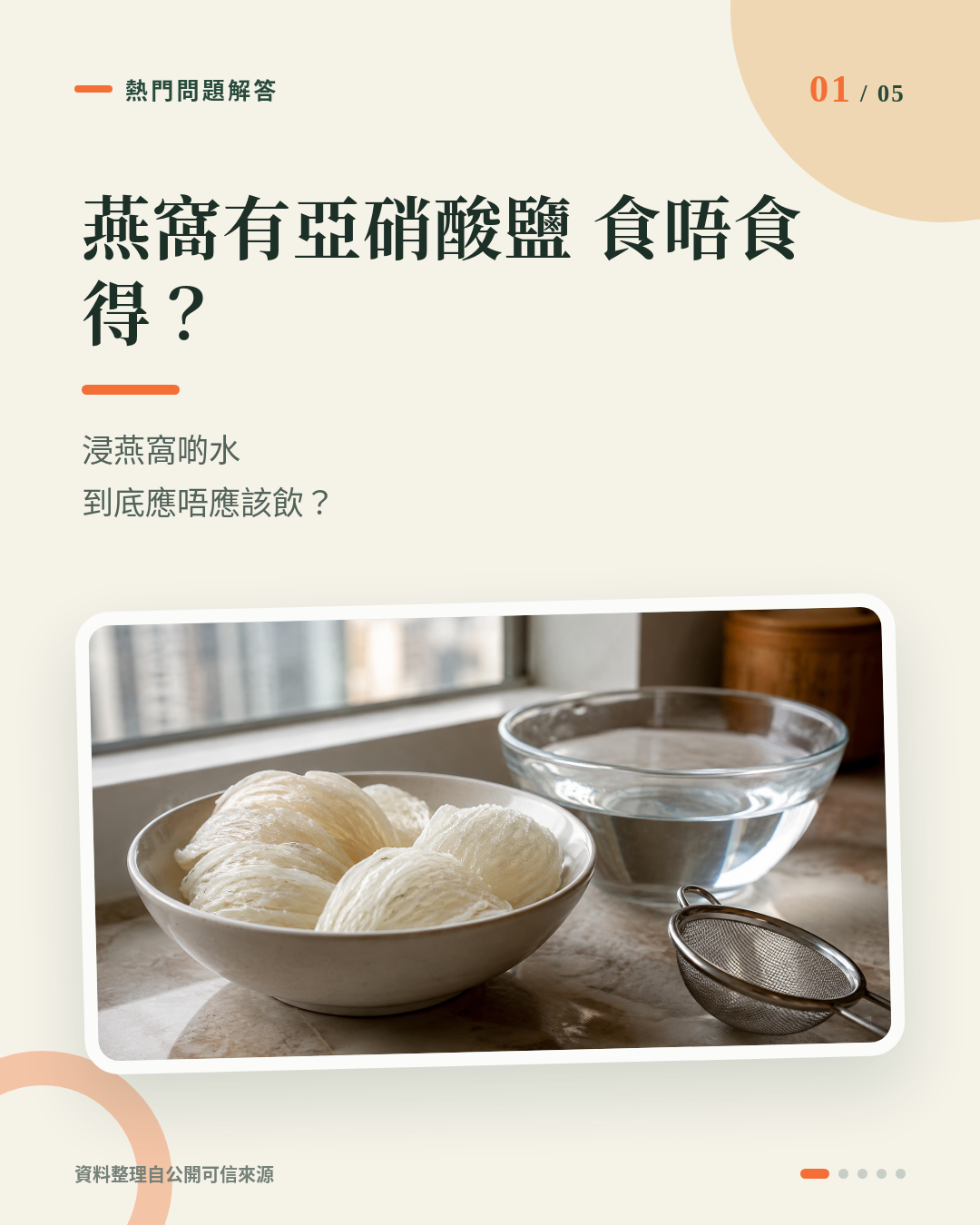
Does Bird's Nest Contain Nitrites? Is It Safe to Eat? Should You Drink the Water Used to Soak Bird's Nest?
Popular Questions Answered
Does Bird's Nest Contain Nitrites? Is It Safe to Eat? Should You Drink the Water Used to Soak Bird's Nest?
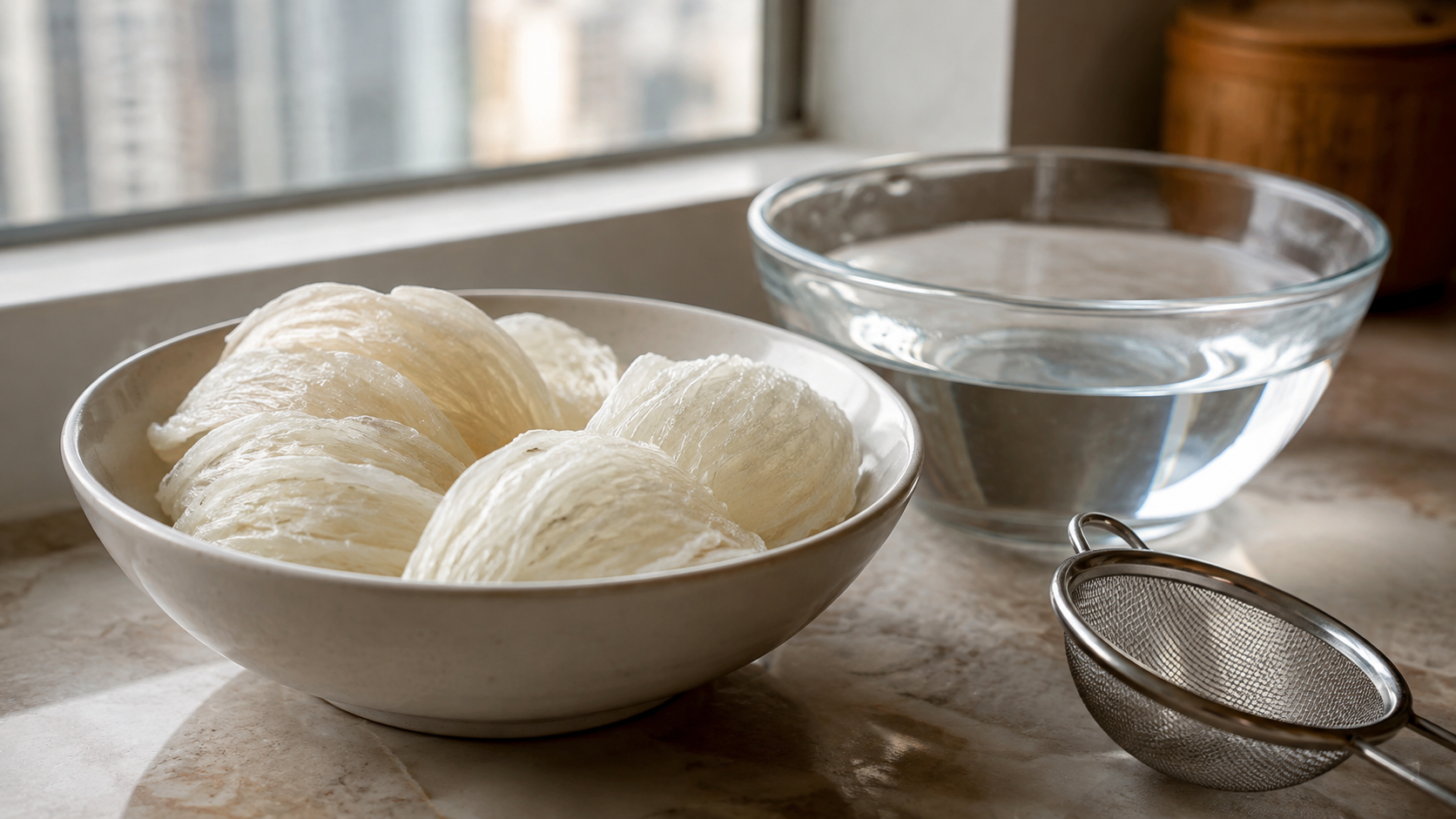
It is edible, but the key is proper handling, not pursuing 'zero nitrites'. The Centre for Food Safety of Hong Kong points out that bird's nest can naturally contain nitrites; thoroughly cleaning and soaking dried bird's nest for several hours can remove a large amount of nitrites, changing the soaking water one to two times during the soaking period and discarding the soaking water. Therefore, the water used for soaking bird's nest is not recommended for drinking and should be discarded before stewing. Generally, eating bird's nest that has been thoroughly cleaned, soaked and stewed poses little risk of adverse health effects. Infants should not eat bird's nest.
Illustrated Key Points
Questions like 'Bird's nest has nitrites, does that mean it's unsafe?' and 'Is the water used for soaking bird's nest nutritious, should I drink it?' are food safety questions many people ask after buying bird's nest. In fact, the Centre for Food Safety of Hong Kong has long pointed out that nitrites can exist naturally in bird's nest and are not equivalent to artificial additives. What is truly worth noting is the handling method: cleaning, soaking, changing water, and then stewing according to supplier or packaging instructions is a more reliable approach.
1. Bird's nest contains nitrites; does this mean it is unsafe to eat?
Not necessarily. The Centre for Food Safety (CFS) points out that bird's nest can naturally contain nitrites, and internationally there is no consistent reference or regulatory standard for nitrite levels in bird's nest. Hong Kong does not allow the addition of nitrites to bird's nest, but naturally occurring nitrites are a different matter. Government data indicates that after thorough washing, soaking, and stewing, the risk of bird's nest having an adverse effect on health is generally low.
- "Naturally contains" does not equal "definitely unsafe".
- The Centre for Food Safety points out that nitrites should not be added to bird's nest.
- The method of handling is an important part of reducing intake.
2. Why do you need to change water when soaking bird's nest? Should the soaking water be drunk?
The answer is: it is not recommended to drink it; it should be discarded. Nitrite is water-soluble. The Centre for Food Safety in Hong Kong notes that thoroughly washing and soaking bird's nest for several hours can remove a significant amount of nitrite, up to over 90%; however, the dissolved nitrite enters the soaking water. Therefore, the water should be changed one to two times during soaking, and the final soaking water should be discarded before processing and stewing according to the supplier's or packaging instructions.
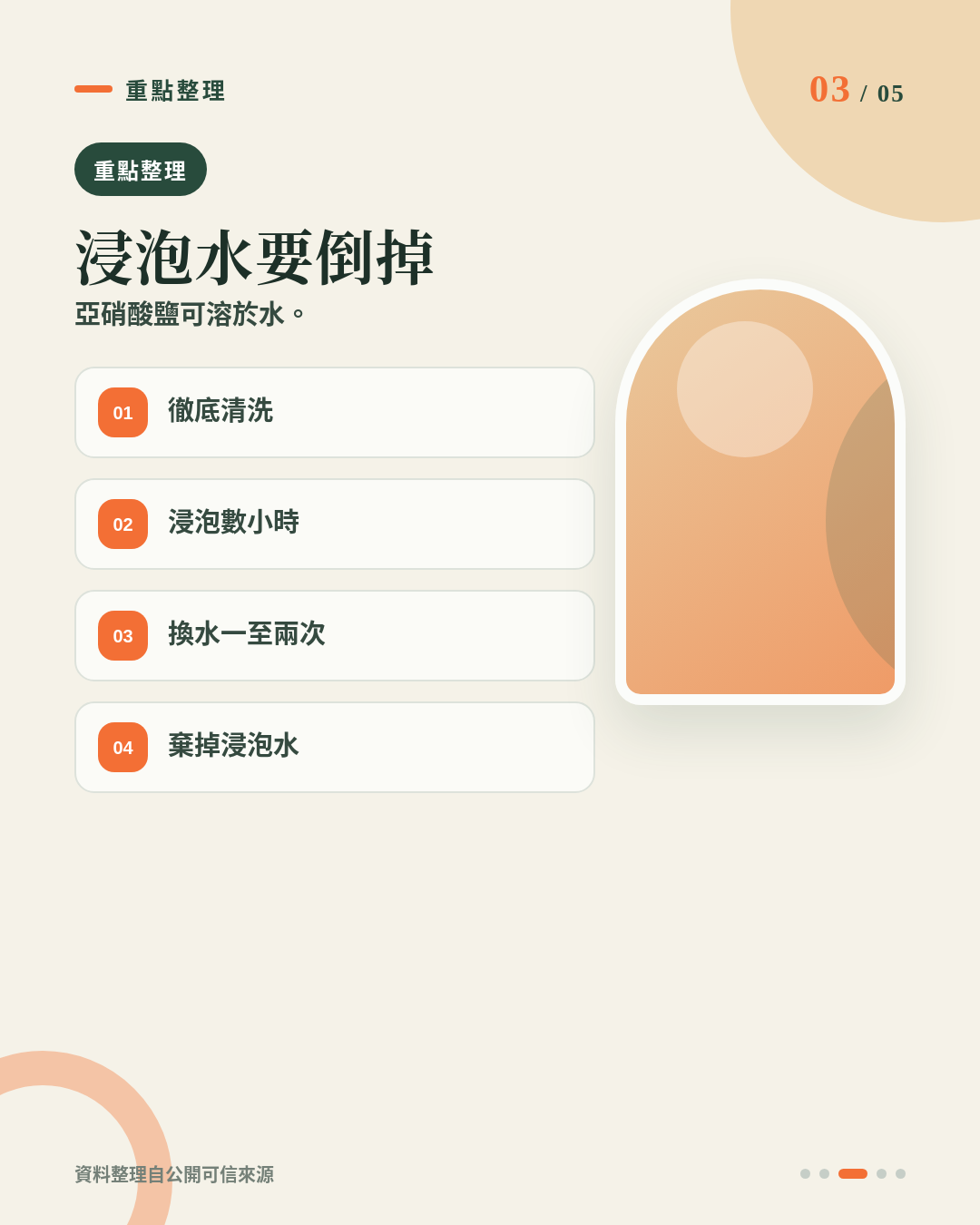
- Thoroughly wash the dried bird's nest first.
- Soak for several hours, changing the water one to two times during the process.
- Discard the soaking water directly; do not use it for drinking or stewing.
3. What is the safest way to soak bird's nest?
When processing dried bird's nest at home, you can understand the CFS's recommendations as a simple process: wash first, then soak, change water during the process, and finally discard the soaking water, then stew according to the product packaging or instructions from a reliable supplier. The processing methods for different bird's nest products may vary, so if the packaging has clear instructions, those should take priority.
- ① Thoroughly wash the dried bird's nest.
- ② Soak for several hours, changing the water one to two times during the process.
- ③ Discard all soaking water.
- ④ Stew according to packaging or supplier instructions.
4. Three common misconceptions: Does having nitrites mean it cannot be eaten? Should the soaking water be drunk if it smells strongly of bird's nest?
The most common misunderstanding is equating "nitrites detected" directly with "bird's nest is unsafe". In fact, the Centre for Food Safety points out that bird's nest can naturally contain nitrites; the key is proper washing and soaking. Another misconception is feeling that soaking water with the smell of bird's nest means it should be drunk because discarding it is a waste; however, since nitrites dissolve into the soaking water, official advice is exactly to discard the soaking water. Finally, do not assume that the same processing method works for all bird's nest products; you should first check the product instructions.
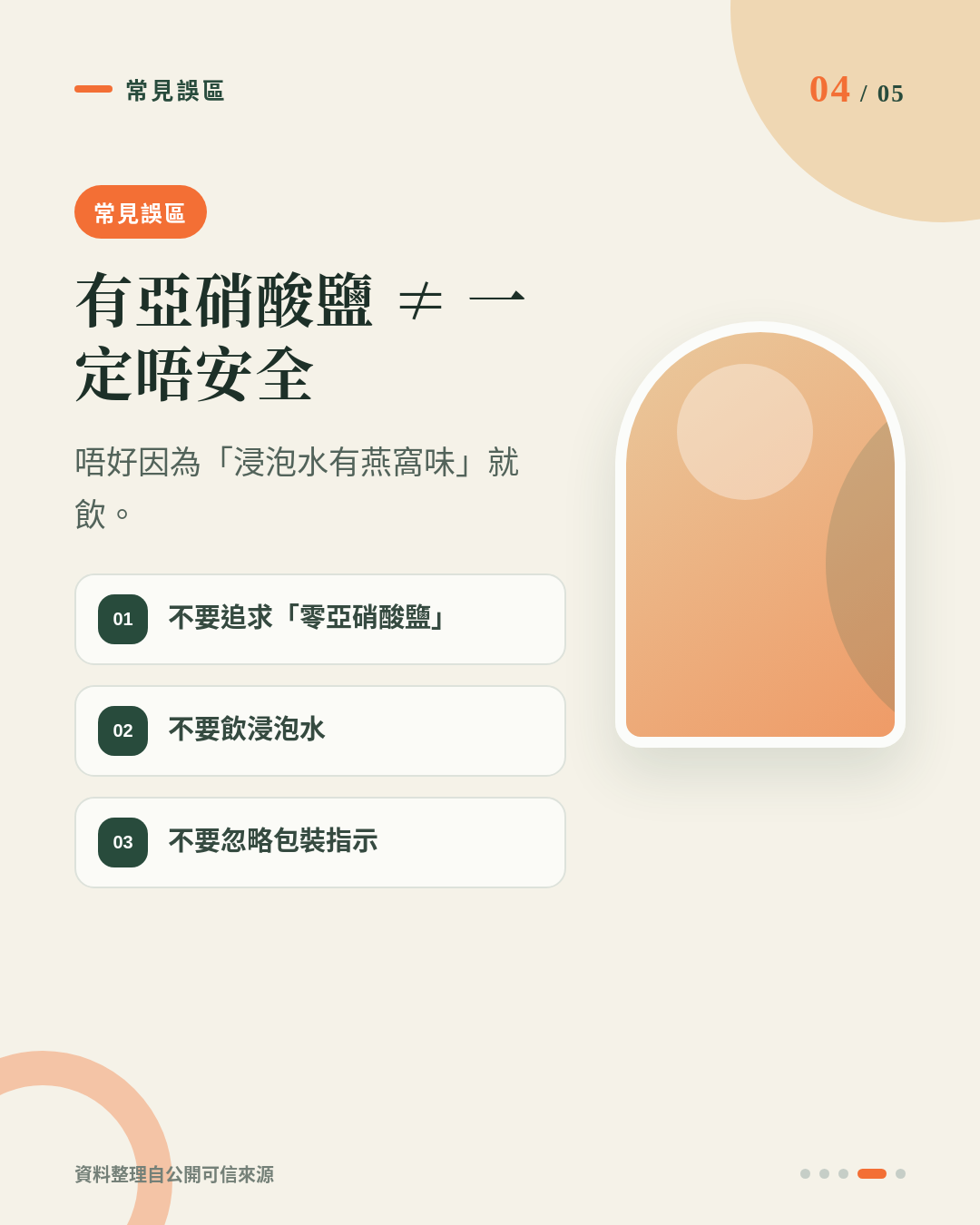
- Misconception 1: 'Contains nitrite' = 'Absolutely cannot be eaten'; the two cannot be directly equated.
- Misconception 2: 'Soaking water tastes like bird's nest' = 'Should be drunk'; the Centre for Food Safety recommends discarding the soaking water.
- Misconception 3: 'All bird's nest preparation methods are the same'; follow the instructions on the packaging and from reliable suppliers.
5. When buying bird's nest, how should ordinary households judge?
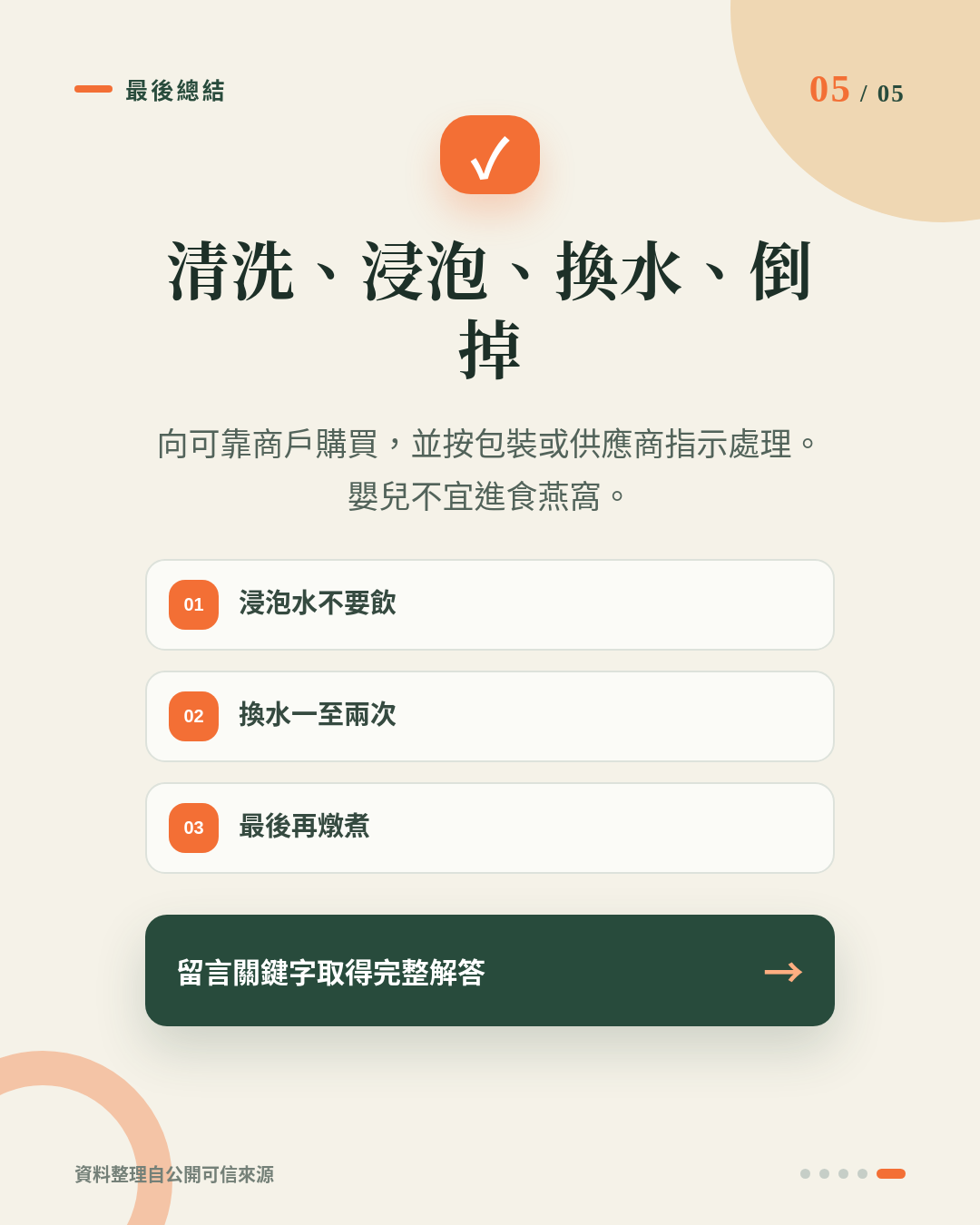
Regarding food safety, first purchase from a reliable merchant and pay attention to the product packaging and preparation instructions. Do not judge the level of food safety based solely on appearance, price, or claims such as "natural" or "health preservation". For an ordinary household, a more practical approach is to choose products with clear sources and complete labeling, then wash and soak at home according to instructions, discard the soaking water, and then stew. Infants should not eat bird's nest.
- Prioritize choosing reliable merchants and products with clear sources.
- Check the storage and preparation instructions on the packaging.
- Do not use "soaking water is very nutritious" as a reason to keep the soaking water.
- Infants should not eat bird's nest.
How to choose an entry-level bird's nest?
If you are currently selecting bird's nest for daily family use, you can compare based on budget, eating habits, product form, and processing methods on the packaging. Affordable Bird's Nest Cakes | Entry-level White Bird's Nest | A choice for daily family health preservation can be one of the options; but regardless of which one you choose, whether the product itself contains nitrites cannot be judged by the name alone. Actual processing should still follow packaging and reliable supplier instructions, and remember to discard the soaking water.
- Related products: Affordable Bird's Nest Cakes
- Product type: Frozen food
- After purchasing, you should still process according to packaging instructions and should not replace food safety judgment with the product name.
Frequently Asked Questions
Bird's nest has nitrites, can it still be eaten?
The Centre for Food Safety points out that bird's nest can naturally contain nitrites; after thorough washing, soaking, and stewing, the risk of having an adverse effect on health is generally low. The key is proper handling, not claiming that bird's nest is completely free of nitrites.
Can the water used to soak bird's nest be drunk?
It is not recommended. Nitrites are soluble in water. The Centre for Food Safety advises changing the water one to two times during the soaking period and discarding the soaking water.
How long should bird's nest be soaked?
The CFS's recommendation is to soak for several hours; the actual time should still refer to the preparation instructions on the product packaging or from a reliable supplier.
Can babies eat bird's nest?
The Centre for Food Safety clearly advises that infants should not eat bird's nest.