 Skip to content


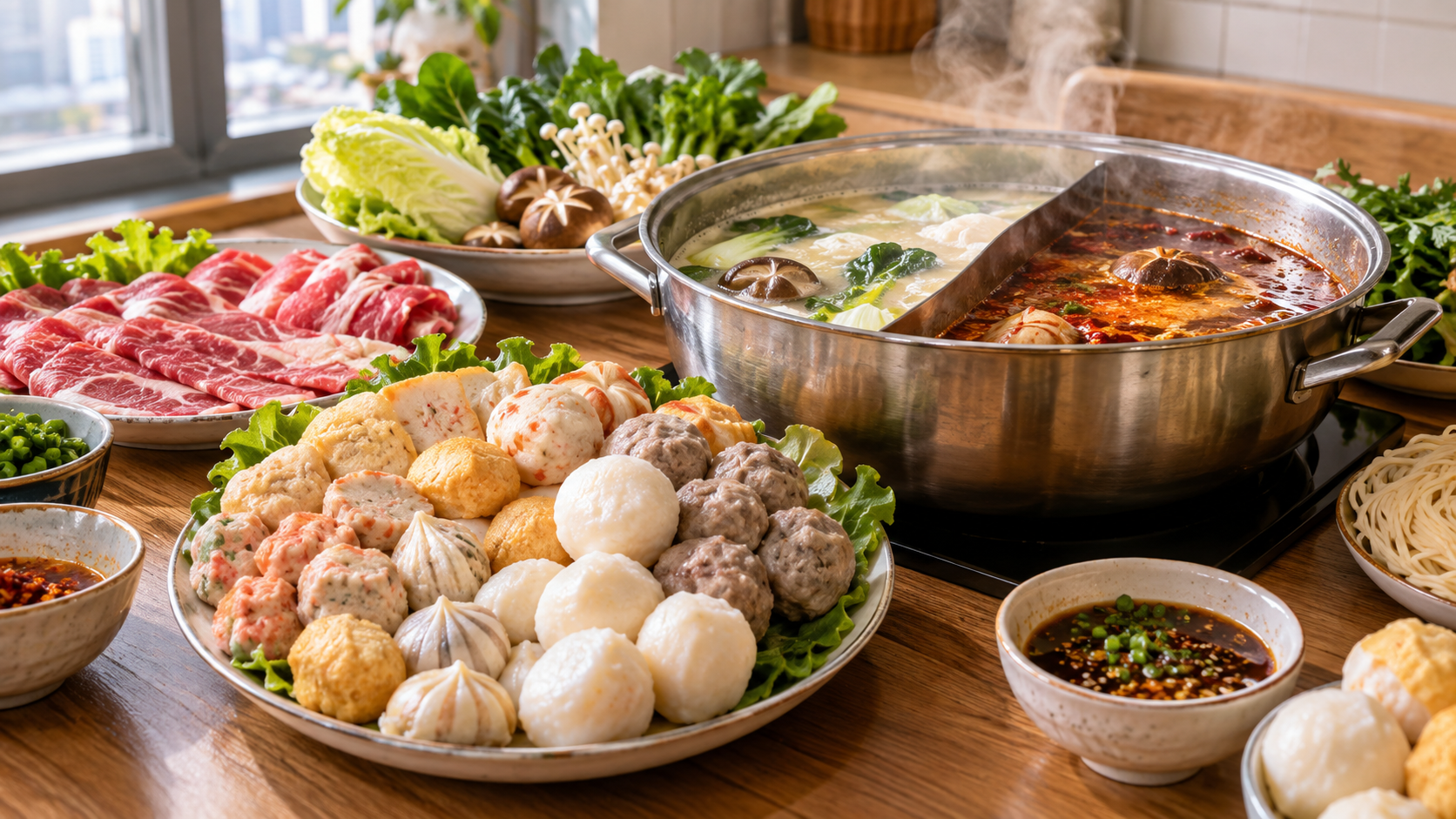
How to choose Hot Pot Meatballs for fitness and fat loss? Compare protein and fat in Cheese Balls, Gong Balls, and Beef Tendon Balls; don't just look at the word 'ball'
Popular Questions and Answers
How should you view mixed hotpot meatballs when fitness and fat loss are your goals? Compare the protein and fat in cheese balls, pork balls, and beef tendon balls; do not just look at the word 'ball'.
When eating mixed hotpot meatballs during a fitness and fat-loss period, the focus should not be on whether the name is cheese ball, beef tendon ball, or lobster ball, but on the packaging nutrition label, ingredients, and actual serving size. Different types of balls can have significant differences in protein, fat, calories, and sodium content due to varying meat ratios, cheese, or other ingredients. Since mixed meatball products are randomly assorted, a single figure cannot represent the entire pack; it is best to calculate based on the actual packaging data.
Key Points Illustrated
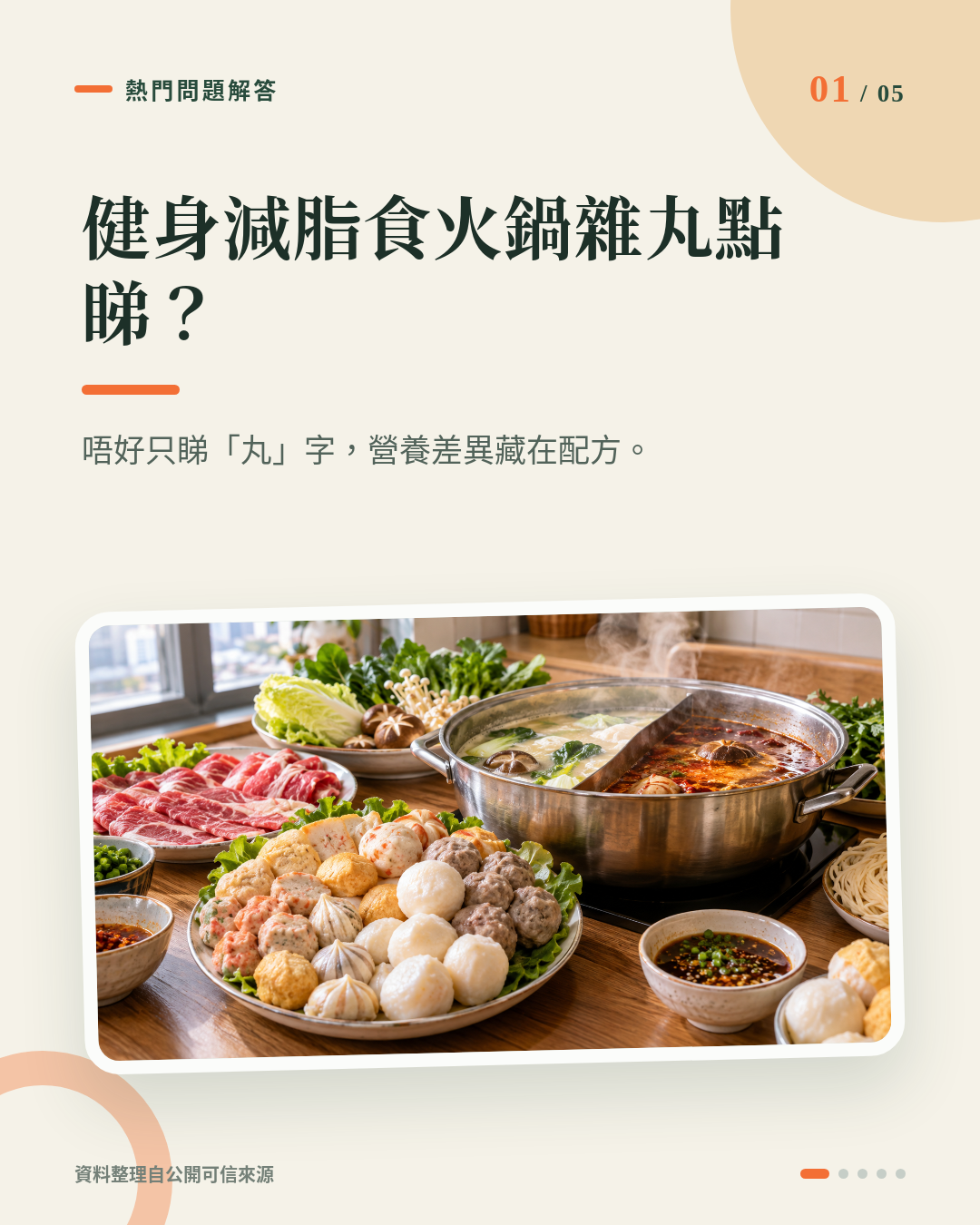

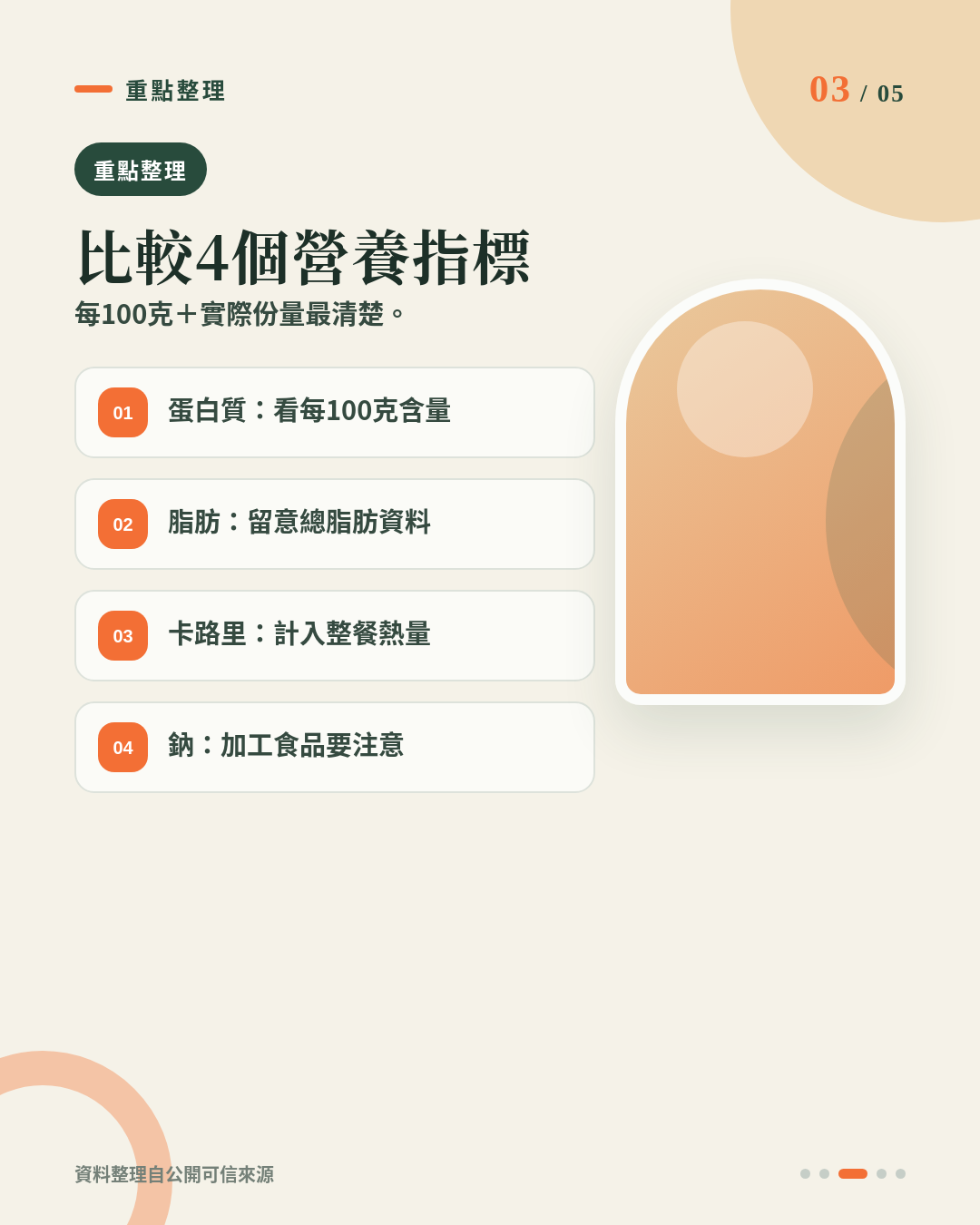
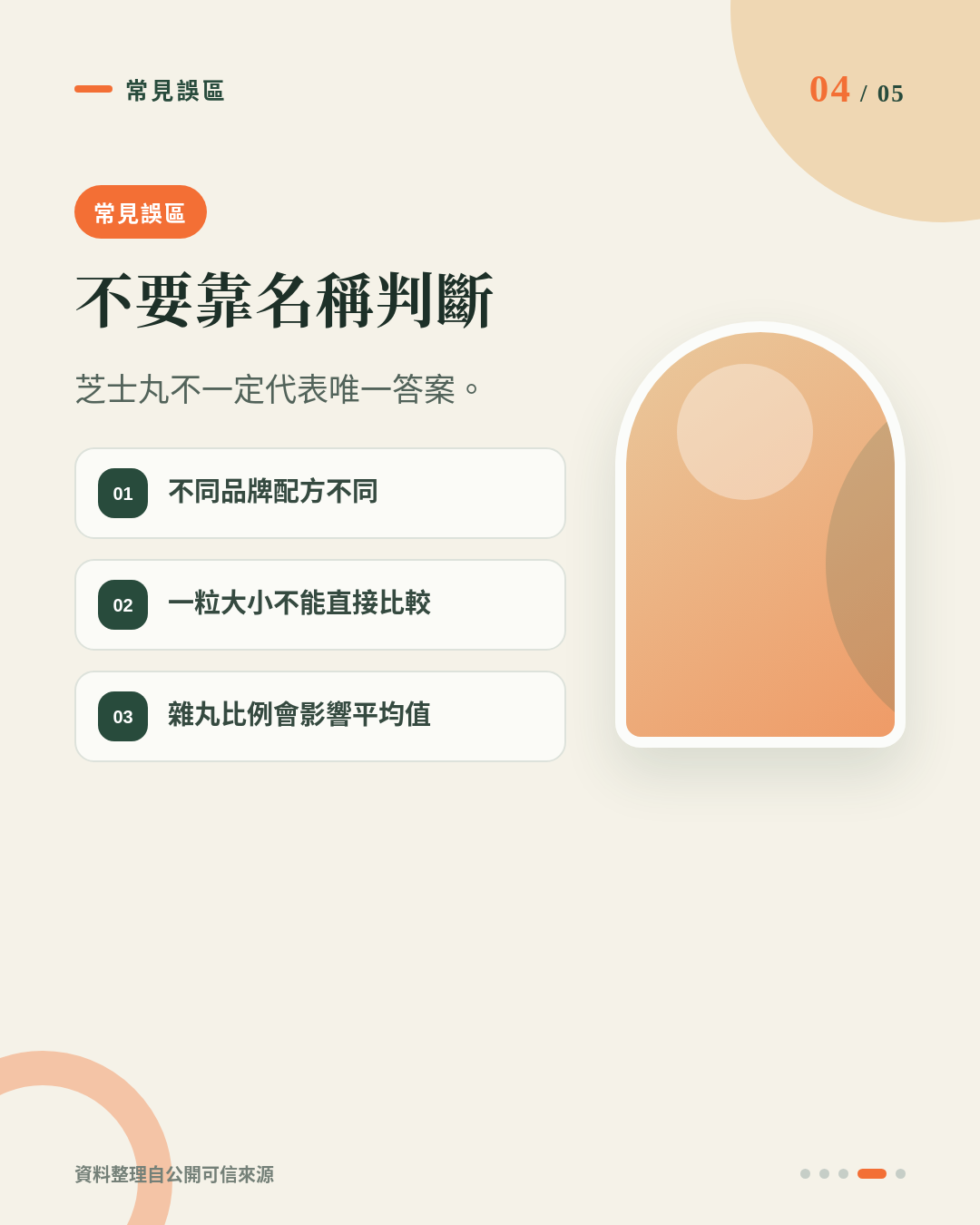

Mixed hotpot meatballs are convenient and easy to cook, and are a frozen food option considered by many fitness enthusiasts for Meal Prep or dietary control. However, 'ball' does not necessarily mean low fat or high protein. Processed foods such as cheese balls, shiitake pork balls, beef tendon balls, lobster balls, and roe balls can be composed of fish paste, meat, fat, starch, cheese, or seasonings, so nutritional performance cannot be judged by name alone. For those bulking, strength training, losing fat, or controlling calories, when comparing mixed hotpot meatballs, you should prioritise the nutritional data per 100 grams and then convert it based on your actual serving size. Tests by the Consumer Council in Hong Kong have also pointed out that there are differences in sodium and fat content among different meatball products, so attention to nutrition labels is necessary when purchasing processed meatballs.
1. Nutritional differences in different hotpot meatballs come from the recipe, not the name
Even if they are all called 'balls', the main raw materials can be completely different. For example, pork balls are usually meat-based processed products, fish balls may be primarily fish paste, and cheese balls, with the addition of cheese filling, may have altered sources of fat and calories. The texture of beef tendon balls is also related to the meat ratio and processing method. Therefore, when comparing, you should start with the ingredient list and nutrition label, rather than assuming that a certain type of ball is definitely healthier.
- Cheese balls: Note the fat and calories contributed by the cheese filling.
- Shiitake pork balls: Nutrition is affected by meat ratio, oil, and seasoning.
- Beef tendon balls: The name does not directly represent protein content.
- Lobster balls, roe balls: Seafood-flavoured products are still processed meatballs; check the actual recipe.
2. How should fitness enthusiasts compare protein, fat, calories, and sodium?
When comparing mixed meatballs, it is recommended to use per 100 grams as the baseline first, then convert based on how many balls you eat in one meal. The weight of each ball varies, so comparing only 'one ball' can easily lead to misjudgment. Current relevant products are randomly assorted mixed hotpot meatballs, and independent nutritional data for each type of ball is not provided. Therefore, it is not possible to accurately list the protein, fat, calories, and sodium content per 100 grams for cheese balls, pork balls, beef tendon balls, etc. Actual figures should be based on the nutrition label and ingredient data on the purchased packaging.
- Protein: Look at the grams of protein per 100 grams, not just the meat name.
- Fat: Pay attention to total fat and saturated fat data.
- Calories: During fat loss, you need to calculate the total calories of the meal, not just look at one type of ball.
- Sodium: Processed hotpot foods often require special attention to sodium content.
3. For fat loss with mixed hotpot meatballs, portion control is more important than complete abstinence
Hotpot itself can have different combinations, but processed foods can easily increase calorie and sodium intake without you noticing. Besides the type of meatballs, the soup base, sauces, and other ingredients also affect the nutrition of the entire meal. If the goal is fat loss, you can view mixed meatballs as part of the hotpot, combined with higher protein sources, vegetables, and portion sizes that fit your calorie goals.
- Decide your protein target for a meal first, then arrange the meatball portion.
- Avoid eating large amounts of processed meatballs to replace other protein sources.
- Hotpot soup bases and sauces should also be included in overall dietary considerations.
4. How to check food safety data when purchasing and storing mixed hotpot meatballs?
Frozen foods should be handled according to the storage methods and cooking instructions on the packaging. When purchasing, you can check the ingredient list, nutrition label, consumption deadline, and storage requirements. Since mixed meatball products may contain different types of balls, the actual content will depend on the product data; do not calculate the nutrition of the entire pack on your own.
- Store frozen as indicated on the packaging.
- Heat thoroughly before consumption according to product instructions.
- Calculate nutrition based on actual packaging data, not by applying figures from other brands.
Frequently Asked Questions
Can I eat mixed hotpot meatballs for fitness and fat loss?
Yes, depending on your overall dietary arrangement. The key is to control portions and check the product nutrition label to understand protein, fat, calories, and sodium content.
Are cheese balls definitely higher in fat than other balls?
It cannot be generalised. Cheese balls may have increased fat sources due to the addition of cheese, but actual figures still depend on the product recipe and nutrition label.
Can a mixed meatball pack be calculated with a single nutritional figure?
Not recommended. The ratio of different meatballs affects the average nutrition of the whole pack, especially for randomly assorted products, which should be based on actual packaging data.