 Skip to content
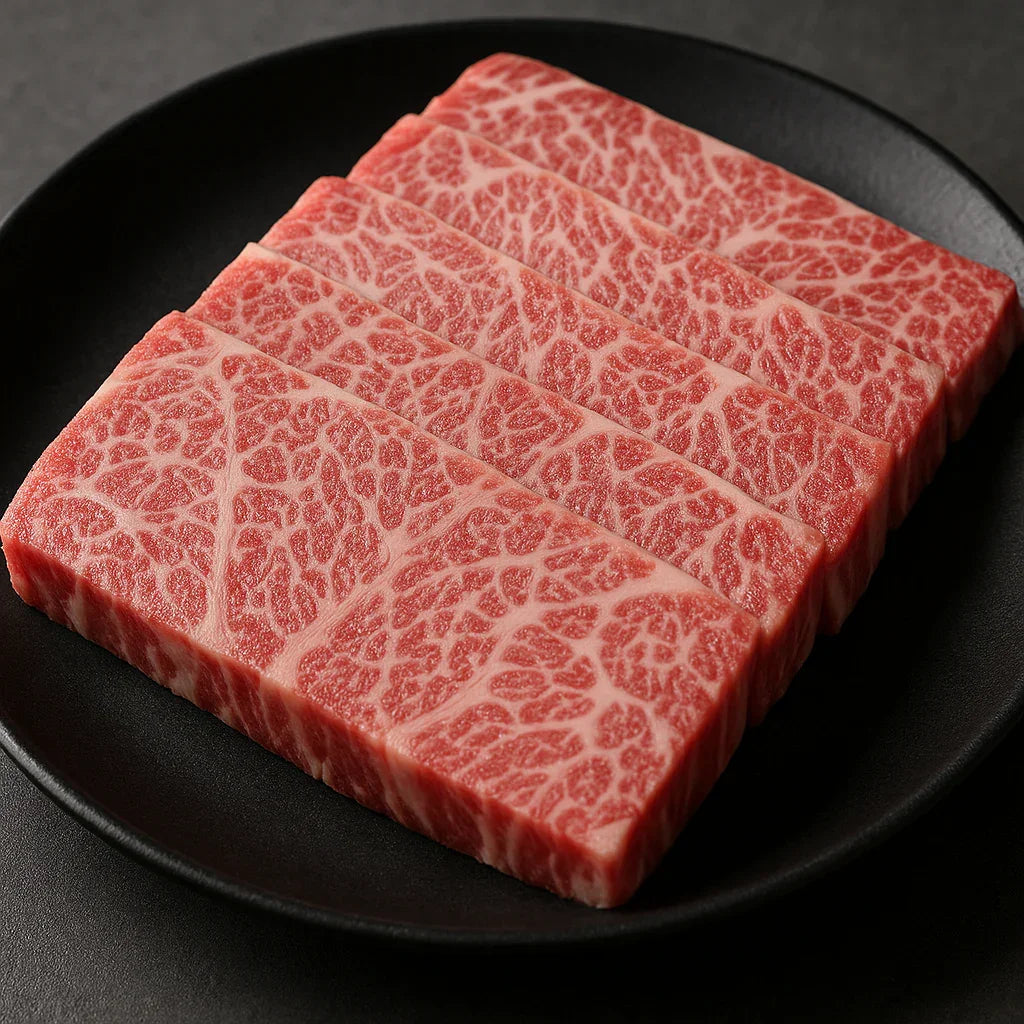

Korean Pan-Fried Fatty Beef with Scallion Strips
Korean cuisine · 20 minutes · Serves 2 to 3
Korean-style pan-fried beef brisket with shredded spring onions
This beef roll is actually thinly sliced beef brisket, which corresponds to the direction of Korean BBQ chadol (차돌박이). Unlike Korean grilled beef marinated in a sweet-savory sauce, chadol is usually not marinated; the focus is on using the natural fat aroma of the thinly sliced beef brisket, quickly pan-frying it at high heat to create slightly charred edges, then dipping it in sesame oil, salt, and black pepper, or wrapping it in lettuce and Korean-style shredded spring onions. Since the product itself is quite fatty, we deliberately did not add a large amount of extra oil or use a heavy sweet sauce, allowing the beef's fat aroma to be the star; the shredded spring onions are seasoned with rice vinegar, a small amount of Korean chili powder, and sesame oil, retaining the characteristics of Korean home-style BBQ while being more suitable for Hong Kong family tastes.
Quick Answer
This original-cut beef brisket thin slice is best suited for Korean-style chadol (차돌박이) style: relying not on a thick sweet sauce, but first quickly pan-frying the beef on a high-heat pan surface to bring out the aroma, then serving it with Korean-style shredded spring onion salad, sesame oil and salt dipping sauce, and lettuce wraps. If the product is still frozen, follow the packaging instructions for handling; if the packaging has no specific requirements, it is recommended to thaw in the refrigerator, not at room temperature. When pan-frying the beef, add in batches in a single layer, about 30 to 60 seconds per side, and remove immediately when the edges curl up and the beef has completely changed color. Safe handling of raw beef should still be based on packaging instructions and a food thermometer; if applicable to original-cut beef, the center should reach at least 63°C and rest for 3 minutes.
Ingredients
- Thinly sliced beef brisket roll 400g
- Lettuce 1 head
- Spring onions 4 to 5 stalks
- Sesame oil 2 tablespoons
- Salt 1/2 teaspoon
- Black pepper a little
- Rice vinegar 1 tablespoon
- Korean chili powder 1/2 teaspoon
- White sesame seeds 1 teaspoon
- Korean soybean paste or rice wrapping sauce 2 tablespoons
- Garlic 2 cloves, sliced thinly
- Cooking oil a little, depending on the beef's oil output
Method
-
1. Safe thawing and preparation of beef
If the beef is still frozen, first follow the thawing and heating instructions on the packaging; if there are no specific instructions, place it in the refrigerator to thaw, never at room temperature. After thawing, keep it at a low temperature, separate the slices just before pan-frying, and gently blot the surface moisture with kitchen paper.
-
2. Make Korean-style shredded spring onions
Cut the spring onions into fine shreds along their length, soak in ice water for about 5 to 10 minutes to make the shreds crisp and reduce the pungency, then drain thoroughly. Add rice vinegar, sesame oil, Korean chili powder, white sesame seeds, and a pinch of salt, mix gently, and set aside.
-
3. Prepare a simple dipping sauce
Mix 1 tablespoon of sesame oil, 1/4 teaspoon of salt, and a little black pepper to make a sesame oil and salt dipping sauce; separately prepare Korean soybean paste or rice wrapping sauce. Both of these eating methods are intended to highlight the beef's own fat aroma, rather than covering the meat flavor with a large amount of sauce.
-
4. Heat the pan
Use a heavy-bottomed flat pan or cast iron pan, preheat over medium-high to high heat for about 2 to 3 minutes. Only add the meat once the pan surface is hot enough; since beef brisket itself is rich in fat, do not add oil first, and only add a very small amount of cooking oil if the pan surface is completely non-stick.
-
5. Pan-fry quickly in batches
Lay the beef slices flat, do not overlap, and only add enough per batch to maintain a single layer. About 30 to 60 seconds per side, flip when the fat sizzles quickly, the edges start to curl up, and a golden-brown char appears. If too much oil accumulates in the pan, carefully pour off some of the oil and continue.
-
6. Use doneness rather than time for the final judgment
Thin slices cook quickly; as soon as you see the beef turn from red to fully cooked with no raw areas, remove it immediately to avoid pan-frying for a long time until it becomes dry and hard. If using a food thermometer, follow the safety standards applicable to original-cut beef, with the center reaching at least 63°C and resting for 3 minutes; if the product packaging has more specific requirements, the packaging takes precedence.
-
7. Serve with Korean-style lettuce wraps
Wash and drain the lettuce, take a lettuce leaf, place the pan-fried beef, a small amount of shredded spring onions, garlic slices, and a bit of Korean soybean paste on it, wrap it up and eat immediately; it can also be eaten directly with the sesame oil and salt dipping sauce. The pan-fried beef should be enjoyed while hot for the best texture.
Frequently Asked Questions
Can the beef roll be used directly for Korean-style chadol?
Yes, as long as the actual ingredient is thinly sliced beef brisket. The key to chadol is precisely thinly sliced beef brisket and high-heat quick grilling, and it generally does not need to be marinated in sweet soy sauce first; this method actually better brings out the fat aroma of the fattier beef.
This beef roll is very fatty, do I need to add extra oil?
Usually not. Thinly sliced beef brisket releases fat quickly after being put in the pan, so preheating with a dry pan is sufficient; only add a very small amount of cooking oil if the pan surface tends to stick. If there is too much oil in the pan during pan-frying, you can carefully pour off some to avoid the beef becoming oil-soaked.
Is chili powder mandatory?
It is not mandatory. Traditional Korean-style shredded spring onion salad often includes Korean chili powder, but if Hong Kong families are afraid of spiciness, it can be reduced to 1/4 to 1/2 teaspoon, or even omitted, retaining the aroma of rice vinegar, sesame oil, and sesame seeds.
How should frozen beef be thawed?
First, follow the thawing method on the product packaging. If no specific method is specified, it can be thawed in the refrigerator; do not leave raw meat on a room-temperature countertop to thaw slowly. If thawing with cold water or a microwave, it should be cooked immediately after thawing.